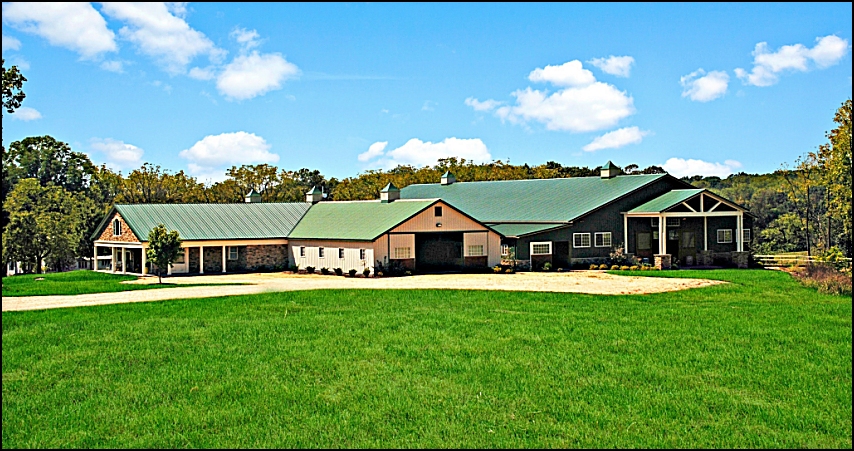
If you’re preparing to sell a horse farm or equestrian property in Central Virginia, the most important thing to understand is this: equestrian buyers do not evaluate property the same way traditional residential homebuyers do. Most buyers of horse farms will look at the land, barn quality, fencing, water, pastures, arena, and riding setup before they notice cosmetic finishes in the home.
That does not mean that the home doesn’t matter. It does. But for many horse property buyers, first the property must be safe and practical for their horses. A beautiful kitchen will rarely make up for poor pasture layout, overgrazed paddocks, unsafe fencing, or a barn that will require major repairs.
This creates a clear opportunity for savvy sellers. If you know what actually appeals to these buyers, you can focus on how they actually make decisions in order to prepare the property better, price it more accurately, and market it in a way that is targeted to attract the strongest buyers.
Why equestrian buyers think differently than traditional homebuyers
A typical residential buyer often starts with the house itself: layout, kitchen, bedrooms, updates, schools, and commute. Equestrian buyers are buying a home and a functioning horse property. Function will often outweigh finishes. That changes the decision-making process.
Most horse property buyers are considering questions like:
- Can this property support the number of horses I plan to keep?
- Is the layout safe and efficient?
- Will I need to spend a lot on fencing, drainage, or barn repairs?
- Is there enough usable land for turnout and riding?
- Do trailers have easy access?
- Does this setup suit my discipline, goals, and day-to-day management requirements?
Utility often outranks appearance. Buyers may accept an older home or barn if the property is well-maintained, functional, and set up correctly for their horses. On the other hand, an attractive property may struggle if the infrastructure for the horses is lacking.
The first things buyers notice when they arrive
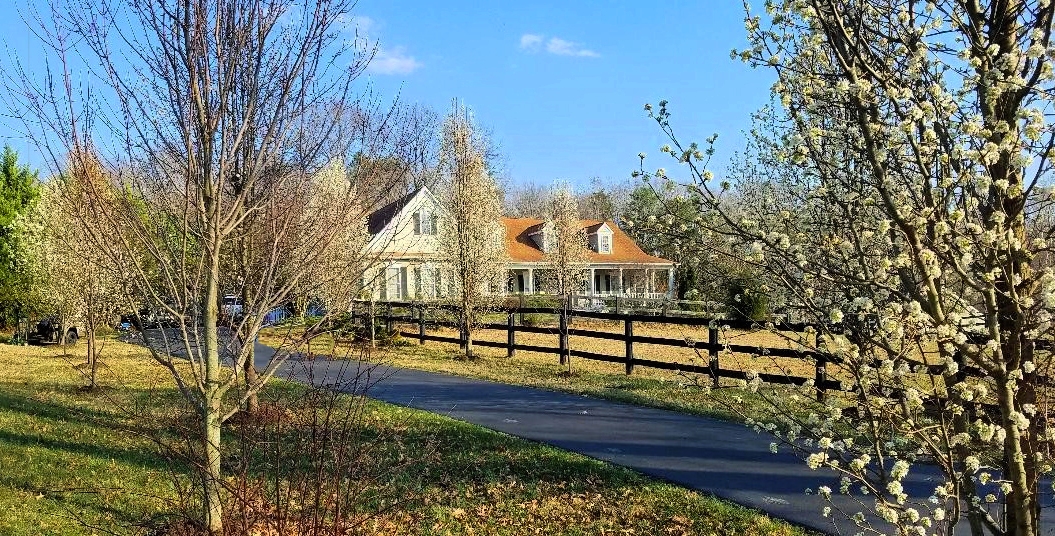
First impressions matter with any listing, but with horse properties, buyers start evaluating the moment they turn into the driveway.
Access and approach
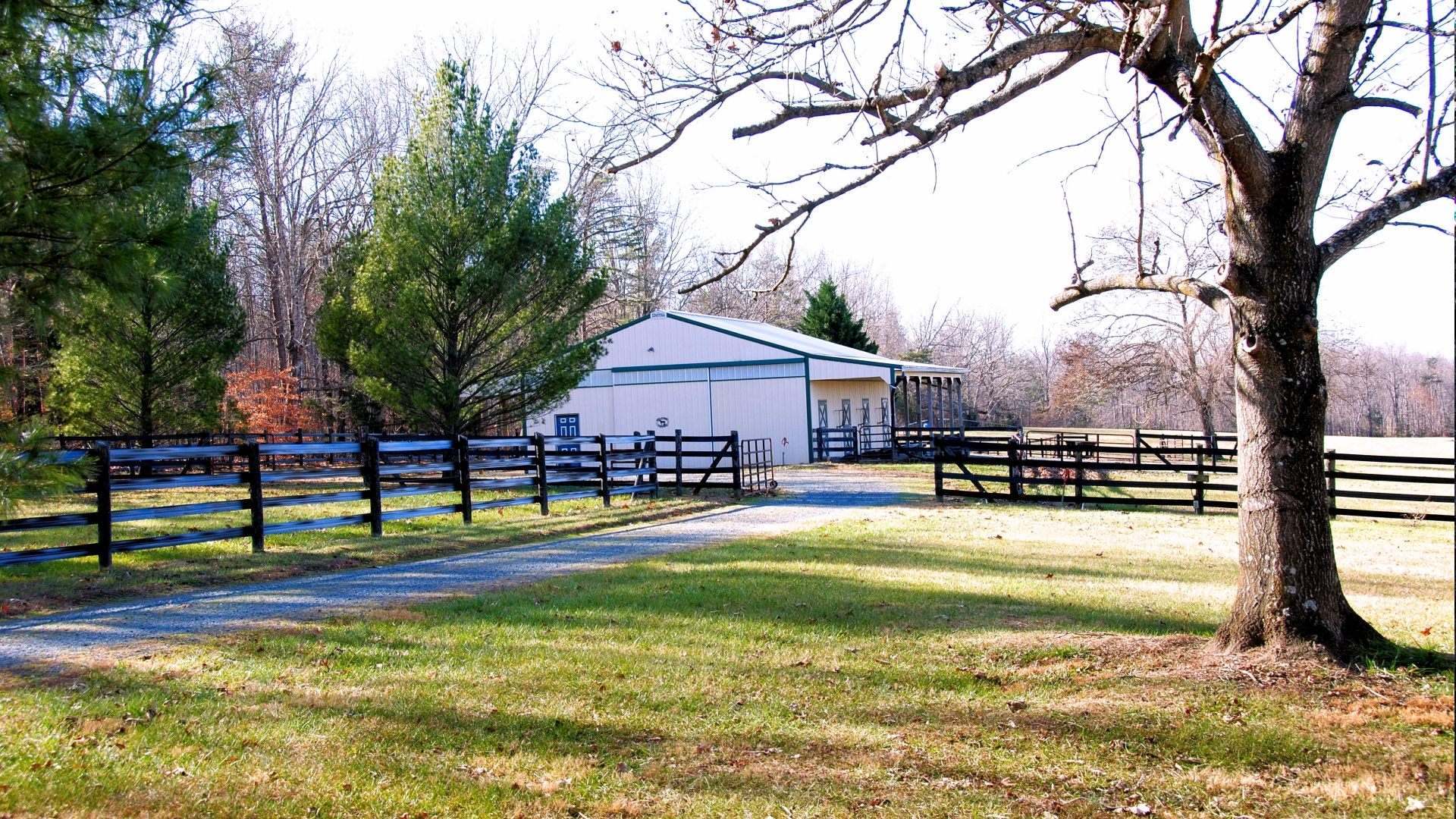
One of the first things horse property buyers notice is how easy the property is to access.
They are paying attention to:
- Road frontage
- Visibility from the road
- Driveway width
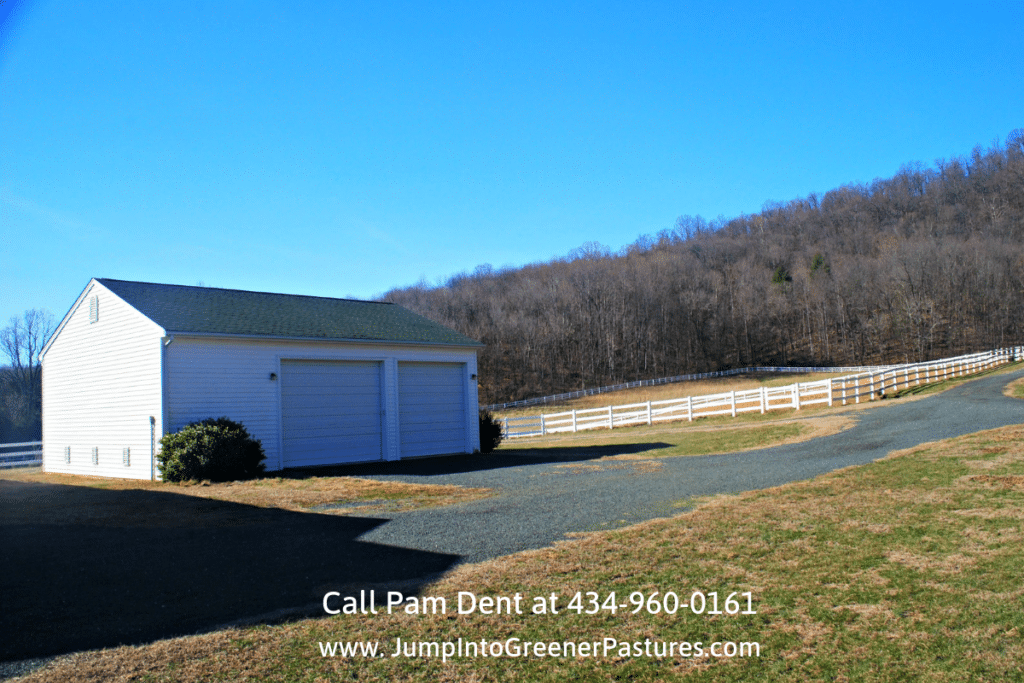
- Turning radius for trucks and trailers
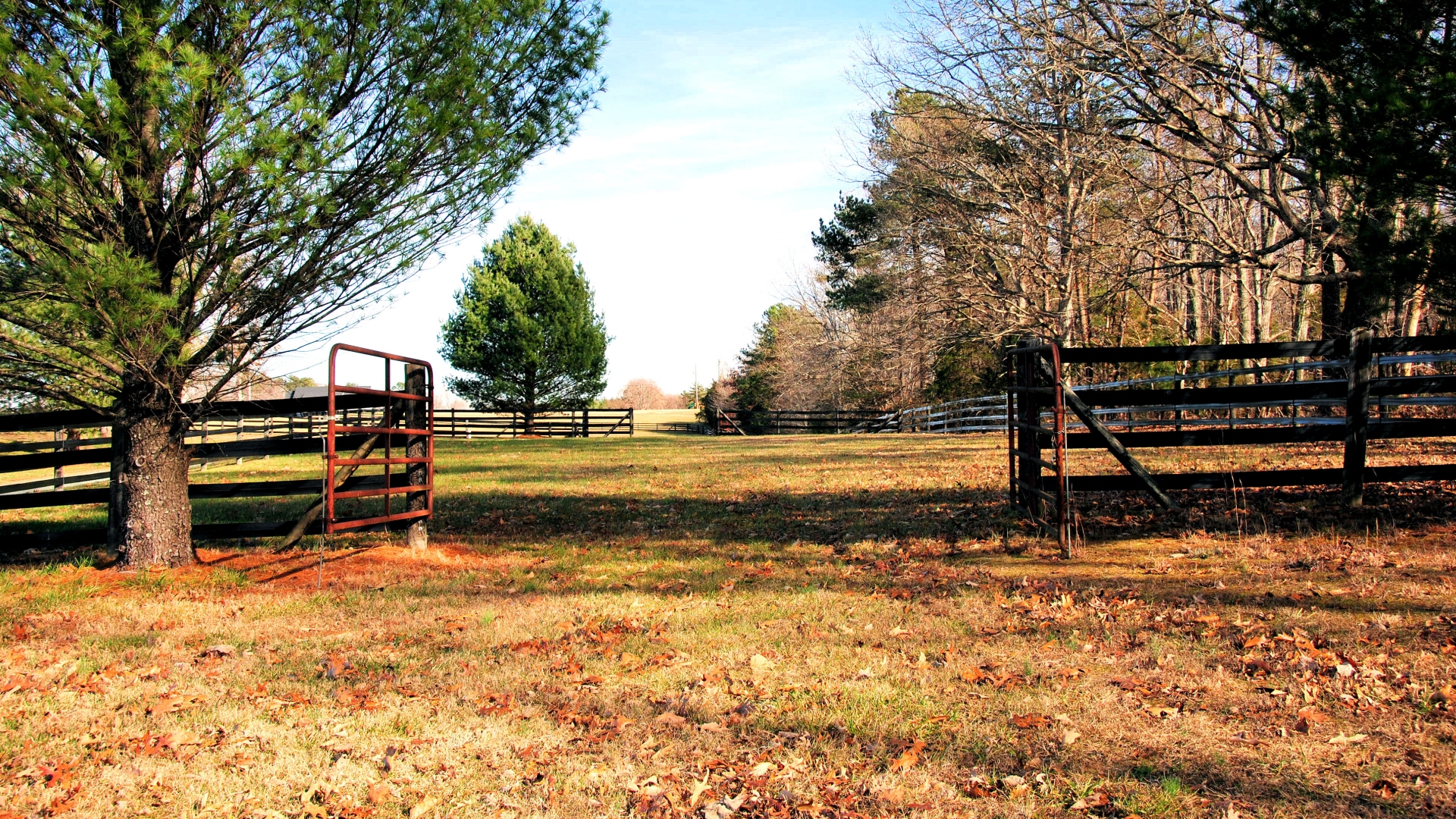
- Gate access
- Whether larger rigs can enter, park, and leave easily
Equestrian buyers will notice immediately if a property feels awkward for hauling. Even if they currently do not own a large trailer, they are considering future use, service providers, hay delivery, farrier visits, and vet calls.
First impression of the land
Buyers also immediately evaluate the property overall for signs of usability and maintenance.
They notice:
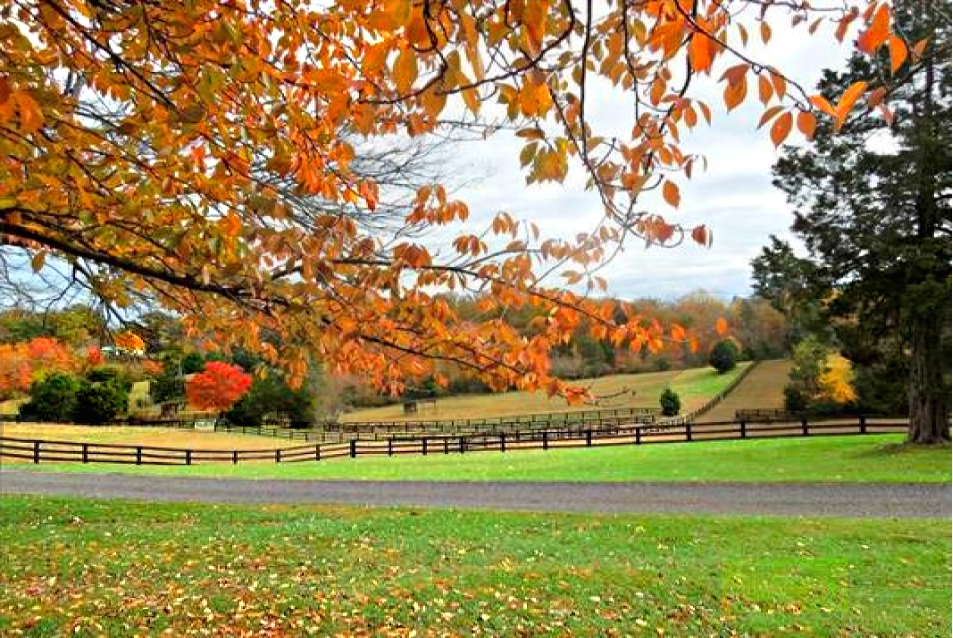
- Pasture condition
- Mud and bare spots
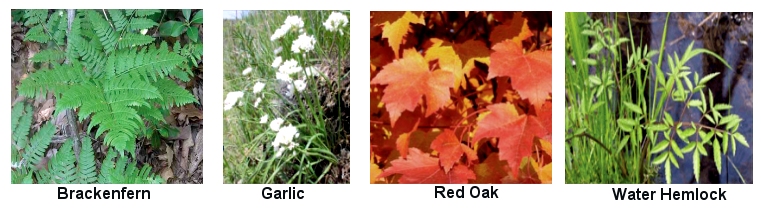
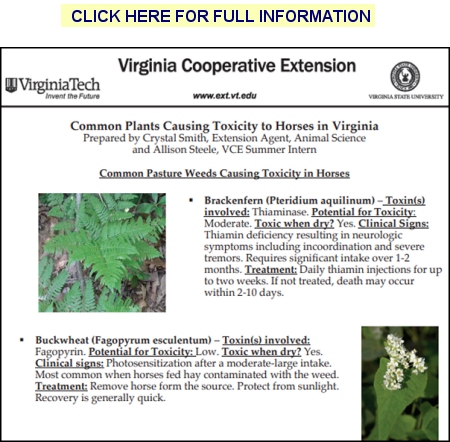
- Weed overgrowth
- Fence condition
- Types of pasture grasses
- Fence condition
- Water presence
- General cleanliness and neatness
When the overall property looks maintained, it suggests that the horse setup has been well cared for. A property that looks neglected with deferred maintenance raises the possibility of hidden costs.
Overall layout
Horse buyers think about how the property functions as a whole.
They are looking at the relationship between:
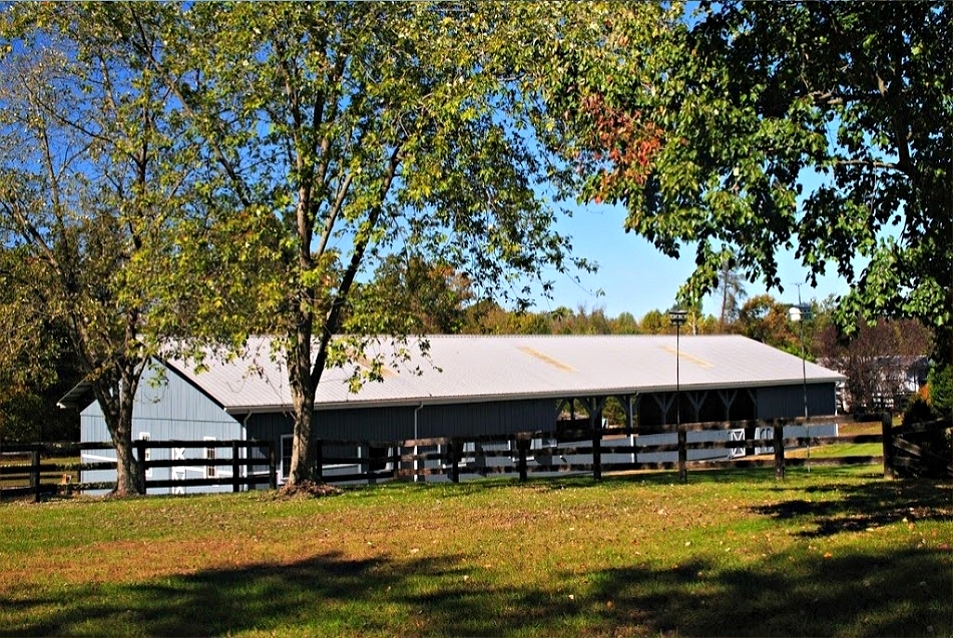
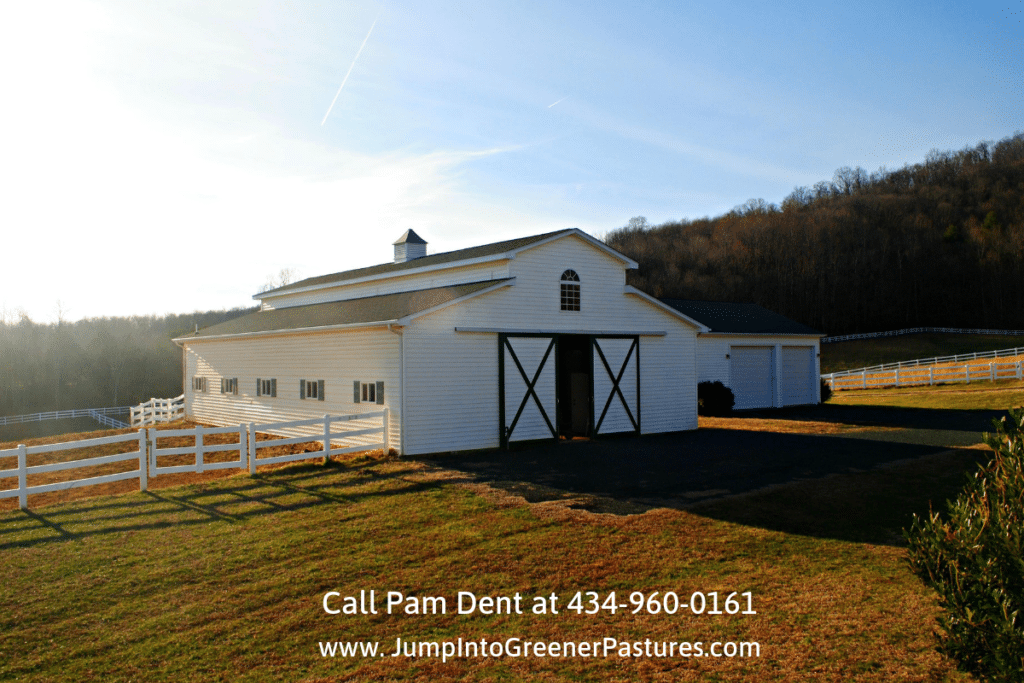
- Barn
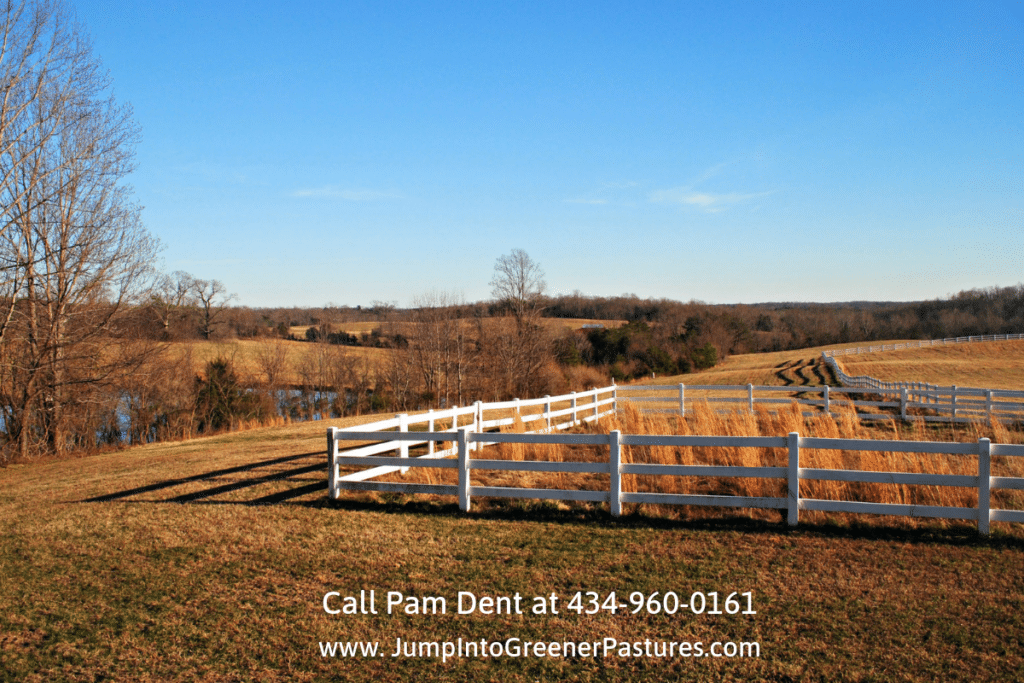
- Paddocks and pastures
- Arena or riding area
- Trailer parking
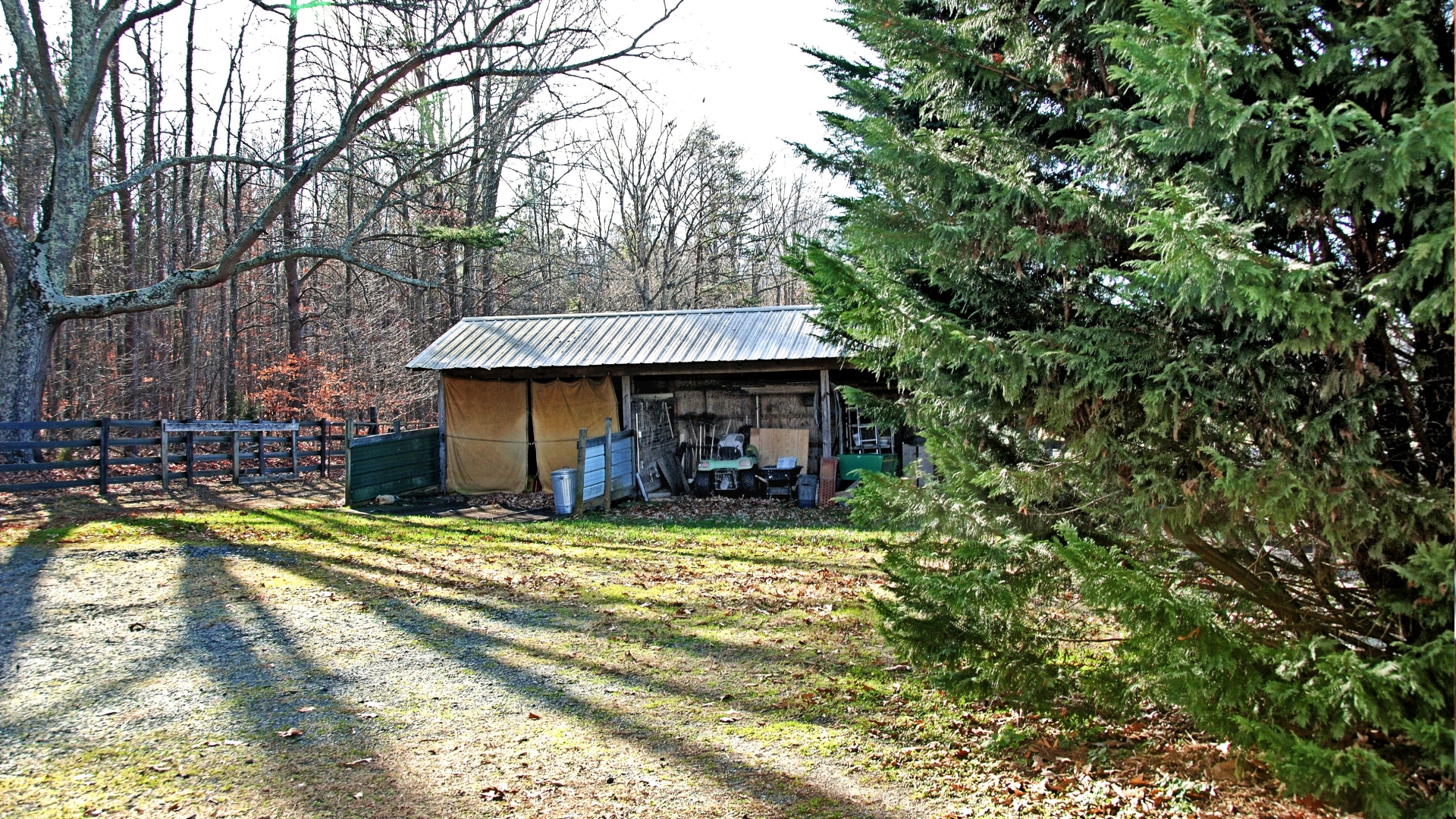
- Equipment storage
- Manure management
- Hay storage
A practical layout matters. If the property feels inefficient, cramped, or unsafe, buyers will factor that into their decision. Flow between house, barn, turnout, and arenas impacts functionality.
Acreage matters, but usable acreage matters more
One of the most common mistakes an equestrian property seller makes is assuming that the total acreage tells the whole story.
An equestrian buyer cares more about usable acreage than about total acreage.
What horse farm buyers mean by usable acreage
Usable acreage includes land that is:
- Easily accessible
- Relatively dry
- Appropriate for pasture or turnout
- Safe for horses
- Functional for the intended purpose
- Flat vs steep ground
- Relatively clear
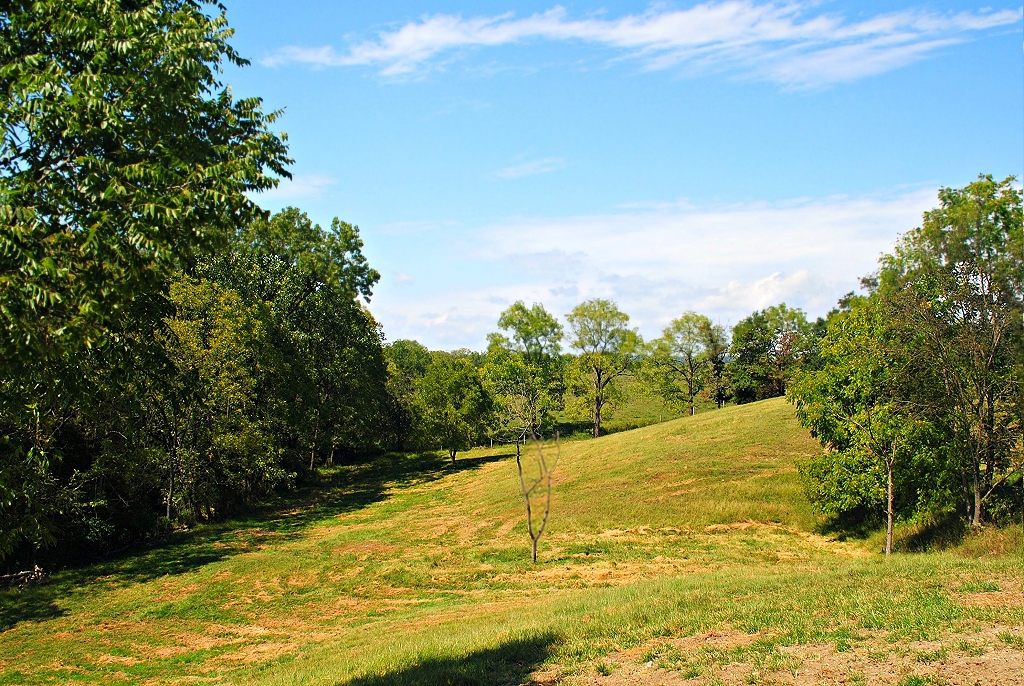
For example, 15 acres with good pasture, strong fencing, and functional layout will appeal more than 30 acres with steep slopes, woods, wet ground, or inconvenient access.
What buyers evaluate in the land
When viewing equestrian property in Central Virginia, buyers often assess:
- Amount of flat vs sloped areas
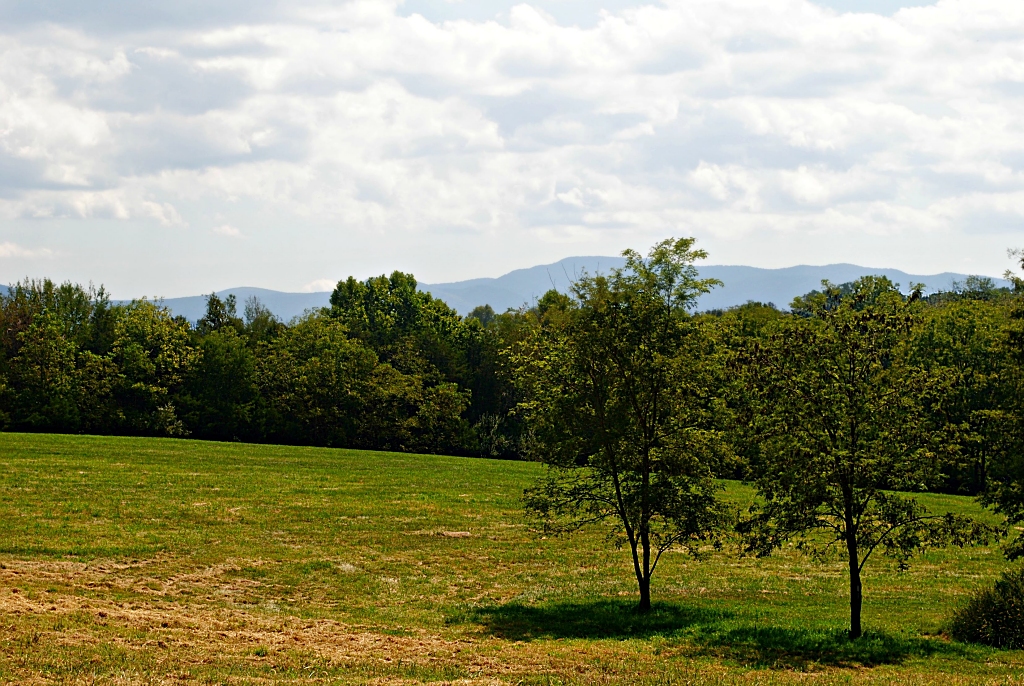
- Open pasture vs wooded acreage
- Drainage
- Pasture quality
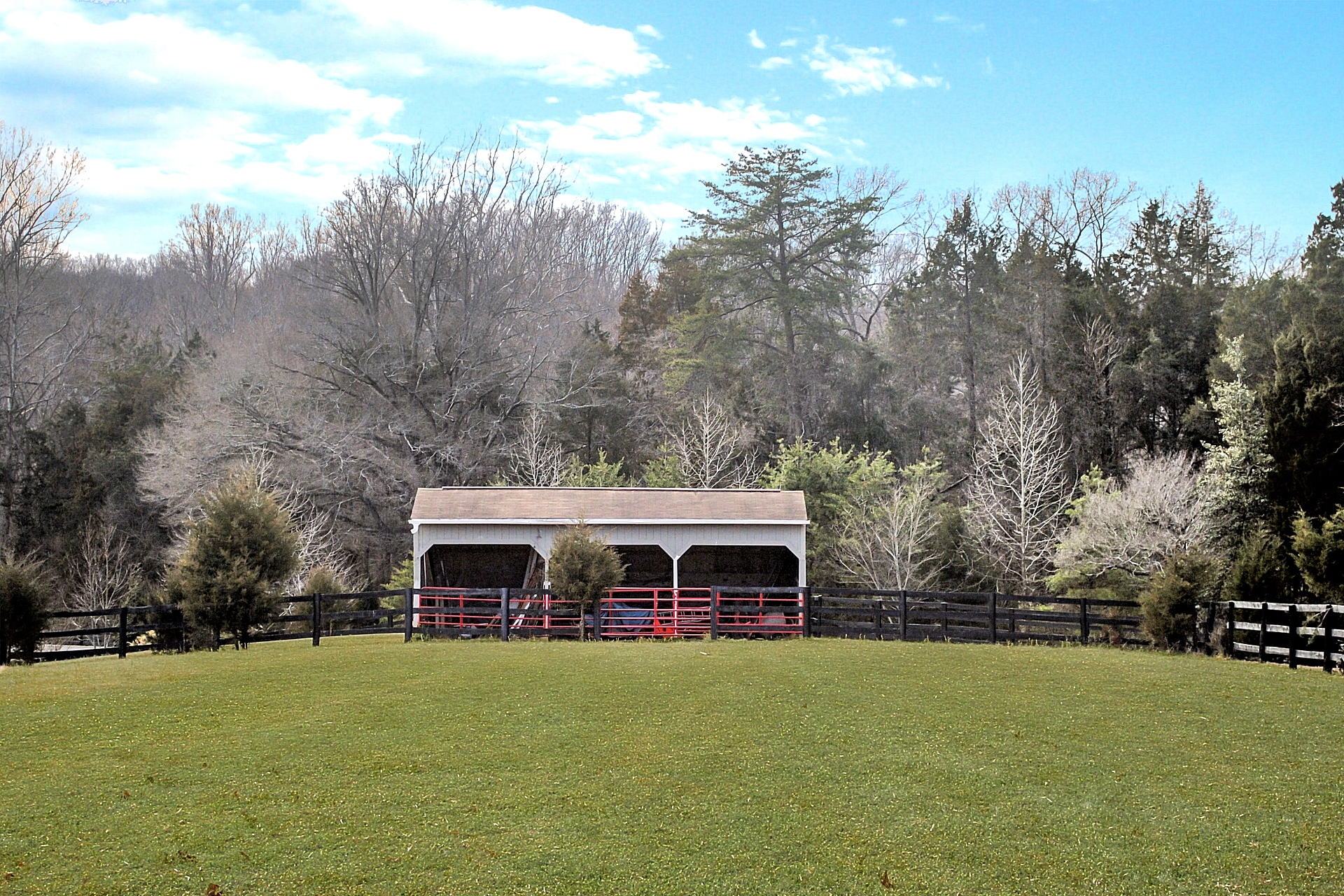
- Shade and shelter
- Condition of high-traffic areas
- Whether it is already divided into paddocks, and the number and size of the paddocks
- How the land will support future horse use
- Will the land accommodate the required number of horses
- Convenience of the paddocks to the barn
Sellers of Central Virginia horse properties should be careful not to overstate what the land can do. Experienced horse property buyers will quickly recognize when the acreage sounds more functional in marketing than it is in person.
Barn features horse farm buyers in Virginia care about most
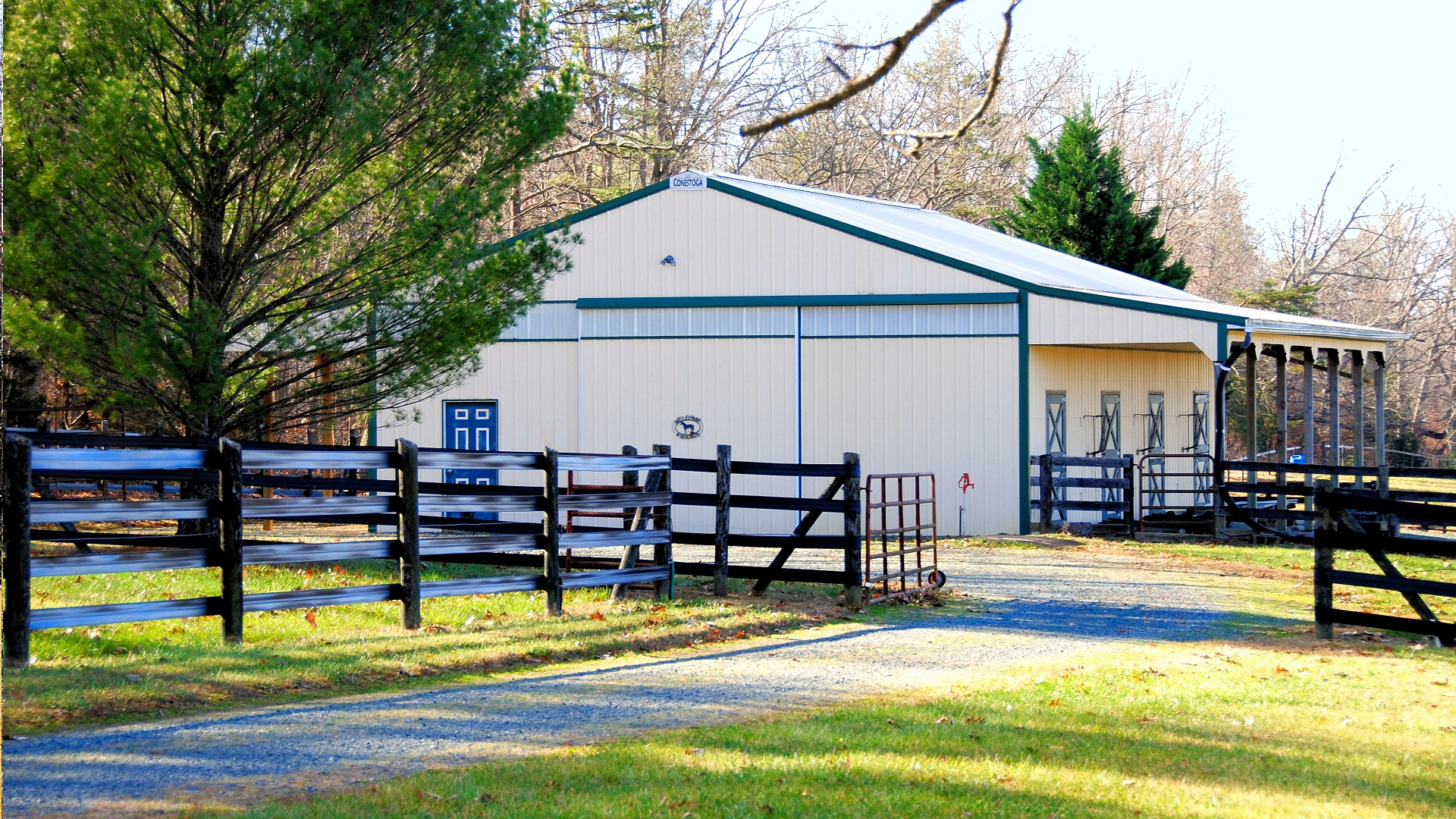
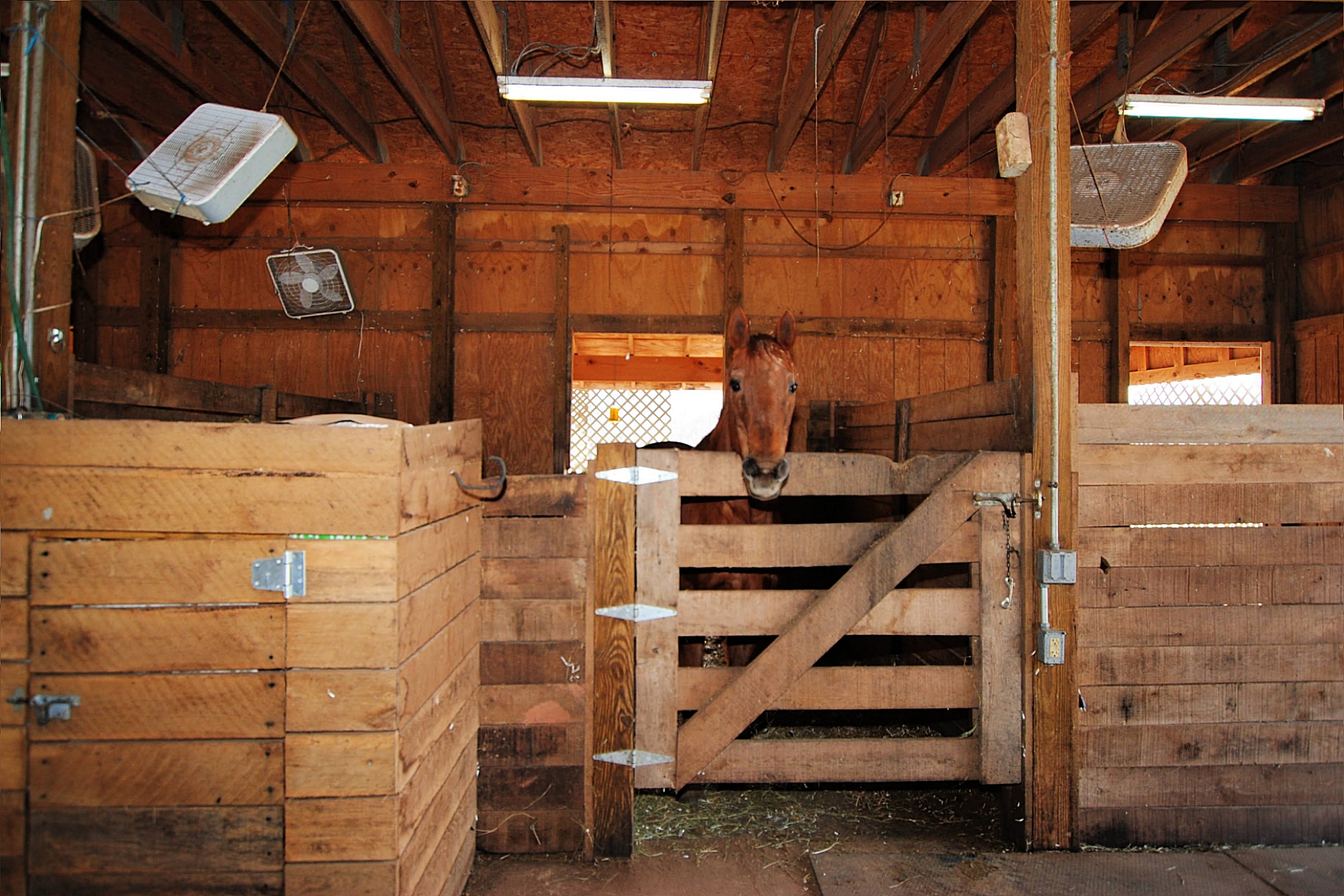
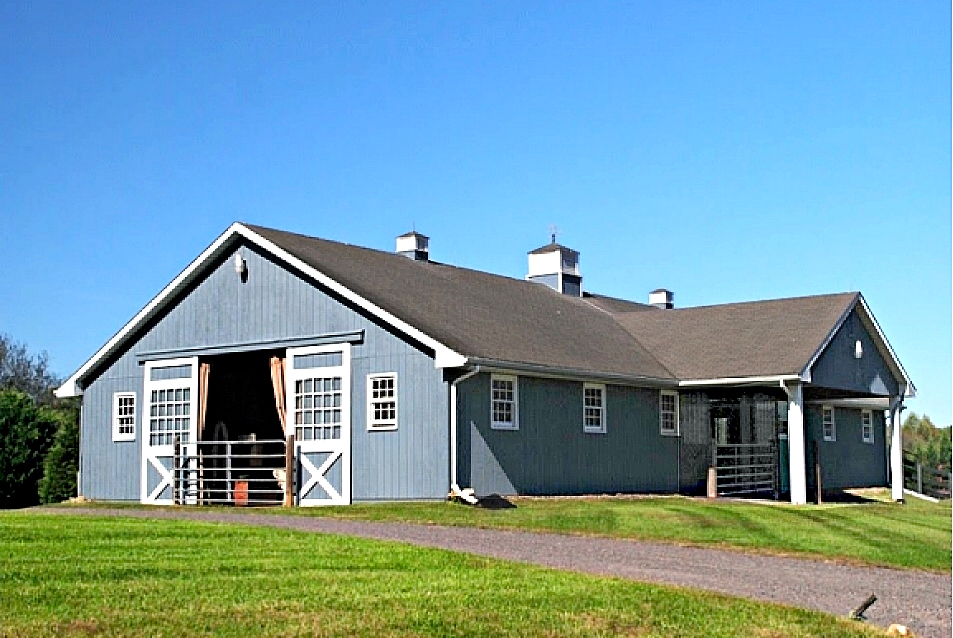
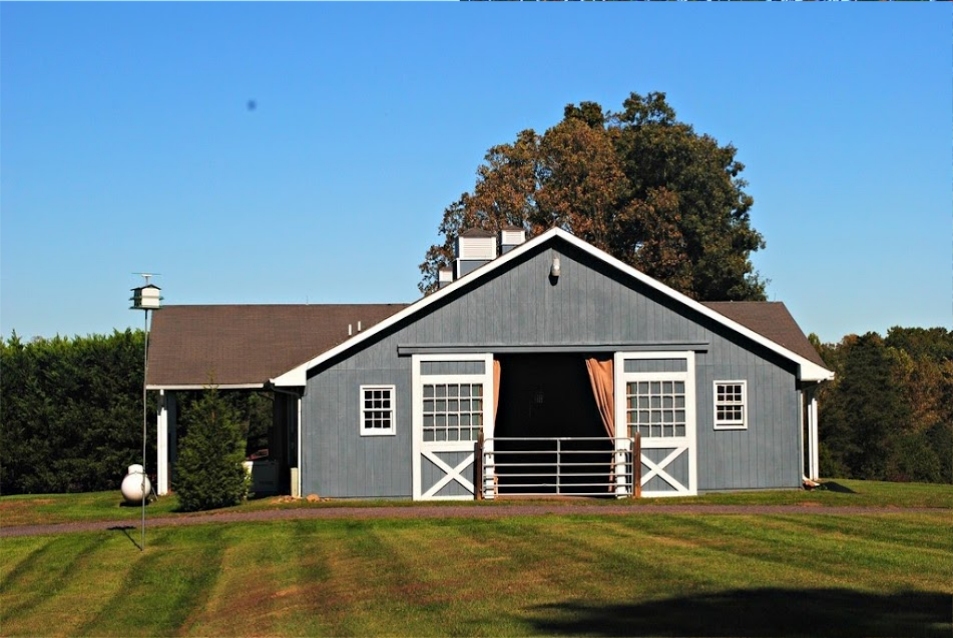
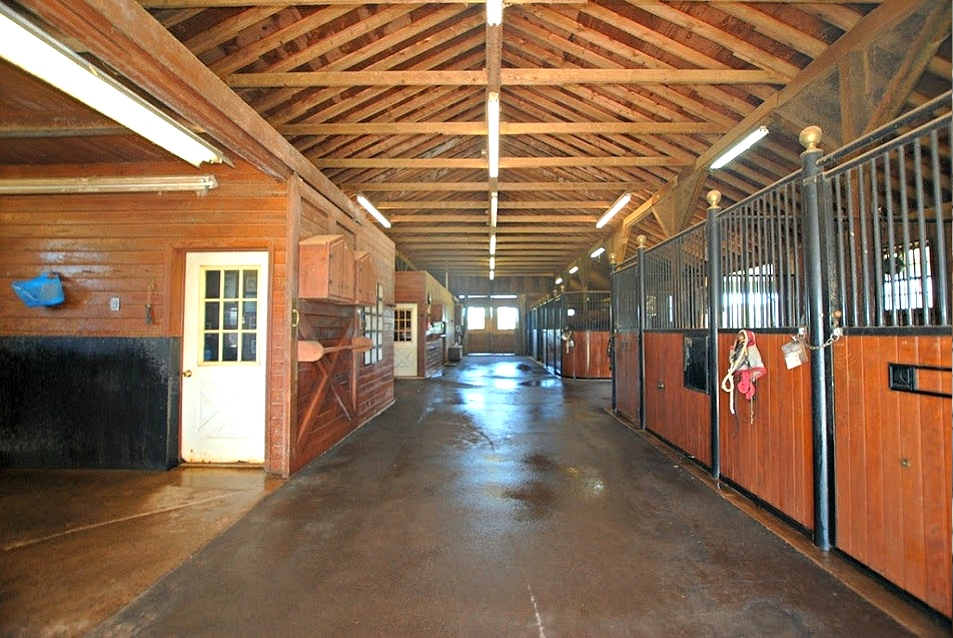
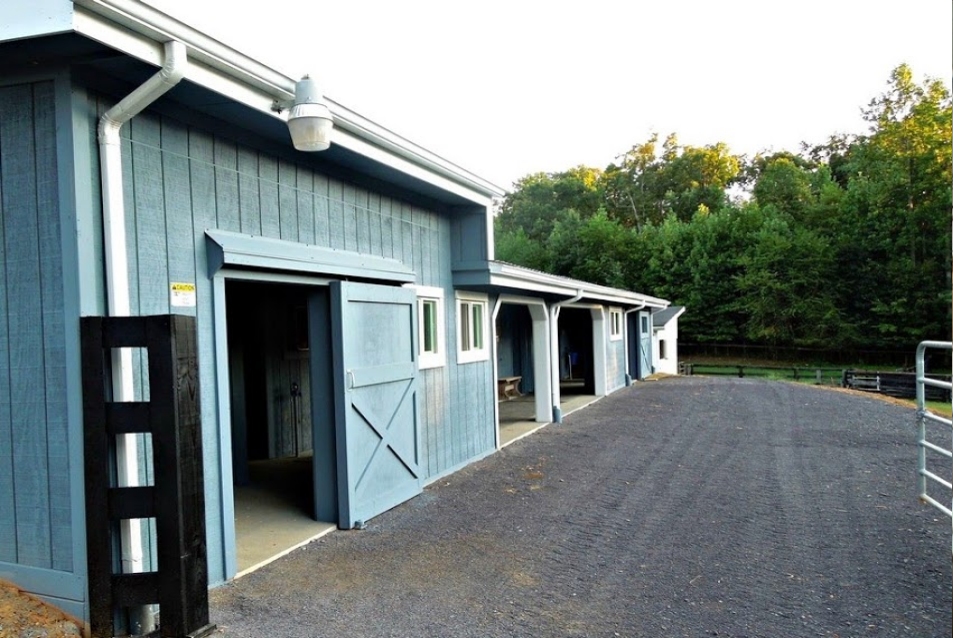
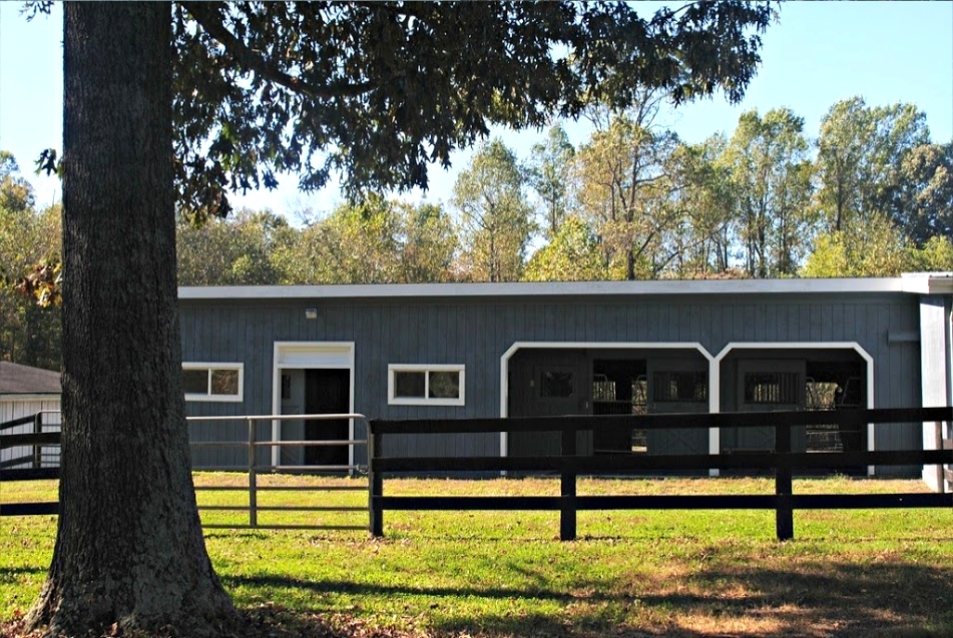
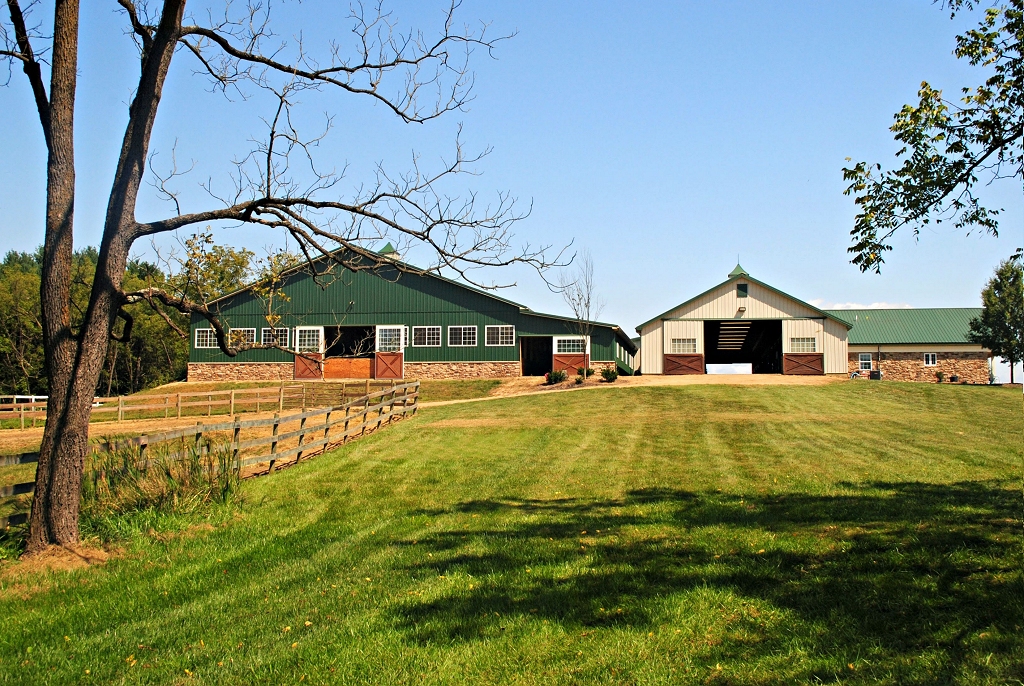
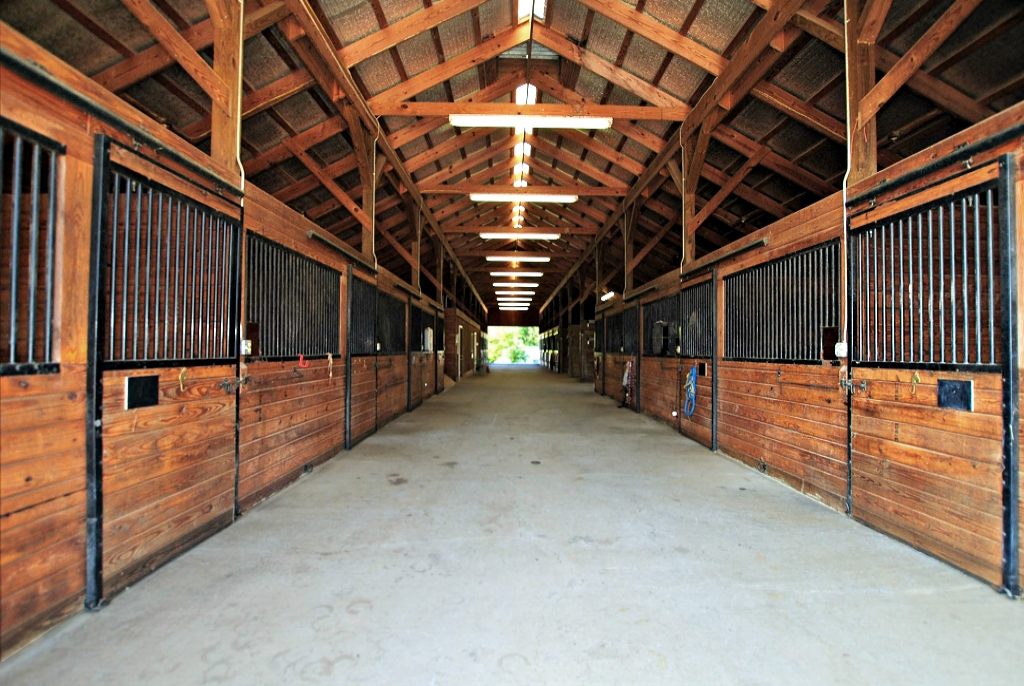
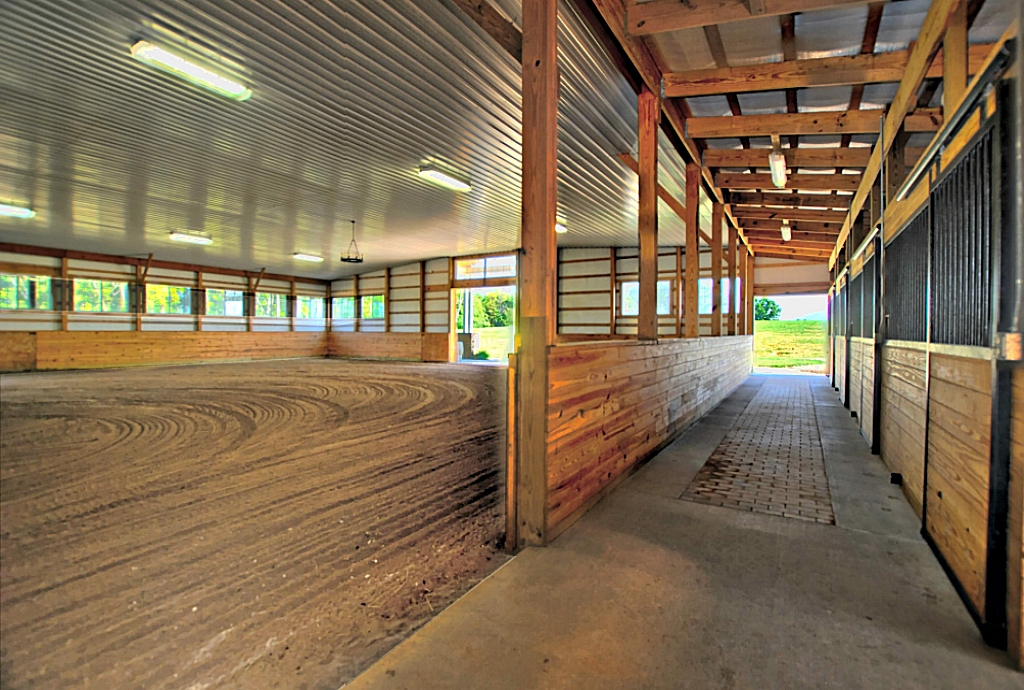
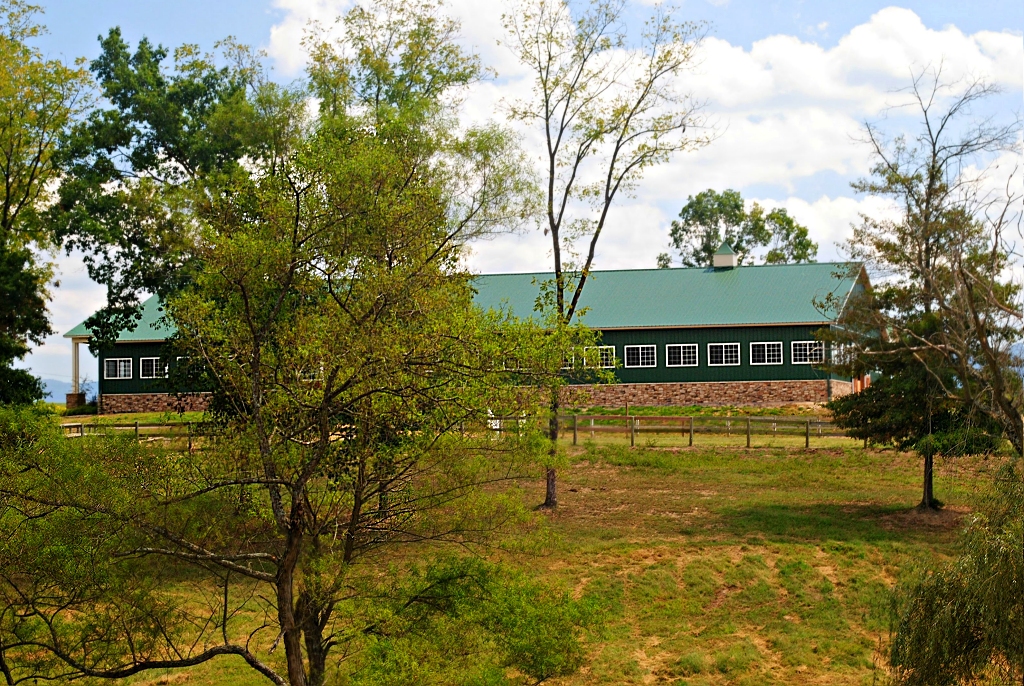
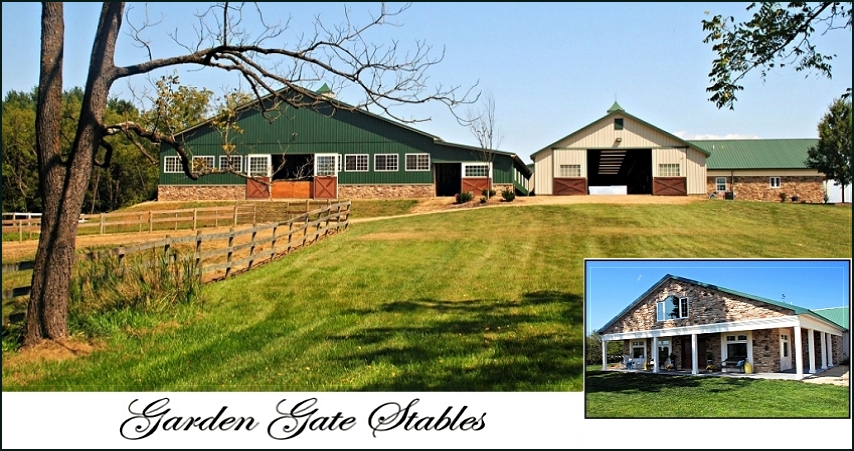
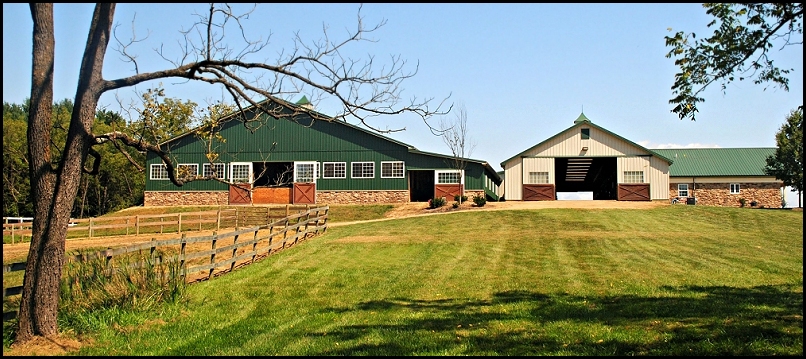
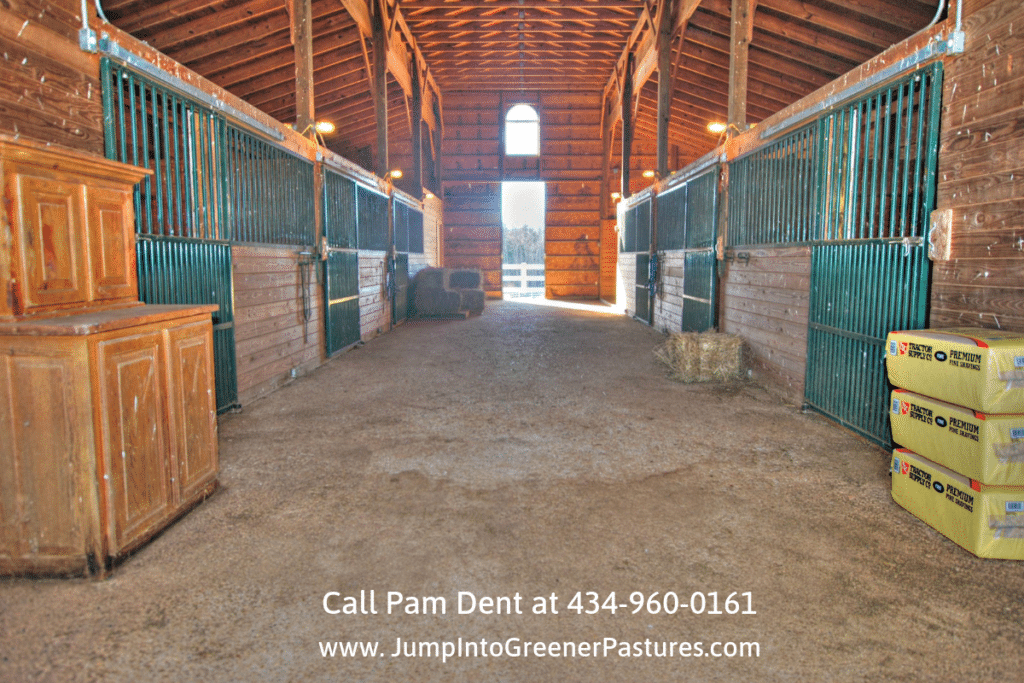
For many equestrian buyers, the barn is their highest priority. They are not only looking for charm. More importantly, they require safety, practicality, and condition.
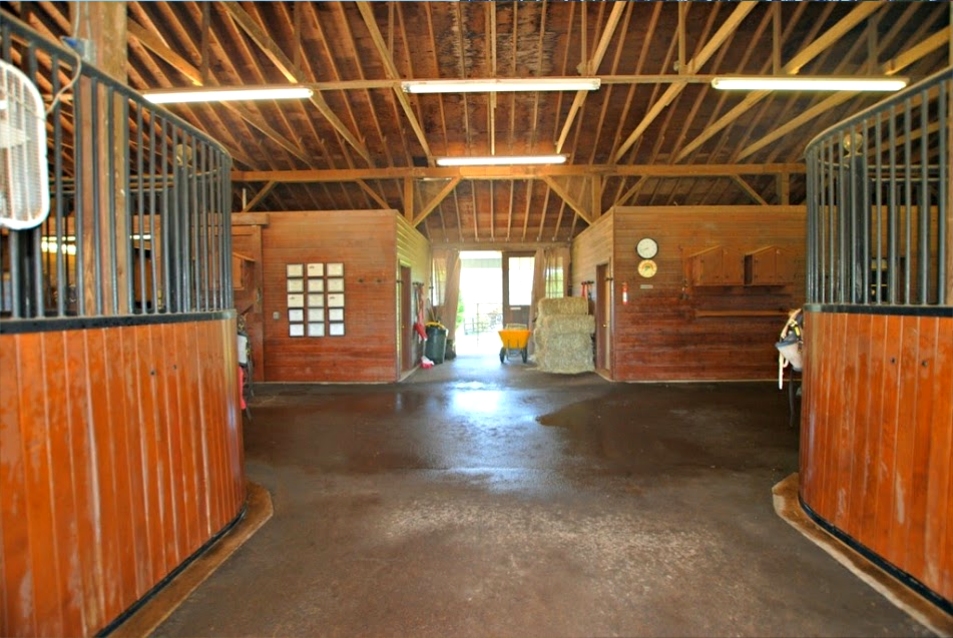
Stall count and stall size
Buyers want to know:
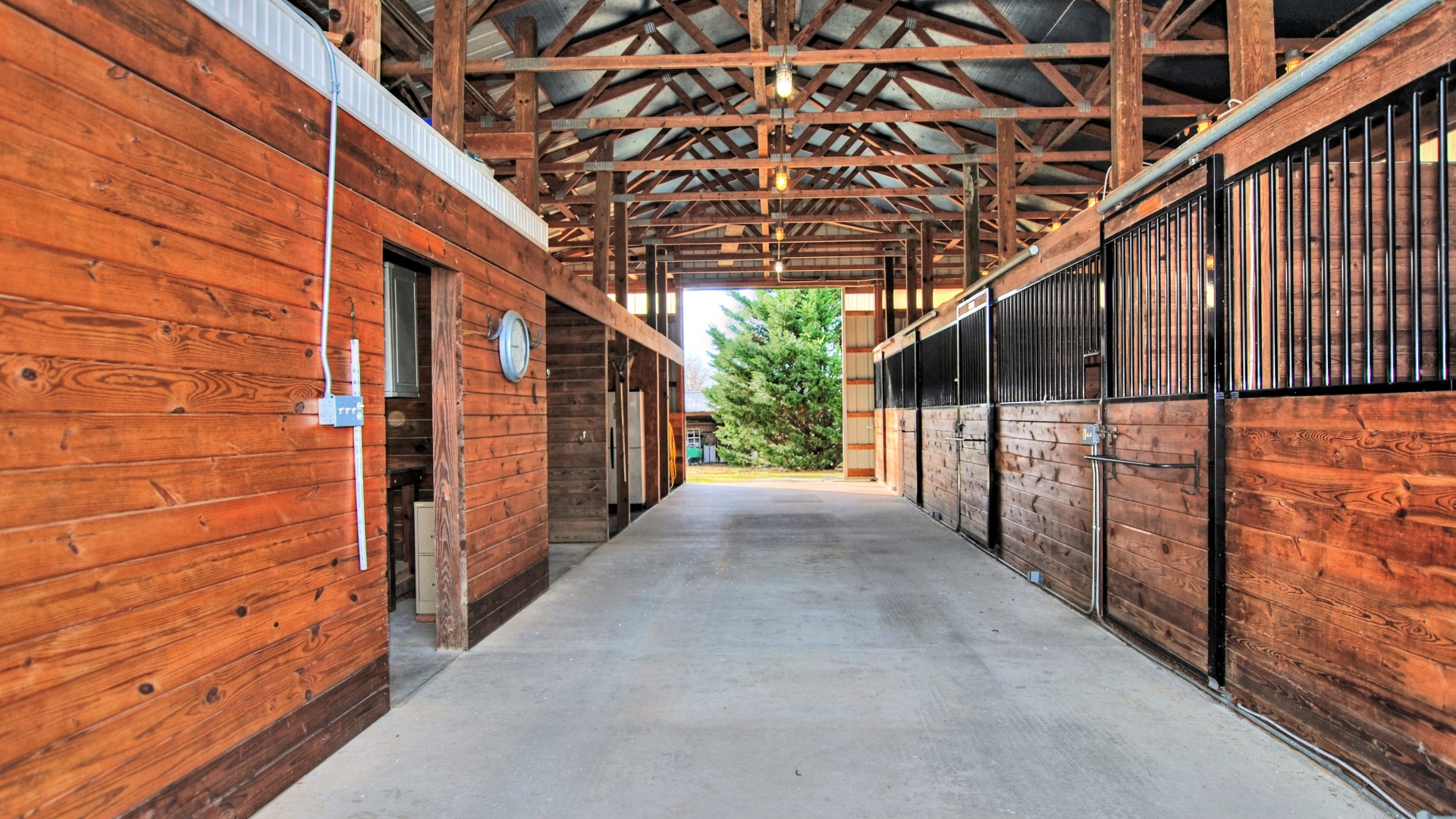
- Number of stalls
- Stall dimensions
- Stall floors, are they matted
- Stall layout
- Ventilation
- Lighting
- Materials and construction
A barn with fewer stalls but a better design may be more appealing than a larger barn with poor airflow or an inconvenient layout. Different stable layouts may appeal to different equestrian disciplines.
Tack, feed, and storage areas
Storage and ease of organization may matter more than many sellers of equestrian property expect.
Buyers often look for:
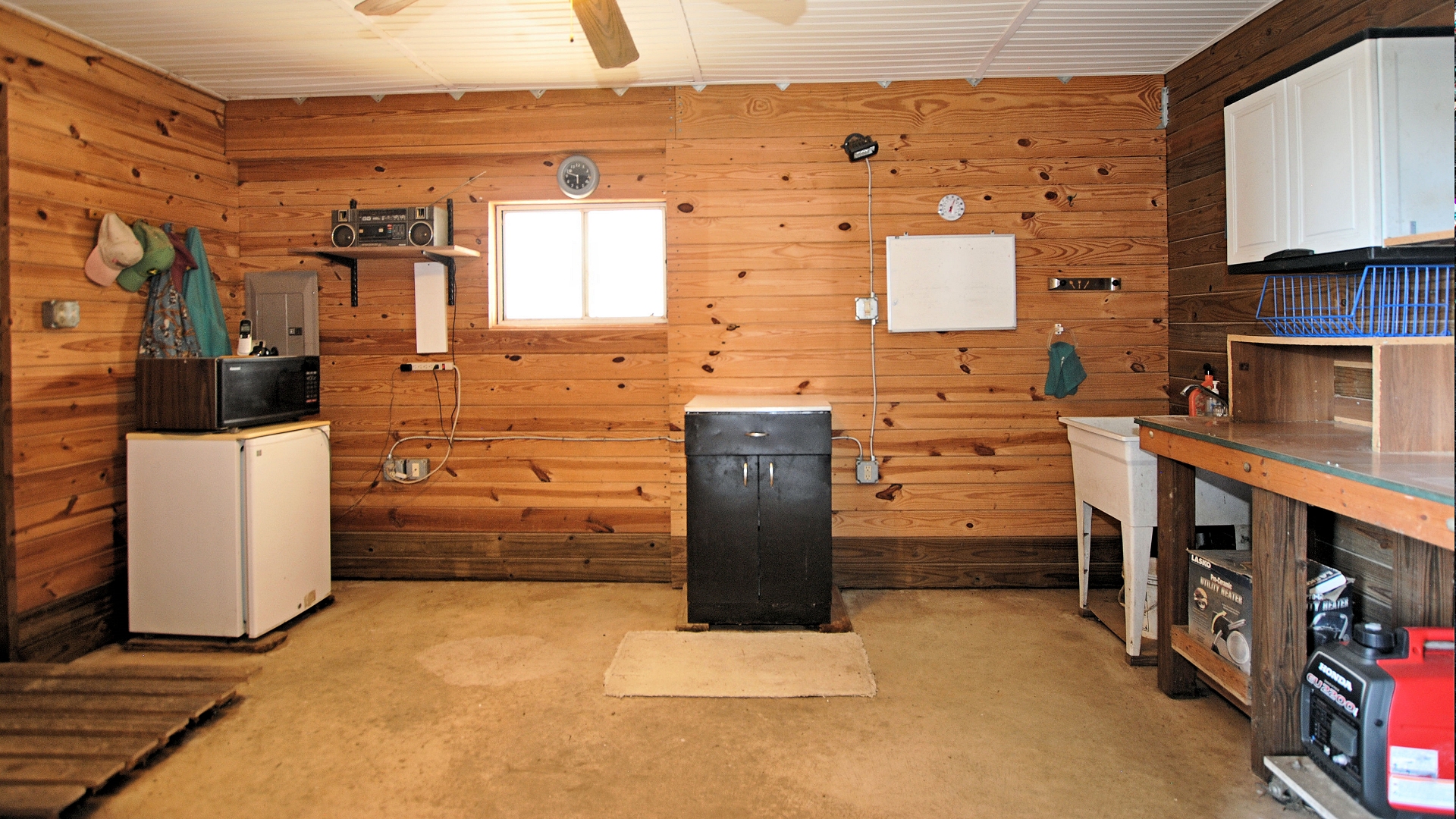
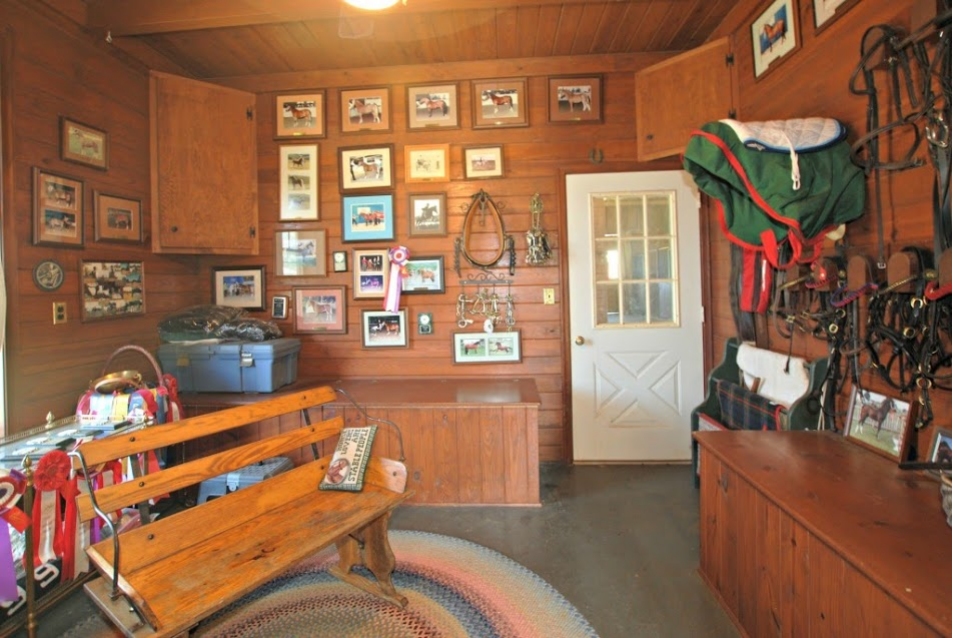
- A practical tack room; heated and cooled is a plus
- A dry feed room
- Secure storage
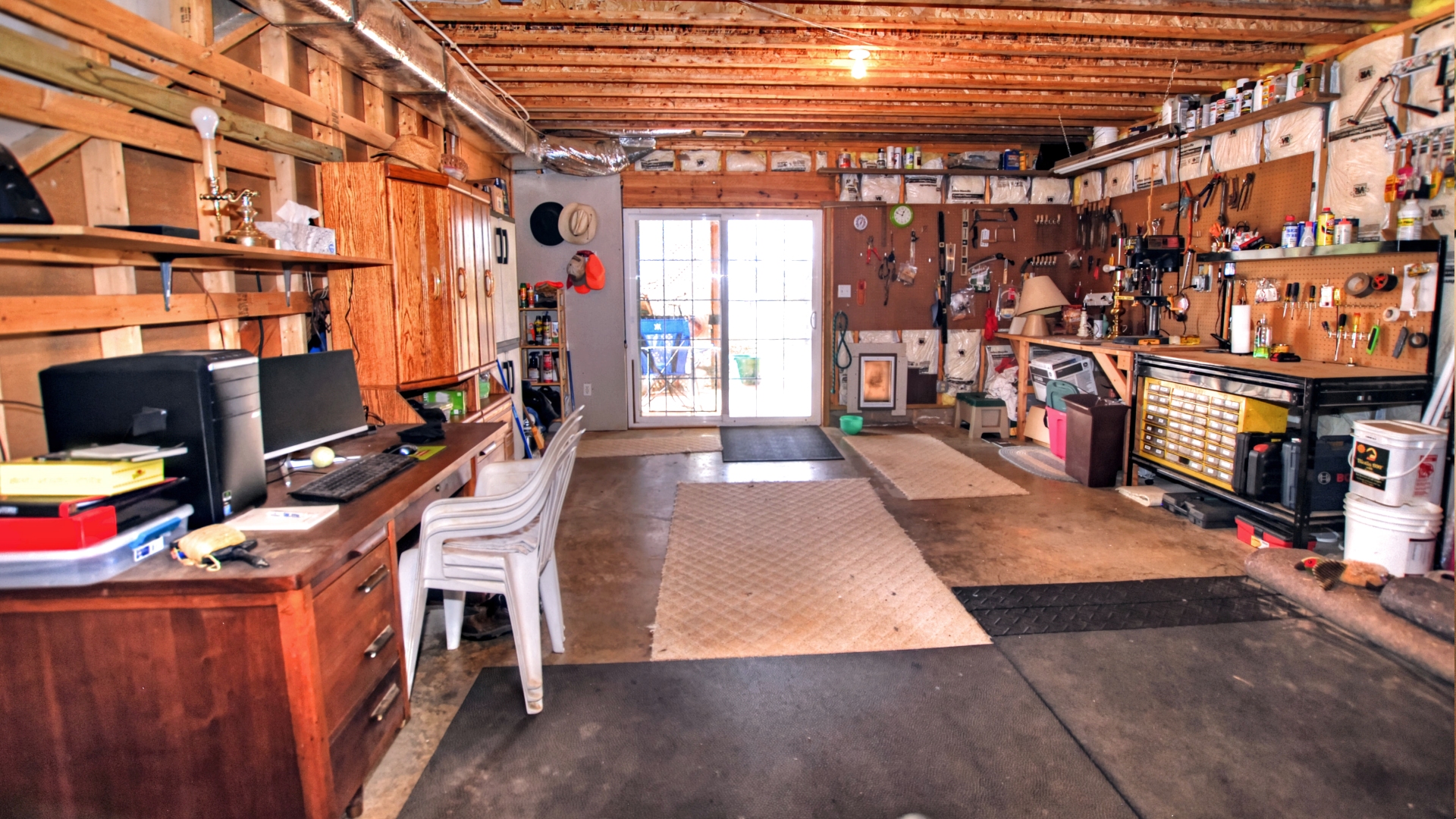
- Space for supplies and equipment
- Hay storage that is convenient for daily use and space to store enough hay for the number of horses
If those spaces feel cramped, damp, disorganized, or unsafe, buyers may anticipate the expense of immediate upgrades.
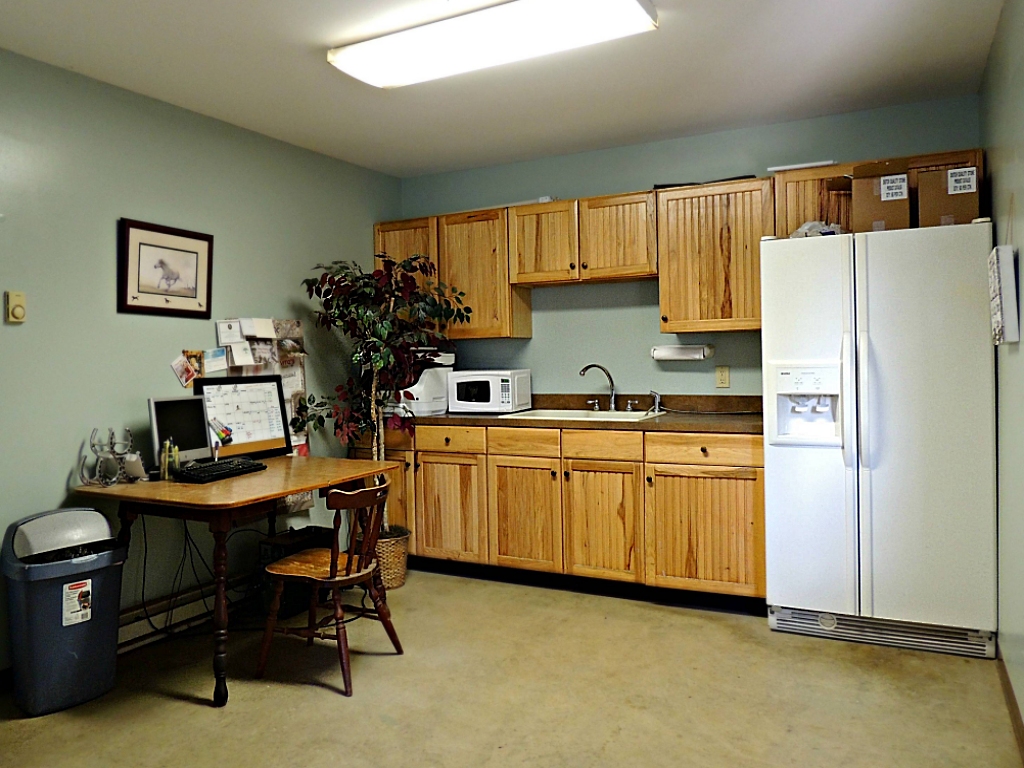
Wash stalls and utility features
Not every buyer requires a wash stall, but it is an increasingly expected feature.
They may value:
- Hot and cold water access
- Wash stall drainage
- Grooming areas
- Cross ties
- Utility sinks
- Convenient frost-free hose access
- Washer and dryer
- Full or half bath
- Automatic waterers
These details may not carry the same importance as fencing or land quality, but may be expected at certain price points.
Condition of a Central Virginia horse farm often matters more than age
An older stable can still attract buyers if it is functional and well maintained.
Buyers notice:
- Roof condition
- Siding
- Aisle condition and flooring
- Electrical quality
- Ventilation
- Structural integrity
- Deferred maintenance
- Footing around the barn
If it is obvious that repairs are needed, buyers immediately start estimating cost and will adjust any offer accordingly. Or may decide to pass on the property altogether.
Fencing is one of the strongest value signals for equestrian buyers
Few features signal horse readiness more than fencing. The quality of fencing affects safety and expense. Poor fencing presents an immediate obstacle to the sale of a Central Virginia equestrian property, while good fencing reinforces value.
What buyers are evaluating
Buyers look at:
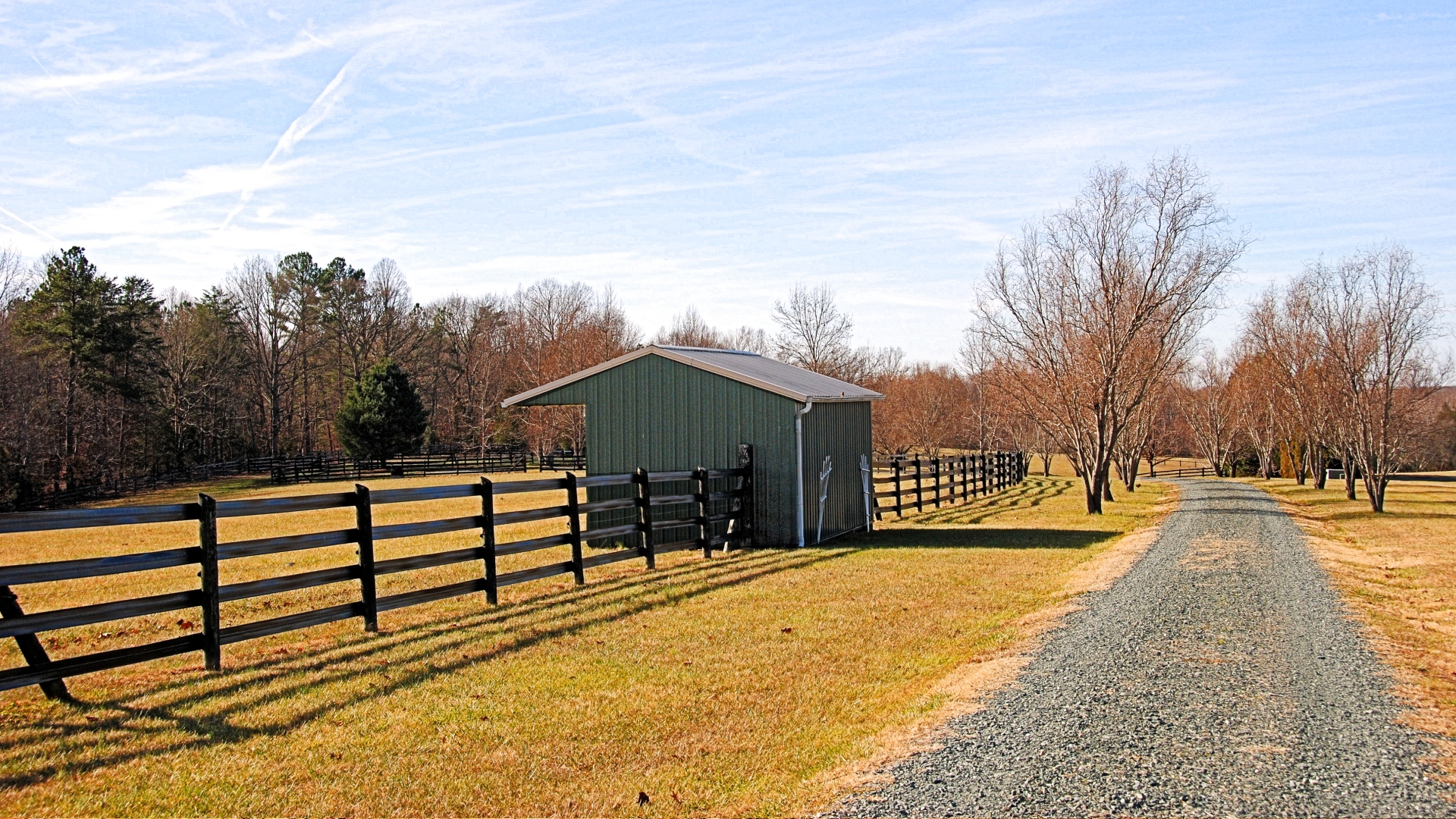
- Type of fencing and perceived safety and maintenance
- Visibility
- Deferred maintenance
- Secure gates and latches
- Does the fencing match the likely buyer profile and equestrian discipline
- Are the paddocks logically laid out?
- Are fields and paddocks cross-fenced
Buyer may be less focused on whether the fencing is visually impressive and more focused on whether it is secure, safe and practical for their particular type of horses.
Why fencing influences value perception
Fence replacement can be expensive. If buyers believe that they will need to replace large sections of fence, that will affect their overall perception of the property.
Even if they are not aware of replacement cost, they may interpret poor fencing as an indication that other parts of the property infrastructure will also require work.
Riding infrastructure that adds buyer appeal
Not every equestrian buyer is looking for the same setup. Some want a private hunt box for a small number of horses. Others want room to train, teach lessons, board, or ride consistently on their own property. A breeder will need a totally different layout.
At the same time, riding infrastructure can increase the majority of equestrian property buyer interest when it is functional and well maintained.
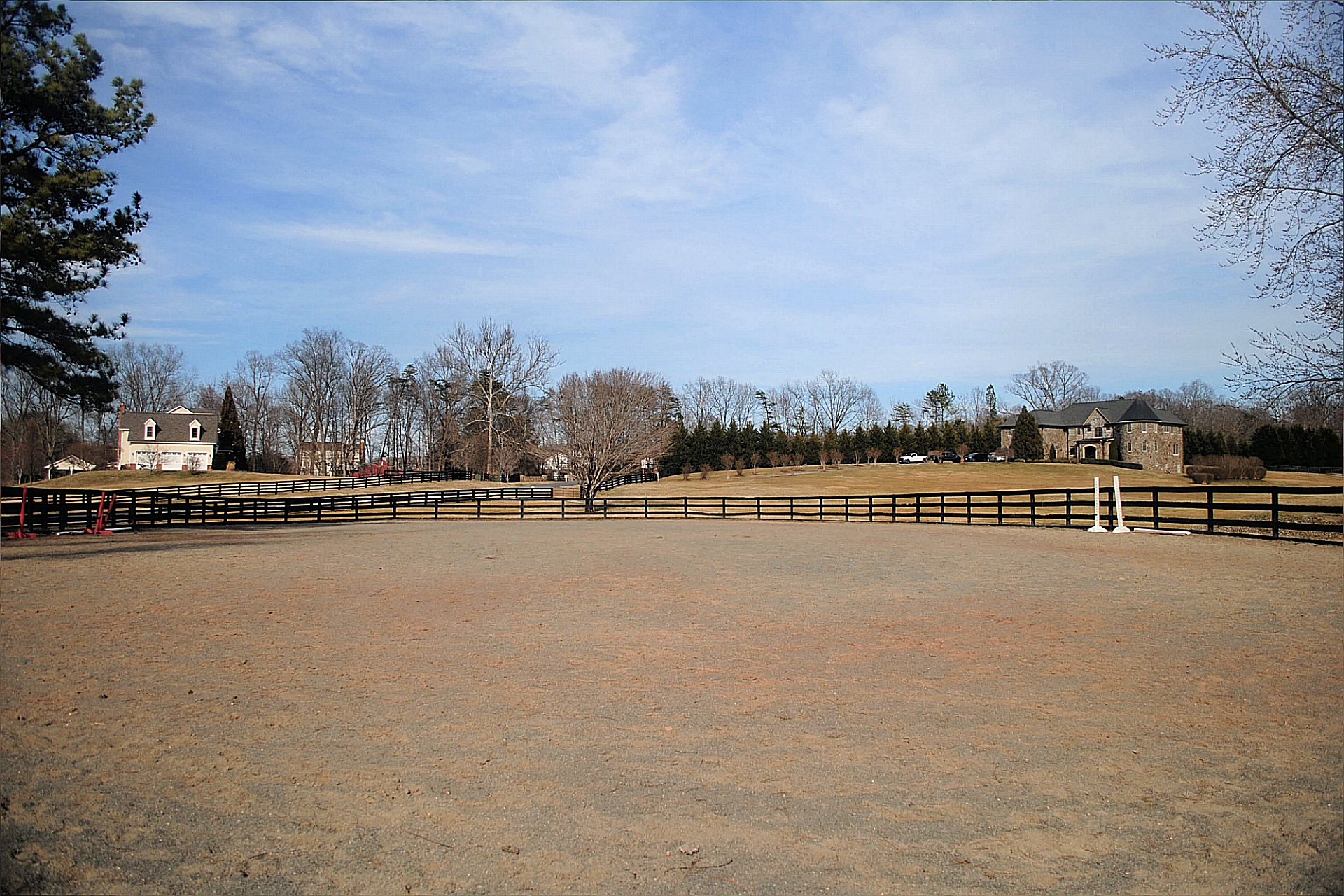
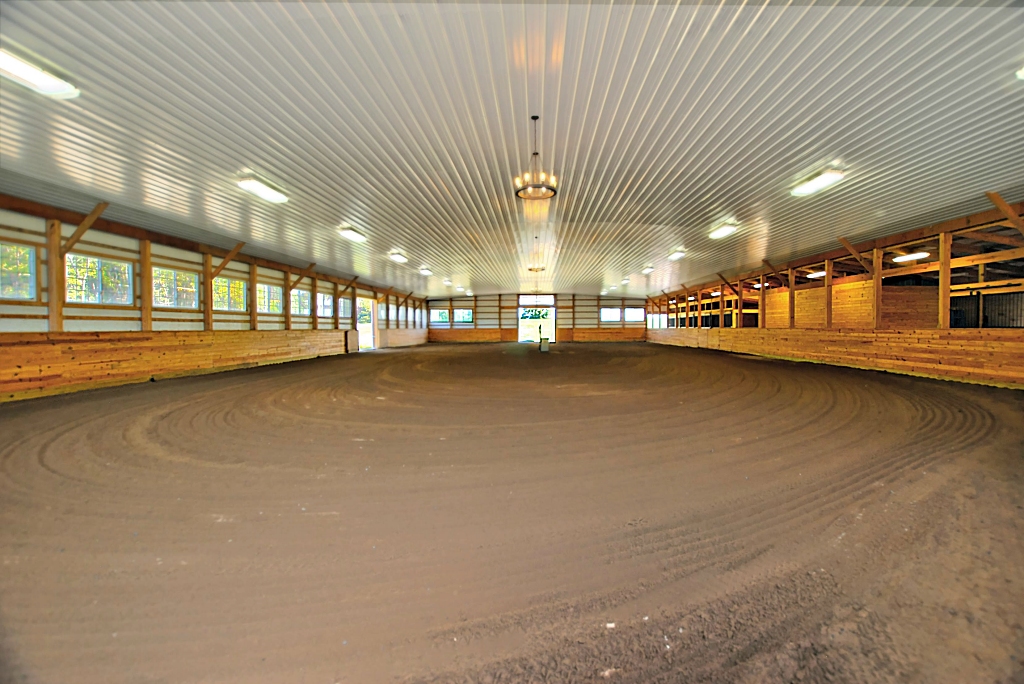
Arenas
If a property has an arena, buyers want to know
- Indoor, outdoor, covered
- Dimensions
- Type and quality of footing
- Drainage
- Maintenance required
- Seasonable usability
A well-maintained arena can be a major draw. A poorly maintained arena may still have potential, but buyers will consider the cost of making improvements. Just like preparing the home for sale, a freshly dragged arena that is free of weeds will contribute to a Central Virginia horse farm making a good impression.
Round pens and training areas
Additional riding and training features can provide broad appeal, particularly for equestrian buyers who need flexibility in training practices or daily exercise.
Useful features may include:
- Round pens
- Designated schooling spaces
- Separate turnout and work areas
- Rideable fields or open flat areas
- An outside course of built-in jumps
Trails and rideout
Some Central Virginia horse property buyers are focused on recreational riding. Those buyers will especially appreciate trail access and rideability. Depending on the availability of trails on your horse farm, the availability of nearby rideout can provide an advantage.
They may value:
- On-property trails
- Nearby bridle paths
- Proximity to the hunt country or county parks with trail systems
- Safe quiet roads
- Open areas suitable for hacking outside the ring
- Ability to hack to the hunt meets
The more details that a seller of a Central Virginia horse farm can provide outlining the use and equestrian features offered by the property, the more likely the marketing is to target potential buyers.
Water, drainage, and land management questions buyers often ask
Land management, including water and drainage issues, can be deciding factors in the sale of a Virginia equestrian property.
These may not be the most glamorous parts of the property, but experienced buyers will carefully evaluate them since they impact horse health as well as ease of maintenance and operational costs.
Water
Buyers often ask about:
- Wells – number and what they serve, gallons per minute
- Hydrants – number, locations, frost-free
- Water line locations
- Automatic waterers – in fields and barns
- Trough set-up
- Reliability and convenience of water access in barns and pastures
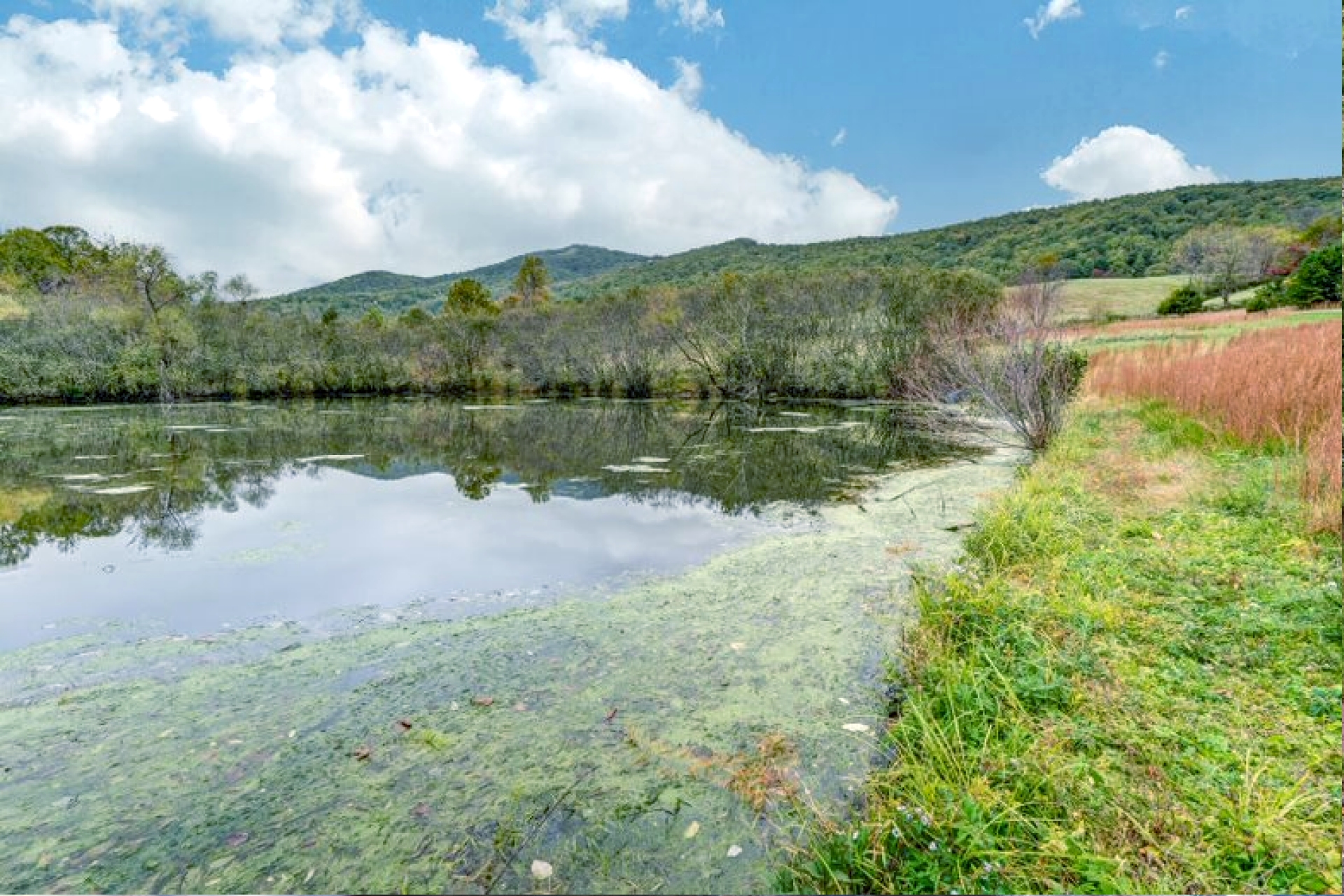
- Are streams, ponds, and creeks fenced off
A property stands out that offers ease of daily horse care.
Drainage and mud management
Poor drainage is a major negative on a horse farm
Buyers will notice:
- Mud around gates
- Mud around water troughs
- The condition of the barn entry
- Water runoff
- Arena drainage
- Erosion
- Saturated low spots in paddocks and pastures
If the property has known drainage solutions or improvements, providing that information can help reduce uncertainty.
Land management and maintenance
Buyers will also want to understand what is involved with maintaining the property.
They may inquire about:
- Pasture rotation
- Seeding and fertilization
- Brush and weed control
- Manure disposal
- Field and pasture mowing
- Maintenance schedule
- Availability of a local farmer to assist with mowing
- Does the property receive land use tax breaks
- Is the property under conservation easement, or would it qualify
Providing practical information strengthens buyer understanding and confidence.
The house still matters, but the horse set-up usually comes first
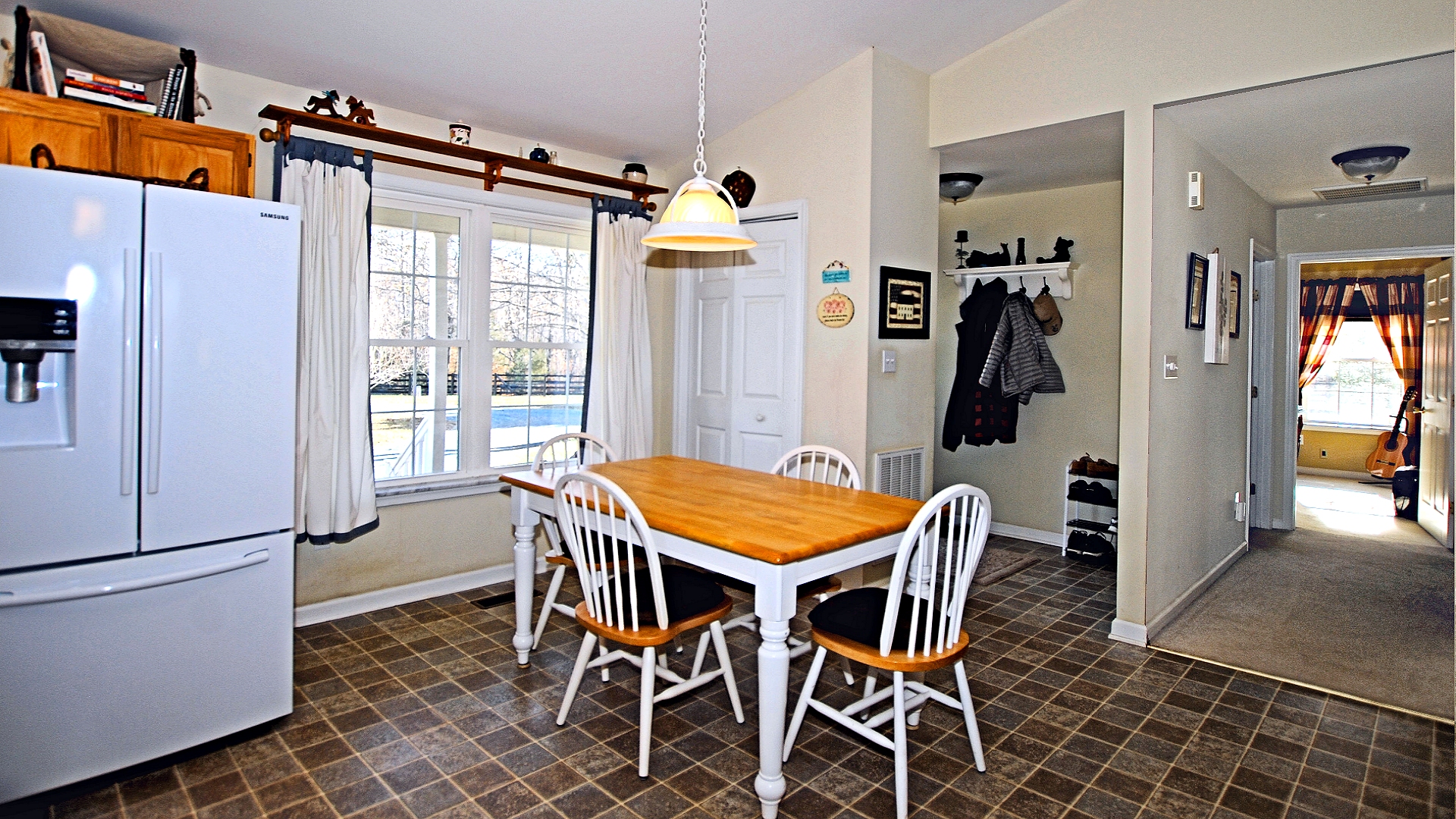
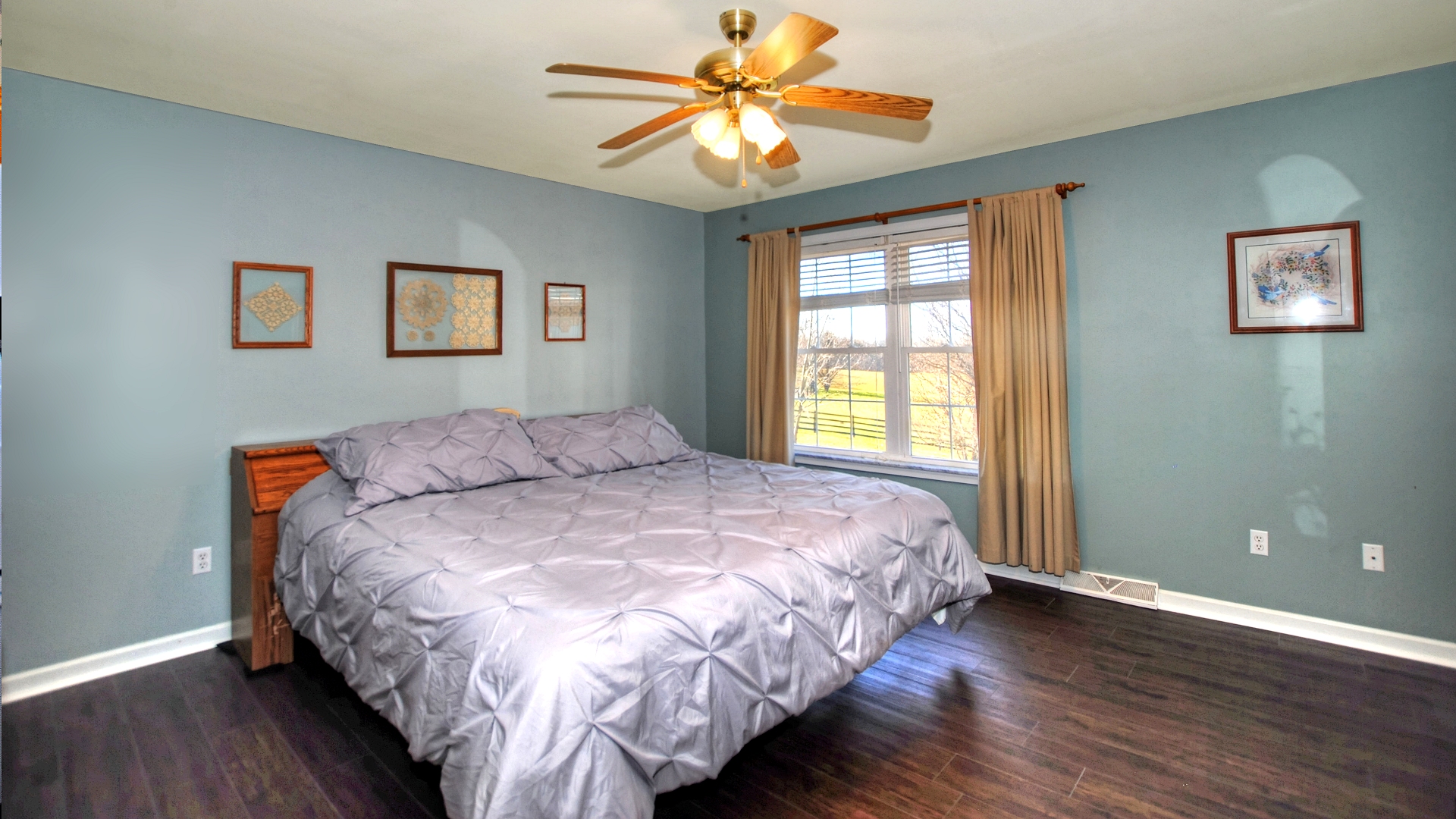
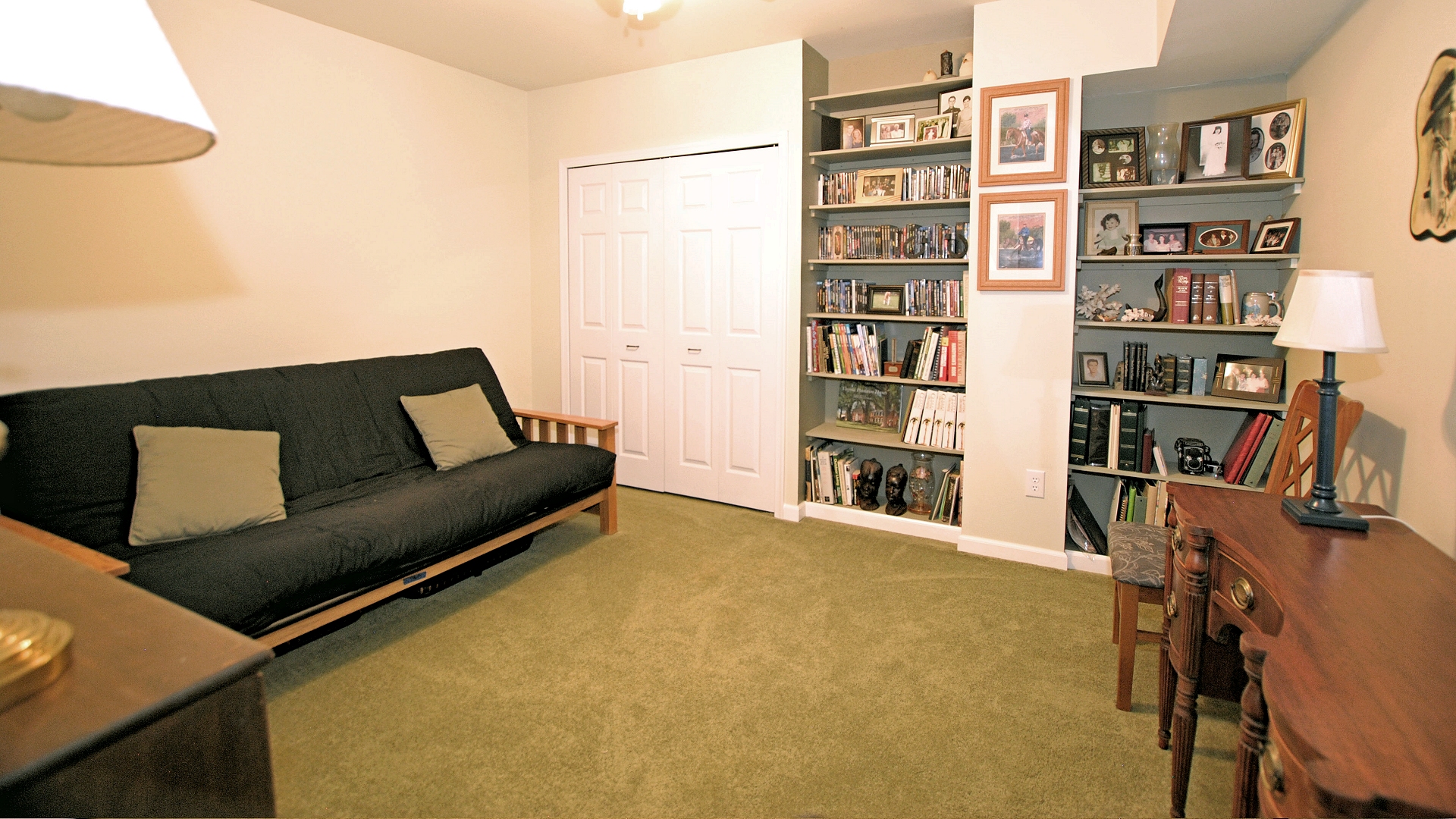
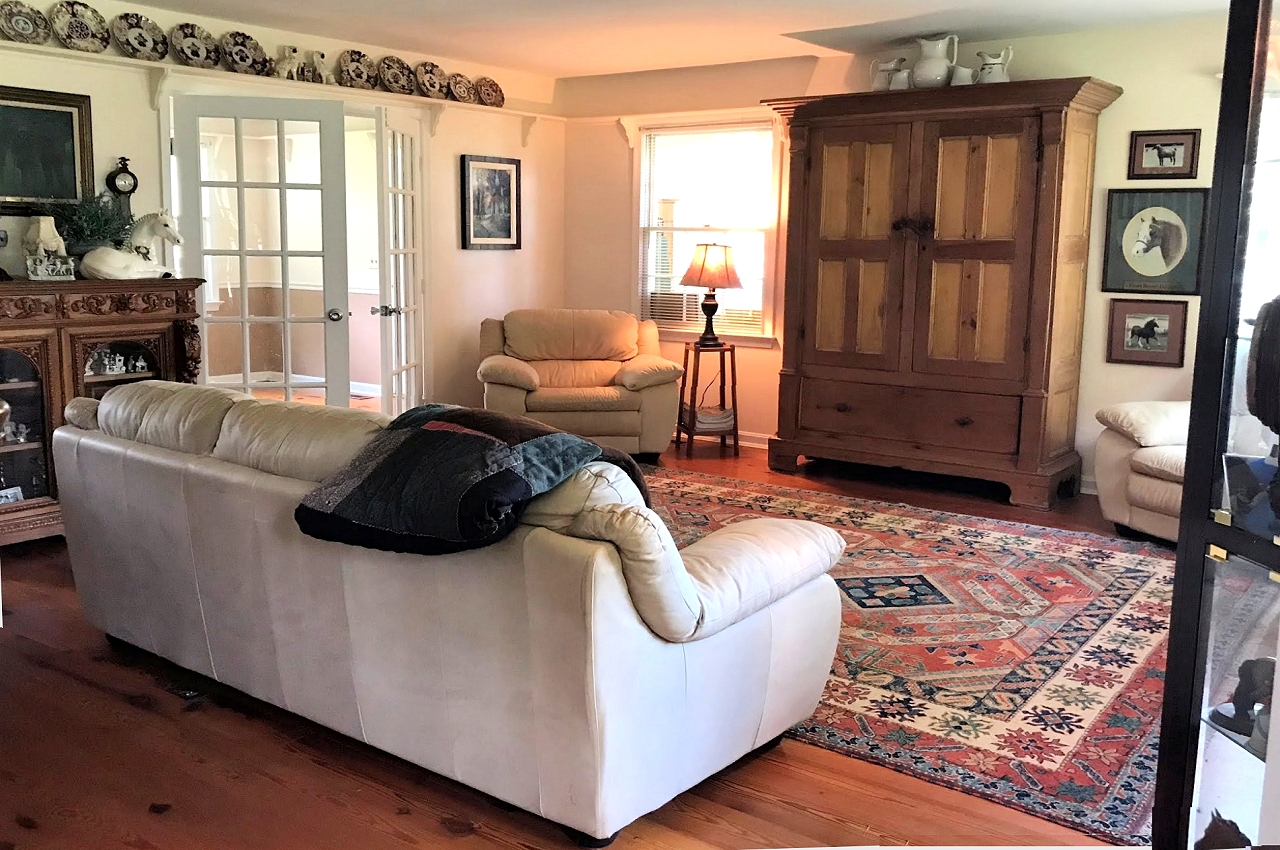
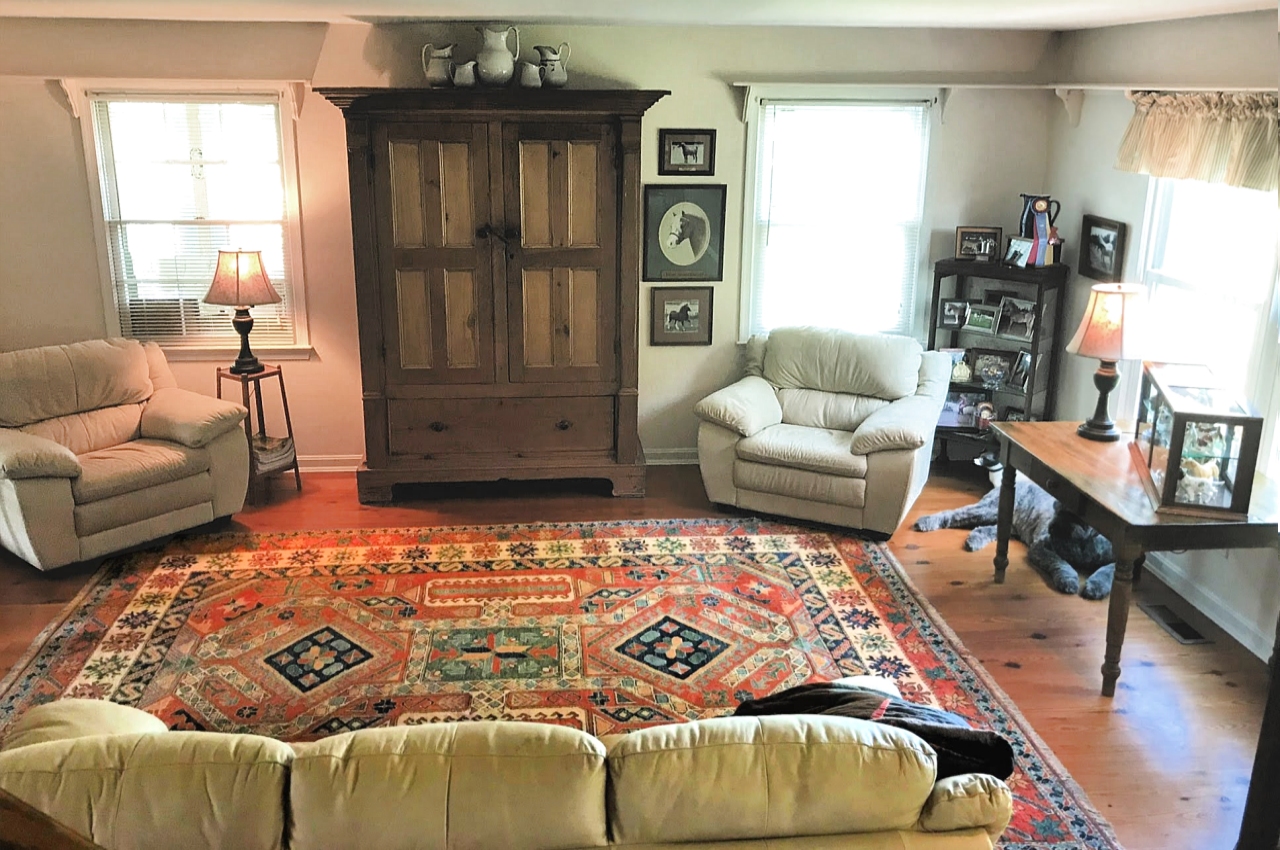
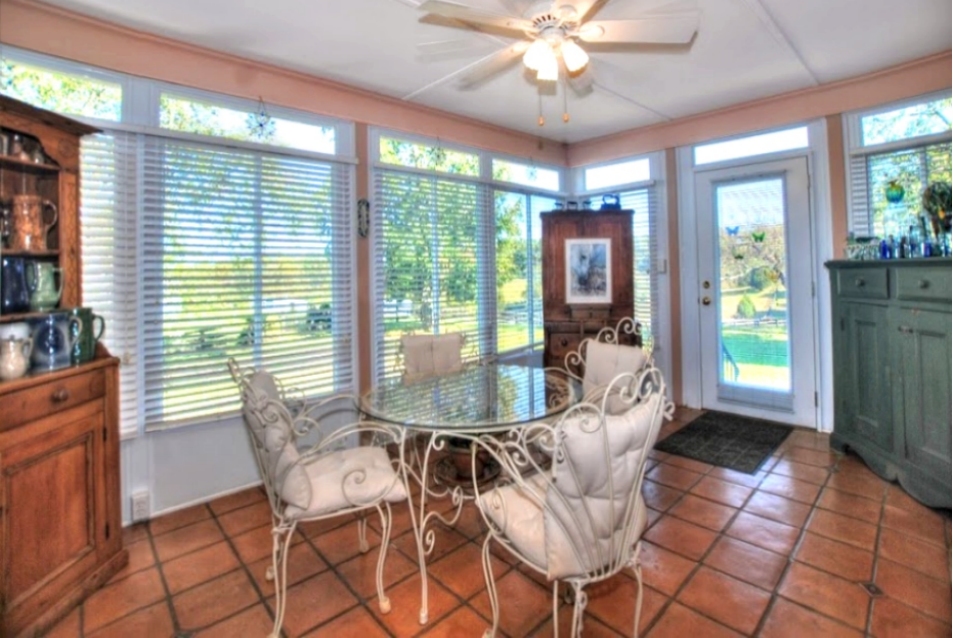
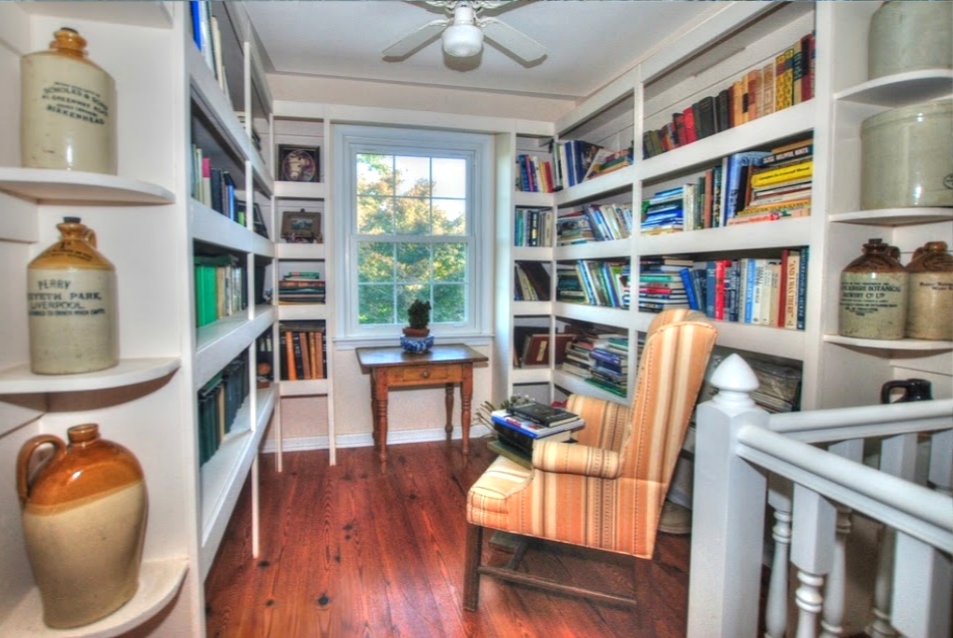
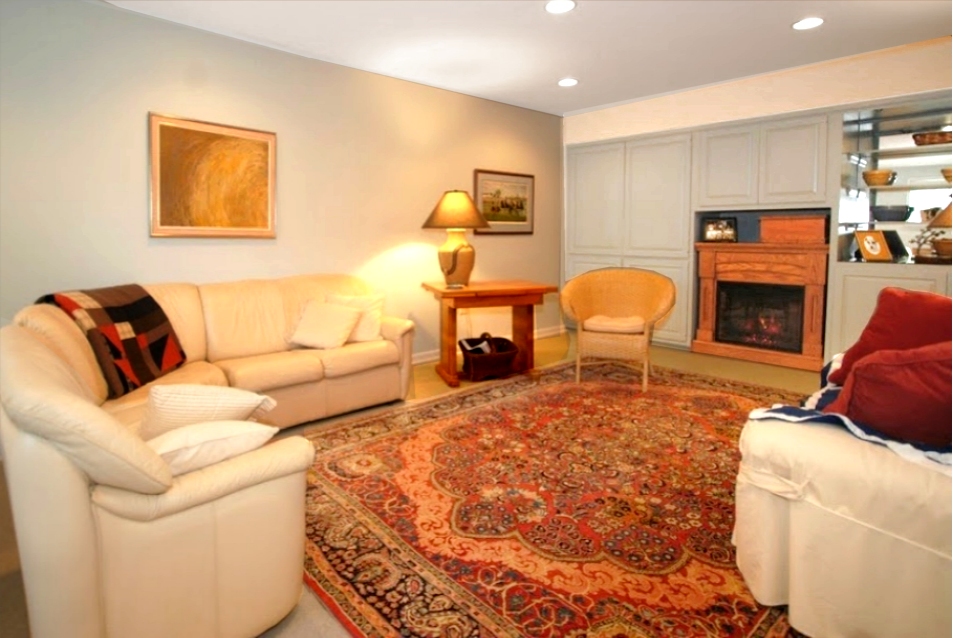
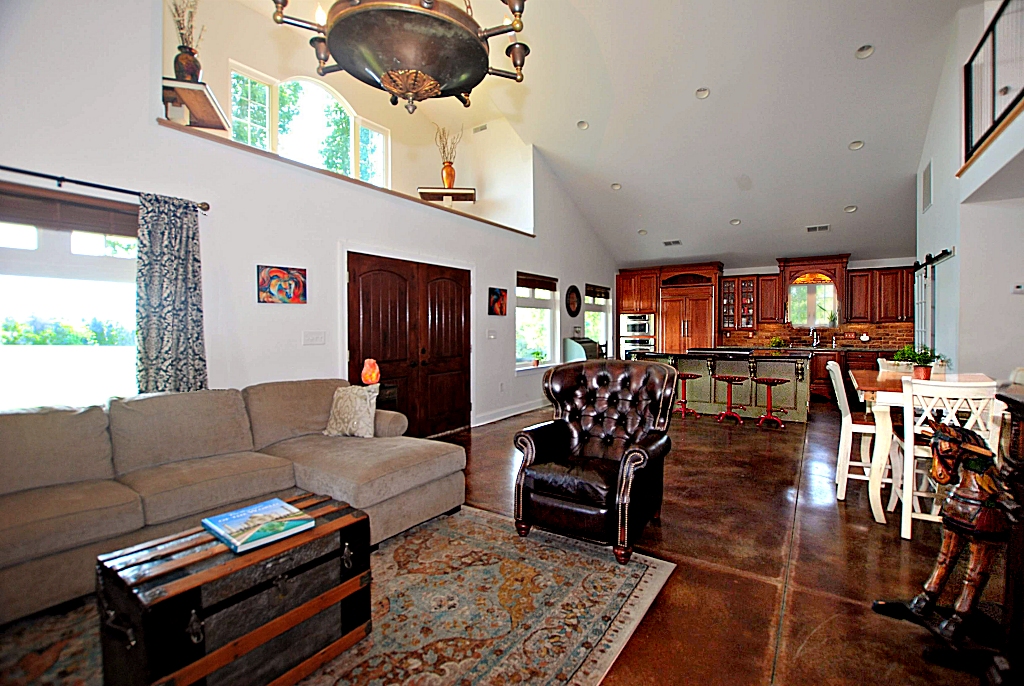
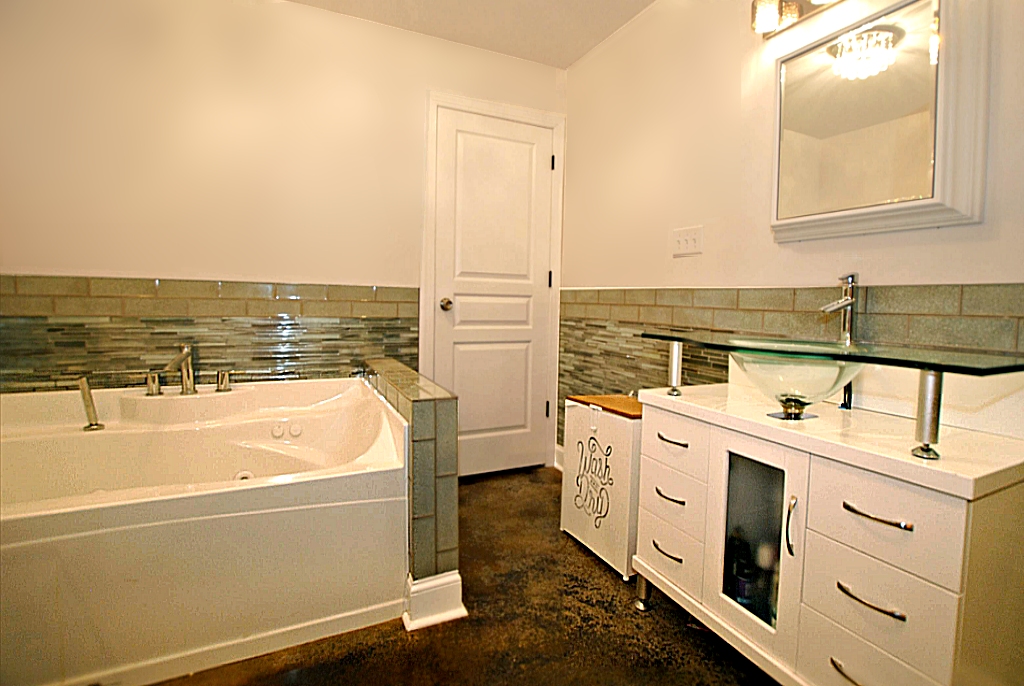
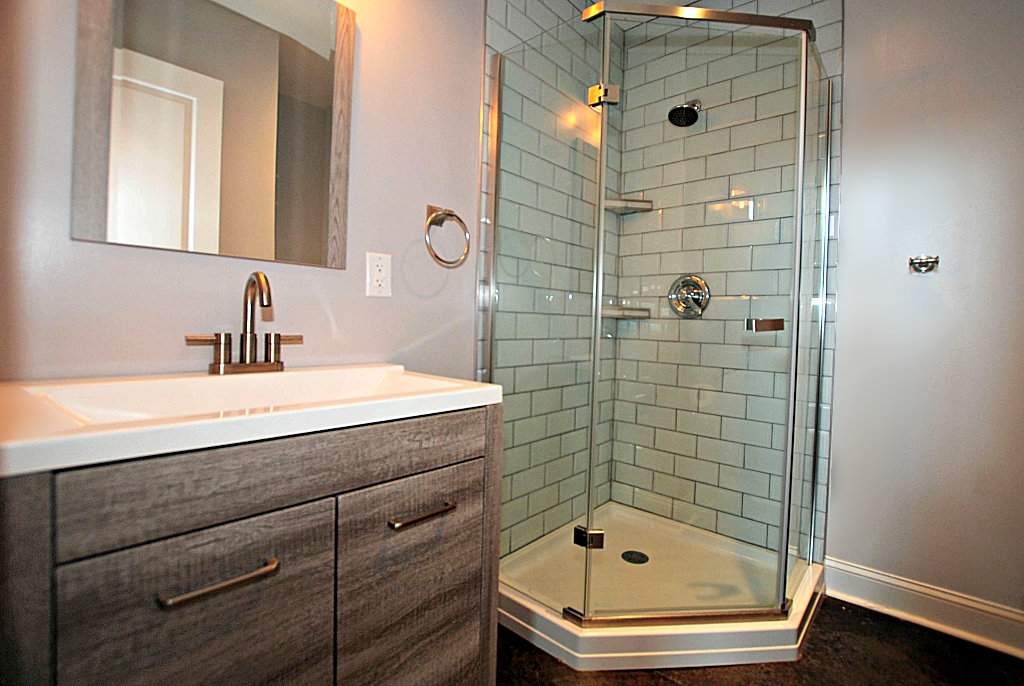
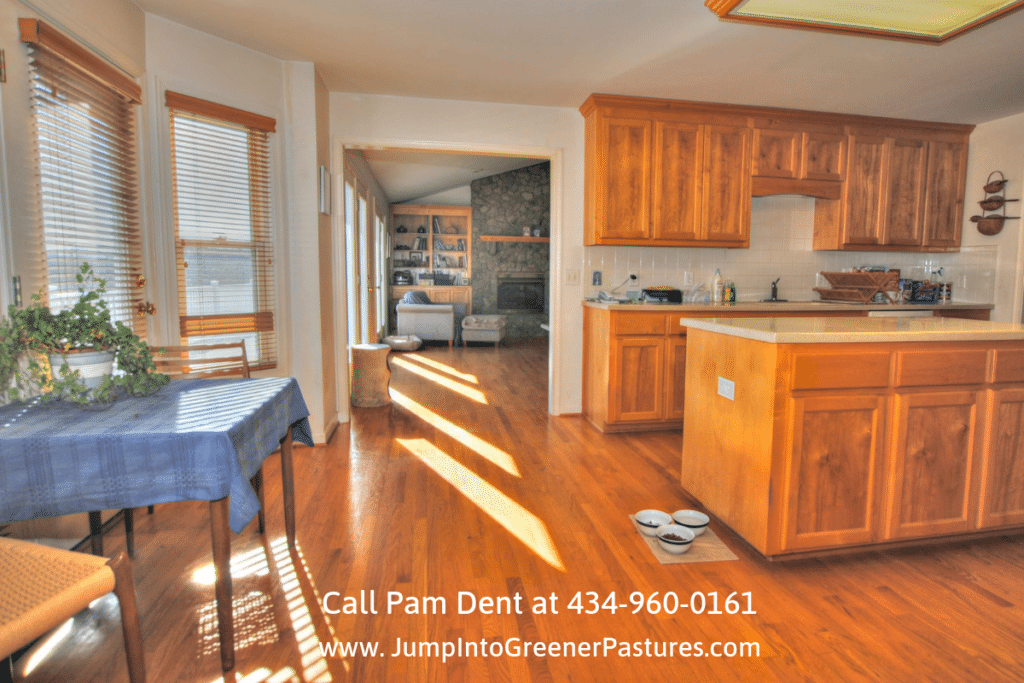
Even a highly focused horse property buyer still wants a comfortable, functional home that works for their family. And they may even value luxury appointments. The major difference is that the home is only part of a larger decision, rather than the primary deciding factor.
What matters in the home
Most horse property buyers still care about:
- Overall condition
- Cleanliness
- Liveability
- Updated primary systems
- Functional layout
- Maintenance level, no deferred maintenance
- Does the home comfortably accommodate their family
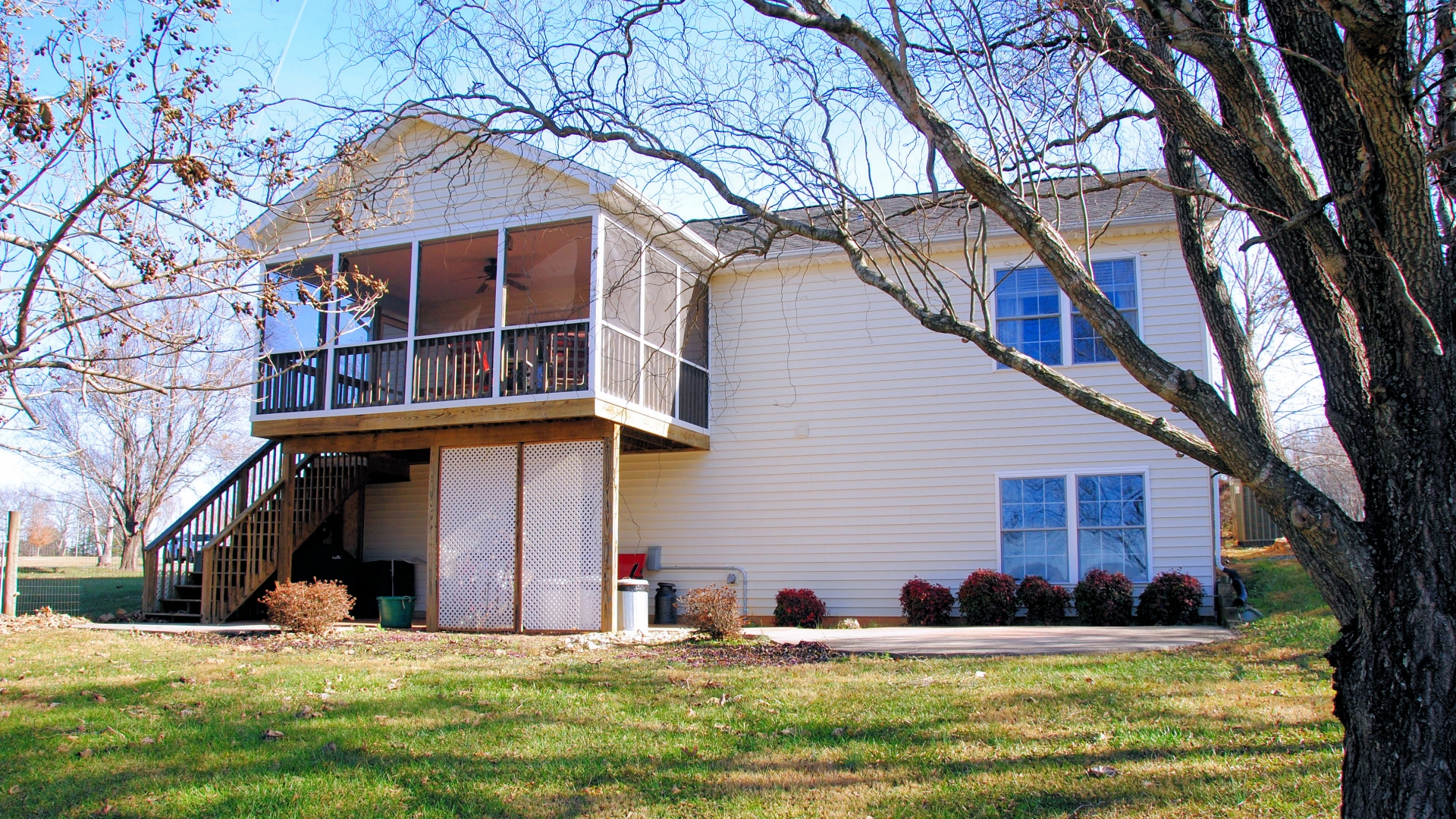
- Proximity of the home to the barn
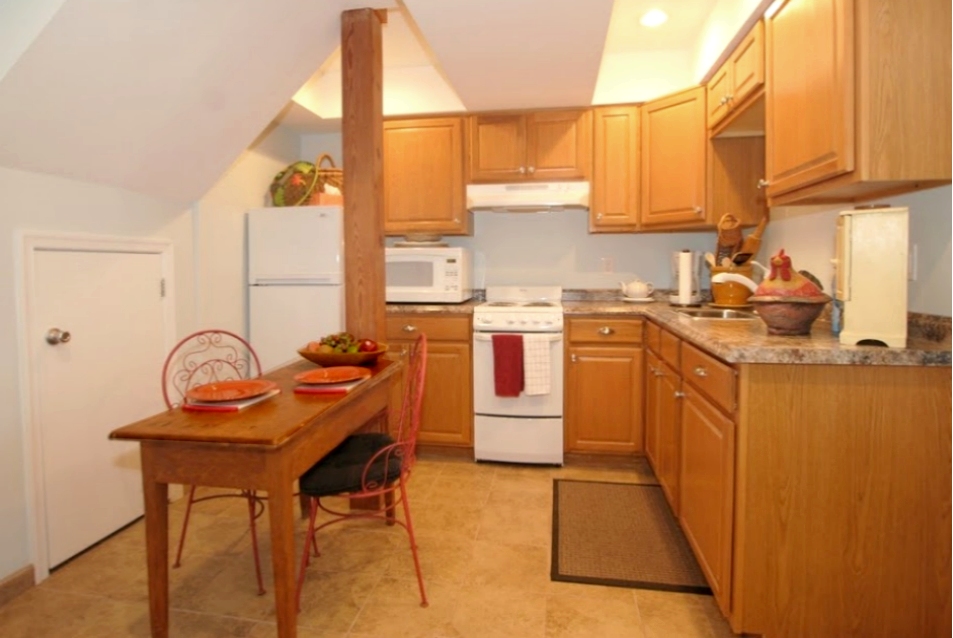
- Existence of an apartment or secondary dwelling for a farm manager or stable help
Where the seller of a Central Virginia Equestrian property may misjudge value
Some sellers invest heavily in upgrades to the home and ignore repairs to the horse features that matter more to the target buyer.
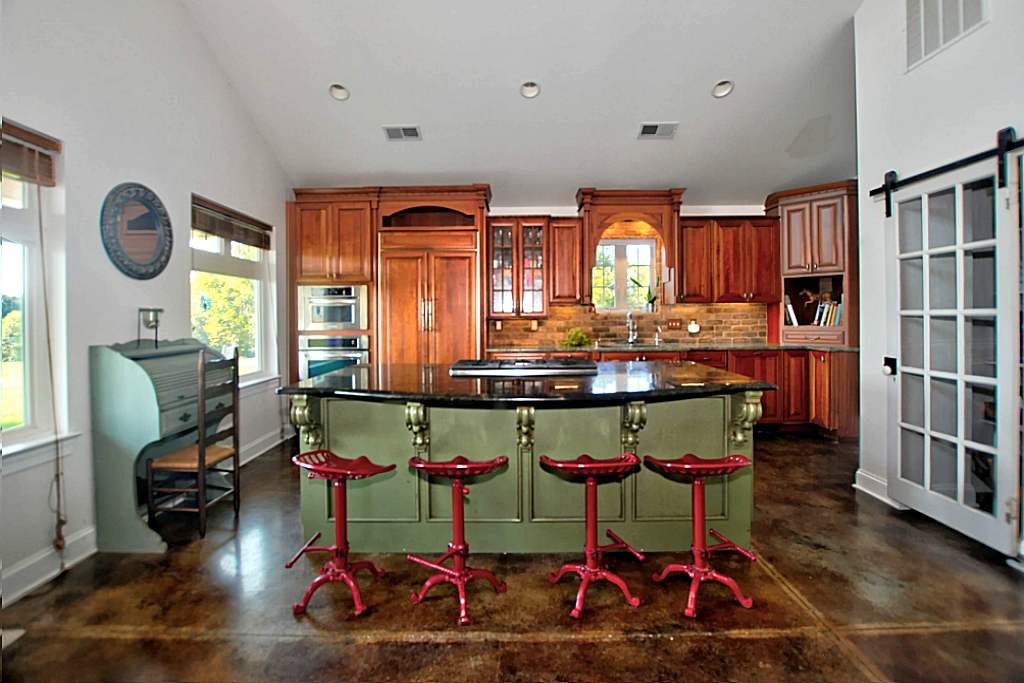
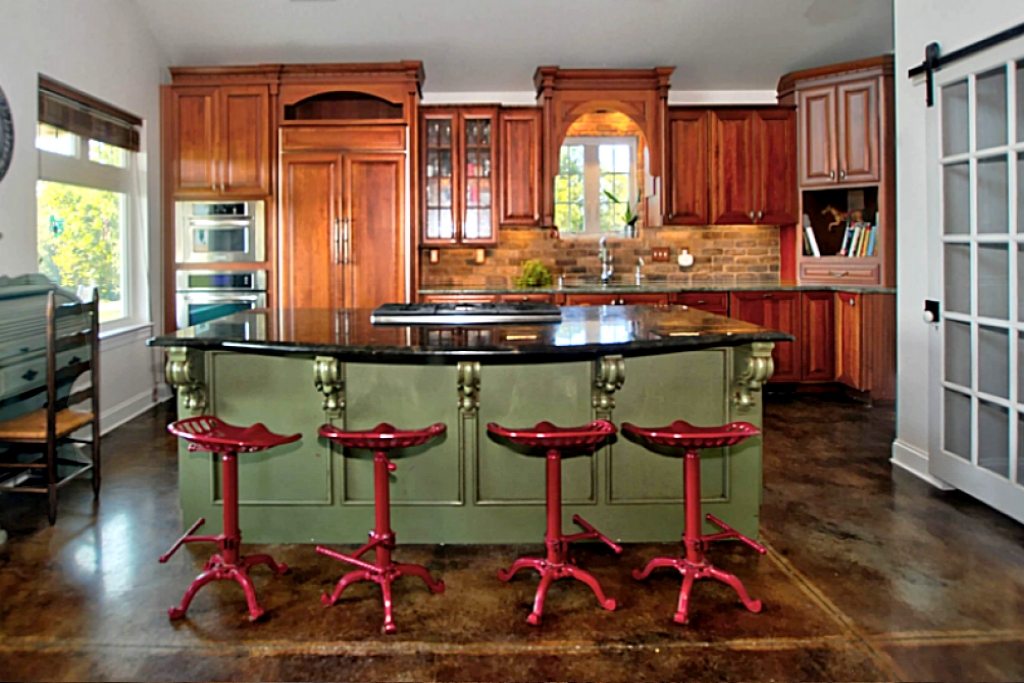
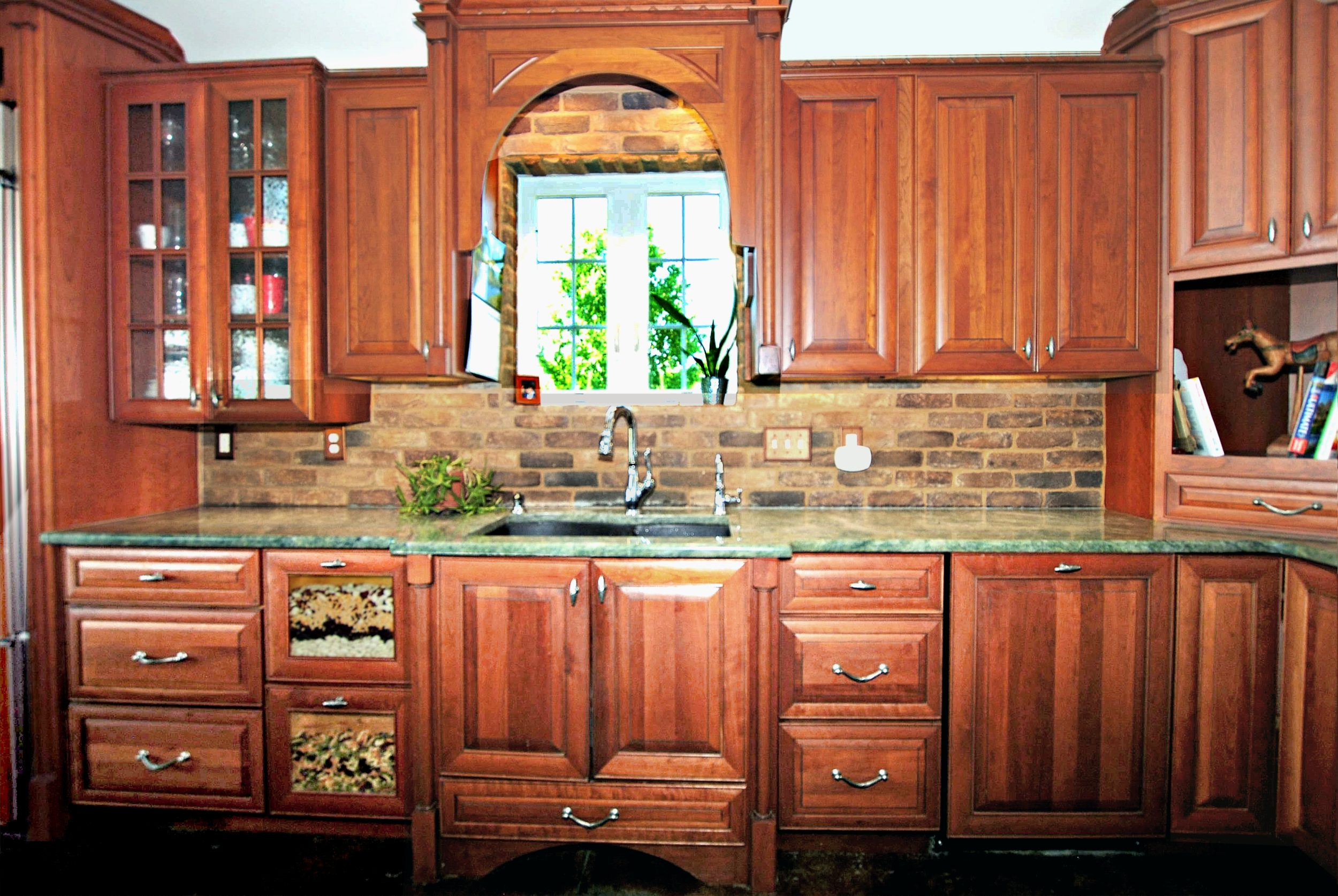
For example, a renovated luxury kitchen may not compensate for unsafe fencing, a leaking barn roof, or overgrazed pasture. That does not mean that home upgrades and improvements do not have value, but rather that seller preparation should focus on the items that an equestrian buyer will prioritize.
What Central Virginia equestrian buyers may value specifically
A Central Virginia horse farm attracts a mix of horse property buyers, which includes hobby farm buyers, private horse owners, recreational riders, professional riders with lesson or training businesses, and breeders.
Therefore, local context matters.
Features that matter in this market
- Privacy and rural setting
- Balance between seclusion and convenience
- Access to equestrian communities, trainers, shows, trails, farriers, and equine veterinarians
- Distance to feed stores and tack shops
- Commute time to towns such as Charlottesville, Richmond, Lynchburg, or Washington, D.C.
- Mixture of hobby farm, private-use, and performance buyer requirements in Central Virginia
Why local marketing when selling a Central Virginia equestrian property matters
Horse property buyers in Virginia are usually comparing one specialized property against another across several areas of the state, not just browsing general listings with acreage.
It is important for the marketing to clearly explain:
- Land use and associated tax breaks, if available
- Barn layout in detail
- Equestrian amenities
- Access, particularly for trailers and large rigs
- Infrastructure – barns, outbuildings, arenas, equipment and hay storage
- How the property functions for horses
Generic real estate descriptions miss the details that matter most to horse farm buyers.
Red flags that can turn equestrian buyers away
Even an interested buyer will be turned off if they see indications that the farm requires immediate major repairs.
Common red flags include:
- Unsafe or damaged fencing
- Overgrown pastures
- Mud resulting from poor drainage
- Barns with deferred maintenance
- Difficult trailer access and no trailer parking
- Poor paddock layout
- Water concerns
- Overgrazed paddocks
- Overstated usable acreage
- Misleading photos
- Pricing based on emotion rather than current market facts
The property does not have to be perfect in order to attract buyers. But horse farm sellers do need to understand what problems buyers will notice and how those problems are likely to affect perceived value.
How horse property sellers can prepare before listing
Preparing an equestrian property for sale does not just involve cleaning up. Instead, it is key to make the property easy for the right buyer to understand and trust.
Improve horse feature function first
Before putting your Central Virginia horse farm on the market, sellers should concentrate on addressing the issues that buyers will notice immediately.
This includes:
- Repairing fencing and painting if needed
- Clearing trailer paths and grading farm roads
- Improving the appearance of the farm and barn entrances
- Addressing any drainage issues
- Organize tack, feed, and storage areas
- Remove cobwebs in barns
- Remove or spread manure
- Mow fields and weed at fence lines
- Grade and drag arenas
Compile useful property information
Well-prepared sellers make it easier for buyers to understand and become comfortable with the property.
Helpful materials include if available
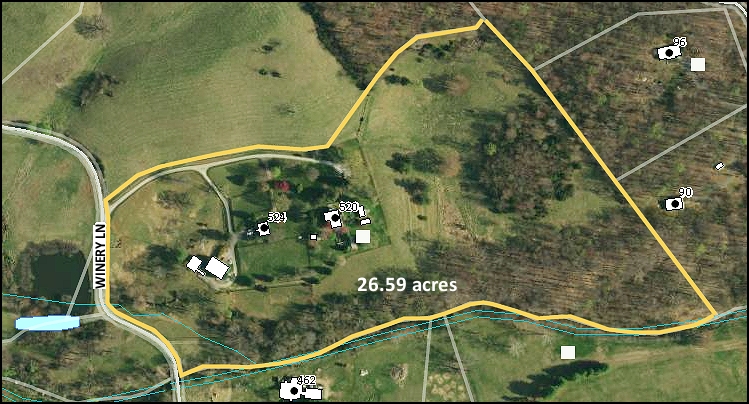
- Survey and plat
- Acreage details such as number and size of paddocks and fields
- Barn specifications, number and size of stalls
- Fence and paddock information
- Arena dimensions and type of footing
- Well and septic details, including county permits if available, and maintenance records
- List and dates of improvements
- Ages of barn and house roofs
- Utility information
- Basic maintenance history
This information can reduce buyer uncertainty and improve confidence.
Market the property specifically for equestrian buyers, not just for acreage buyers
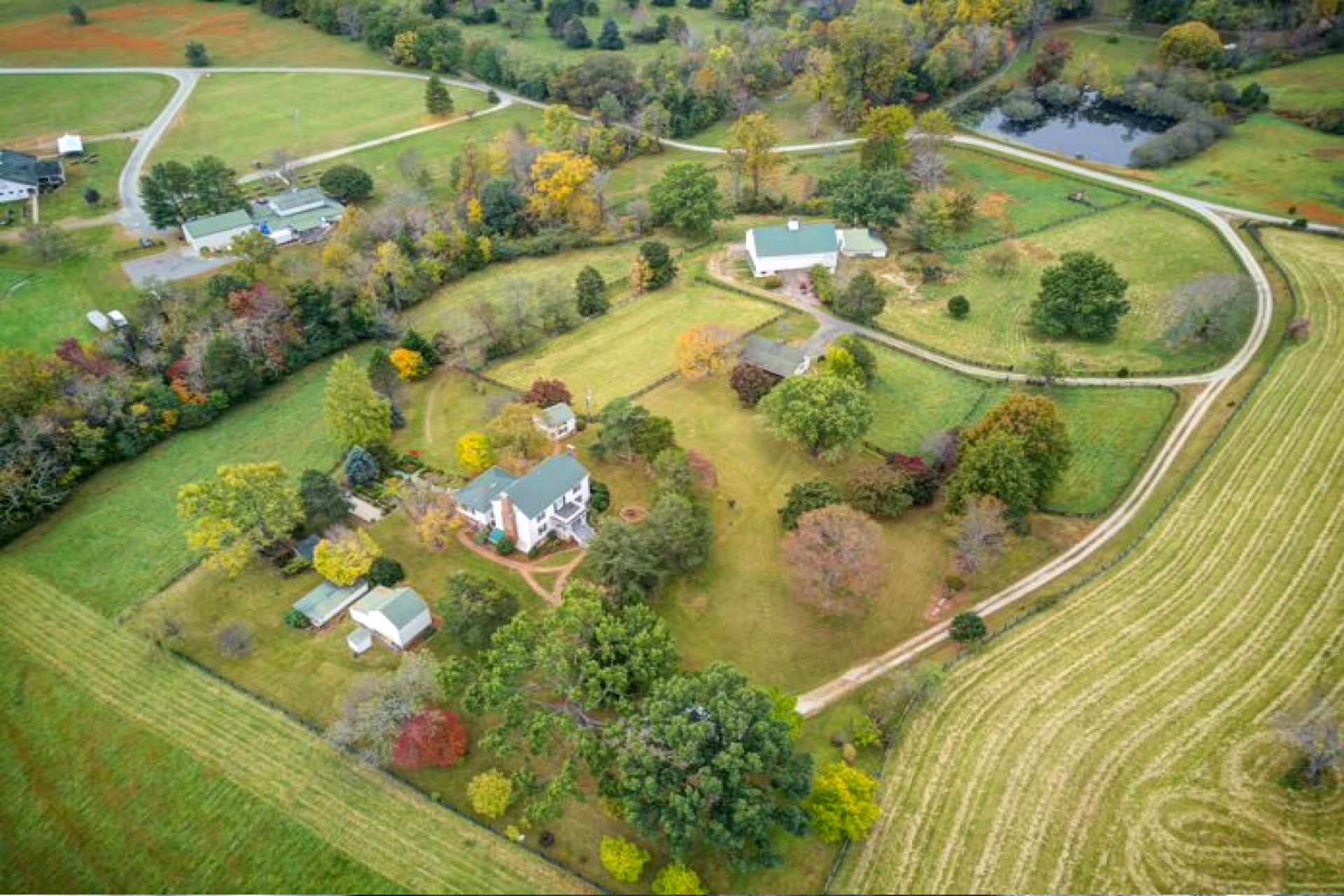
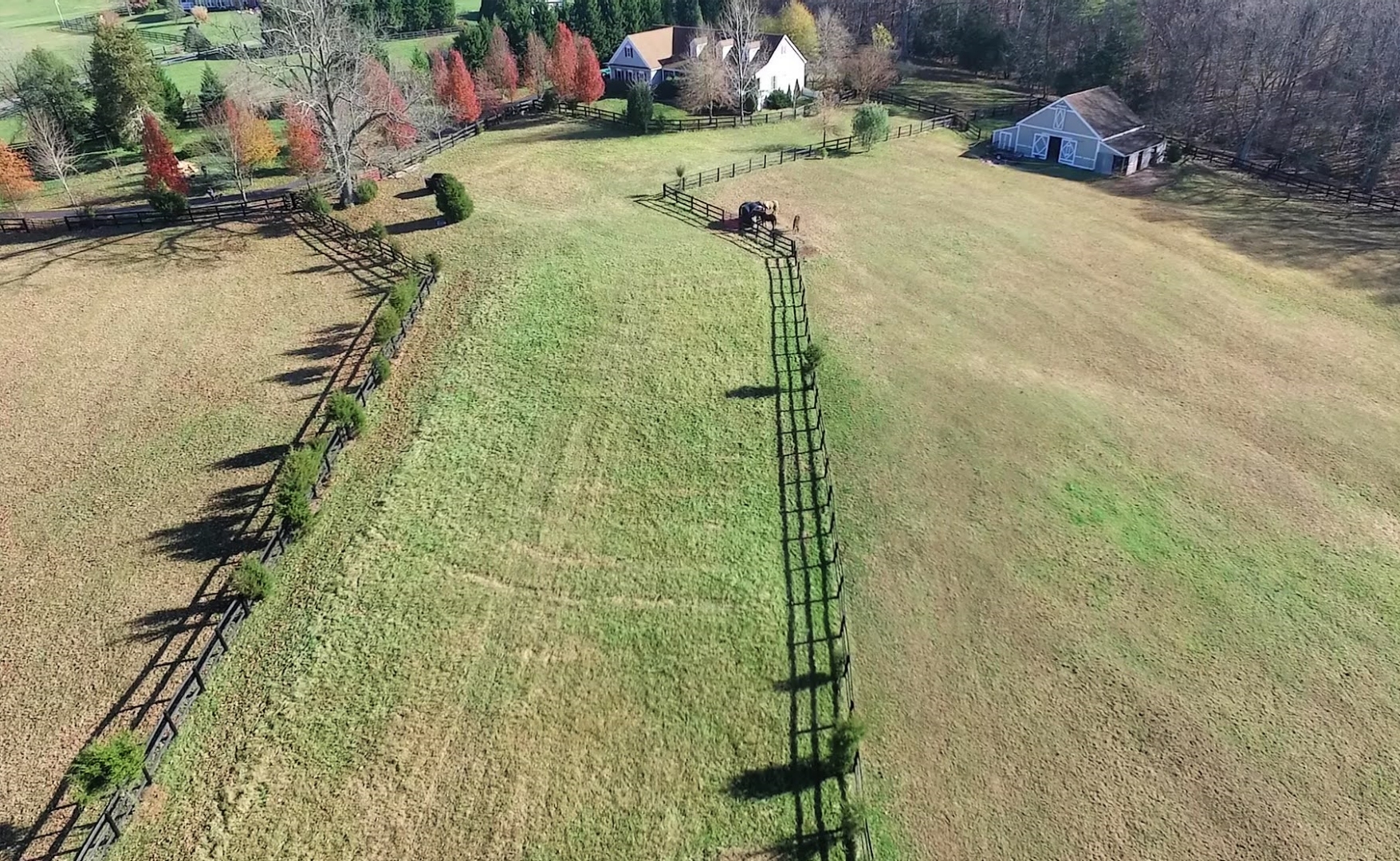
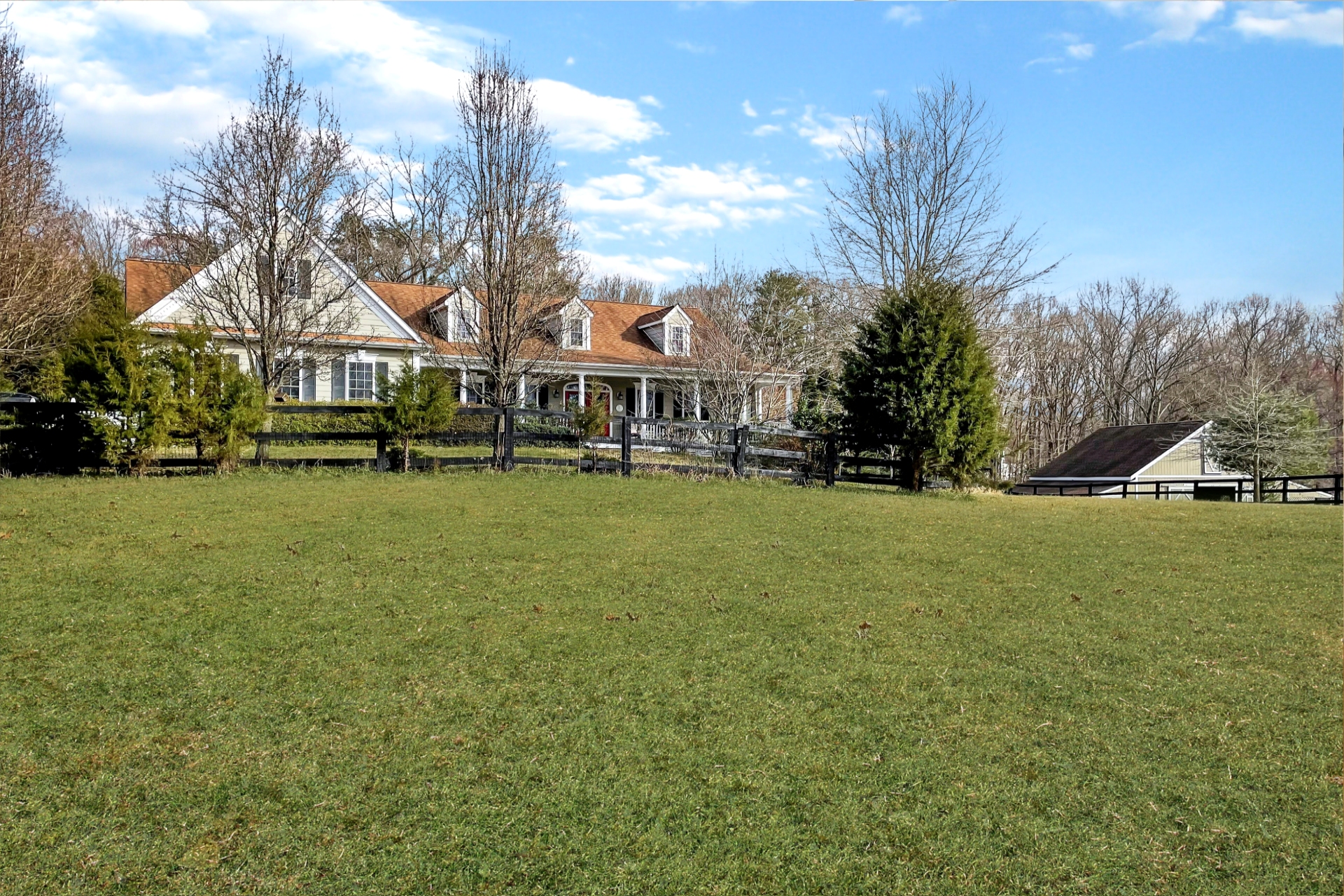
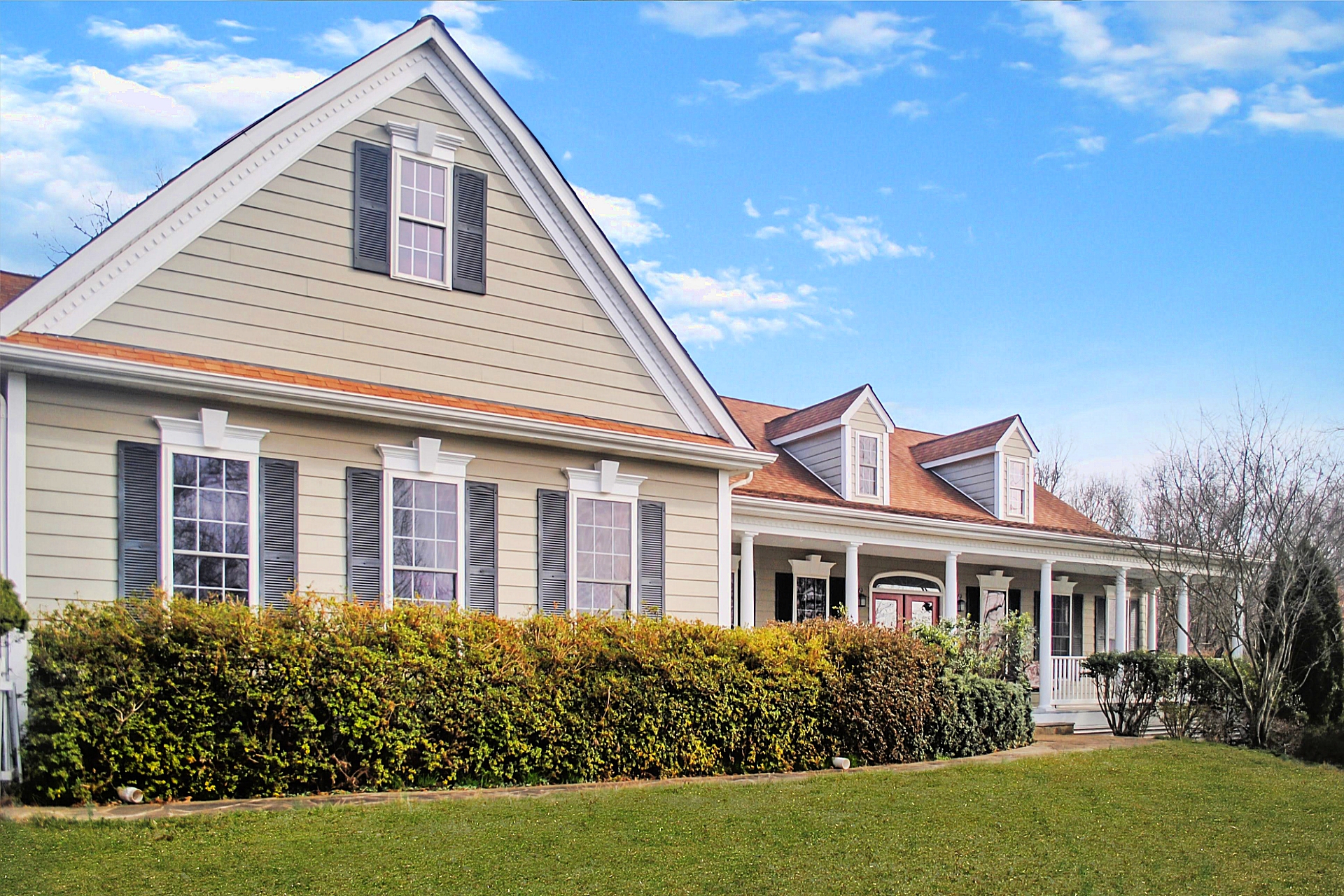
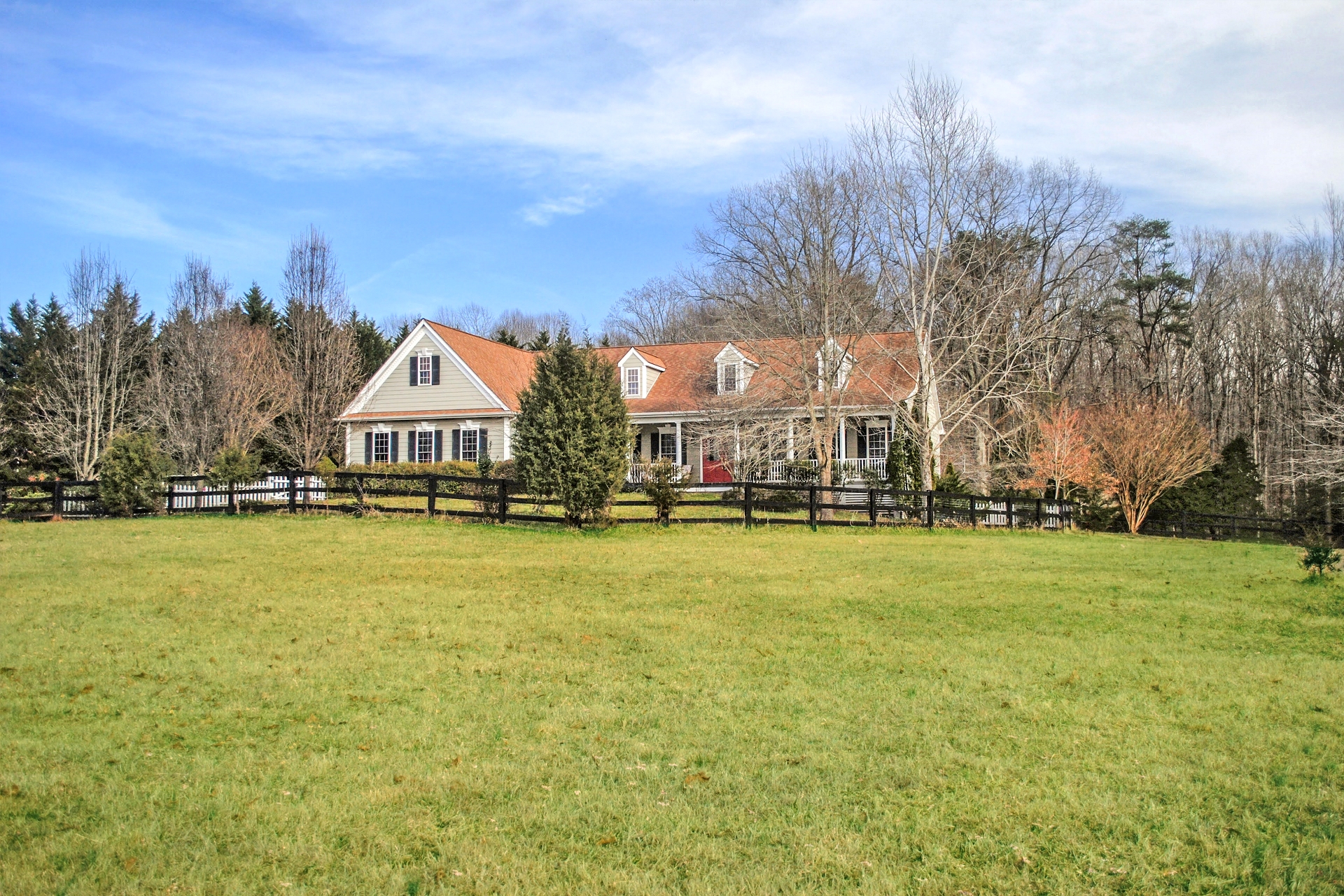
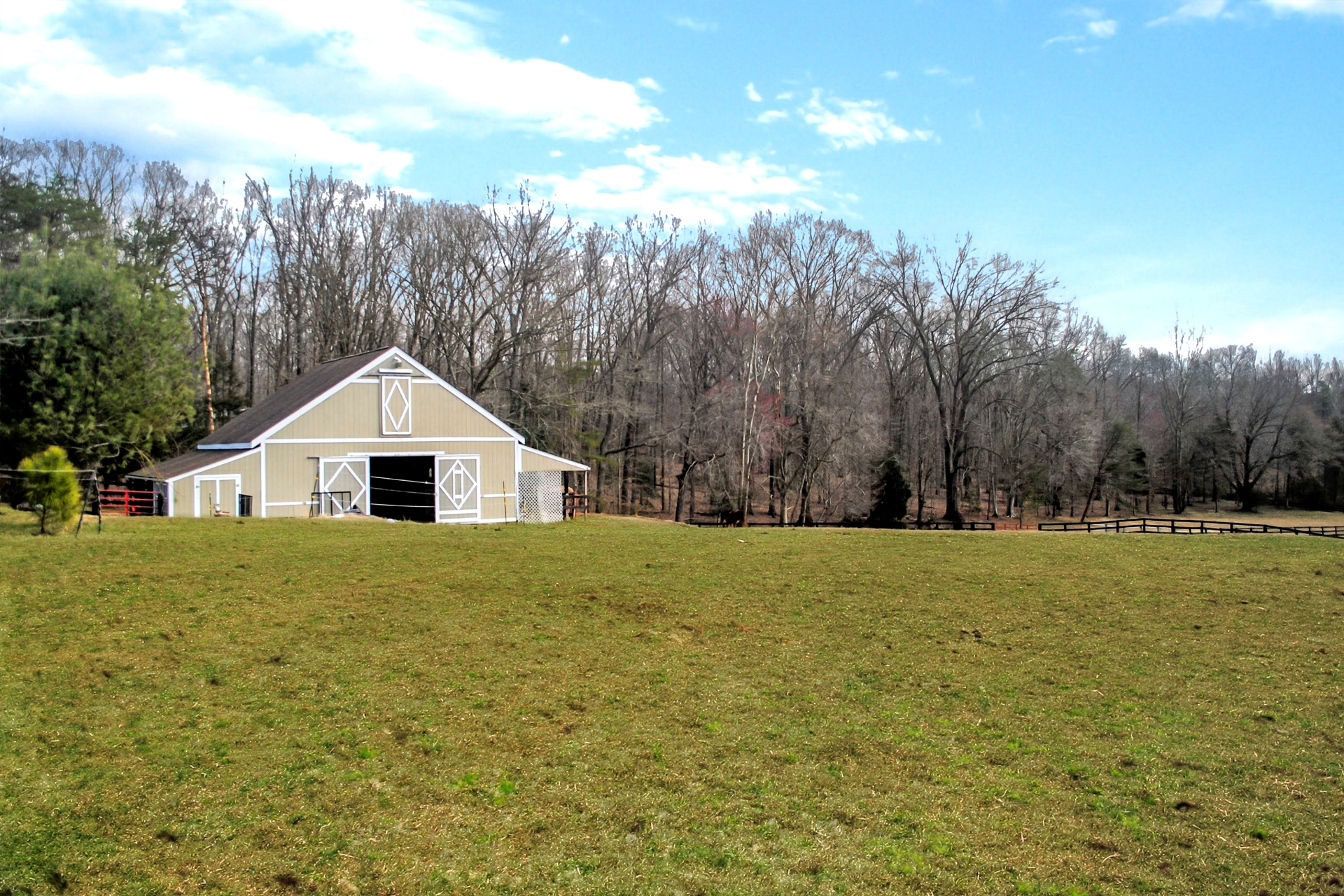
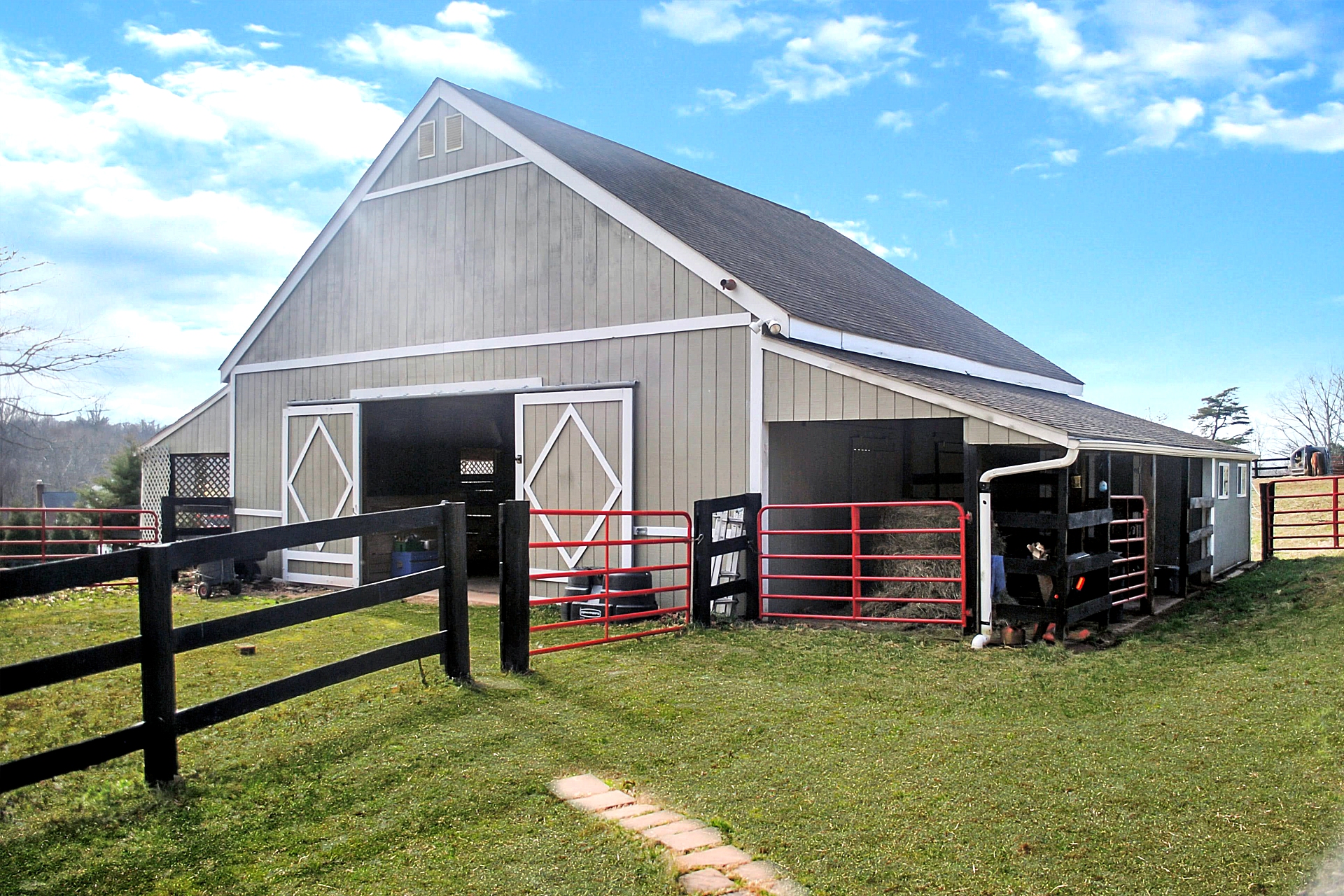
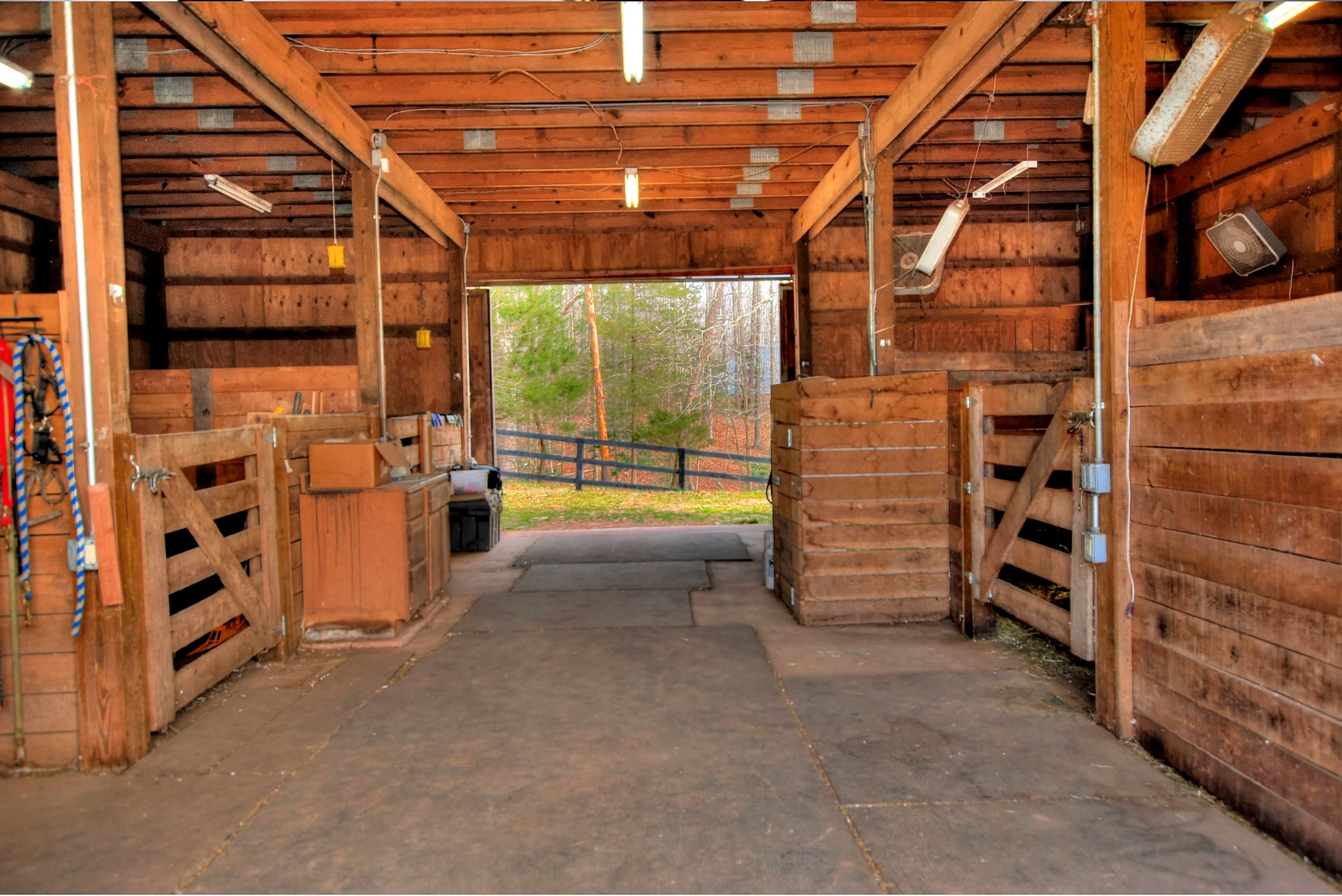
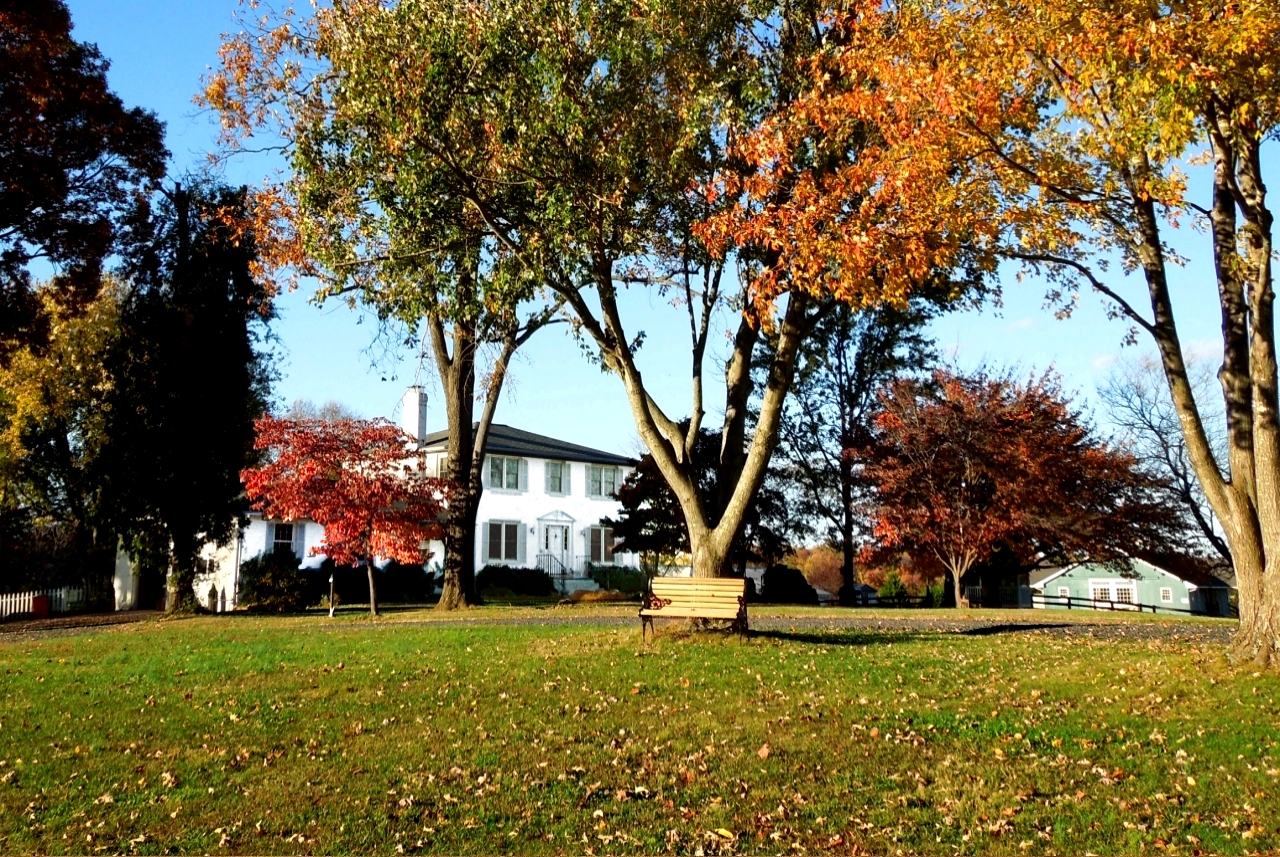
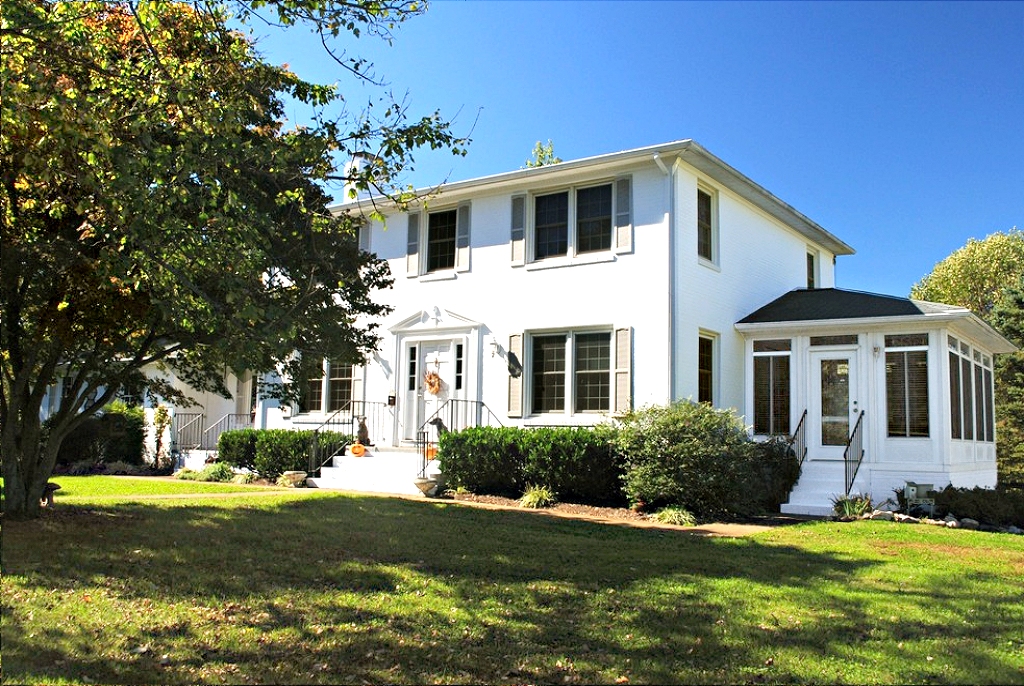
Photos and listing descriptions should highlight functionality for horses, not just the property’s beauty. Have photos of the barn and horse amenities at the front of the listing. Equestrian buyers do not want to be required to scroll through 20 photos of the home before seeing the barn.
A horse farm seller will want to highlight:
- Barn layout
- Interior and exterior pictures of the barn
- Fencing
- Pasture setup
- Riding areas and arenas
- Access points
- Equipment storage
- Property flow
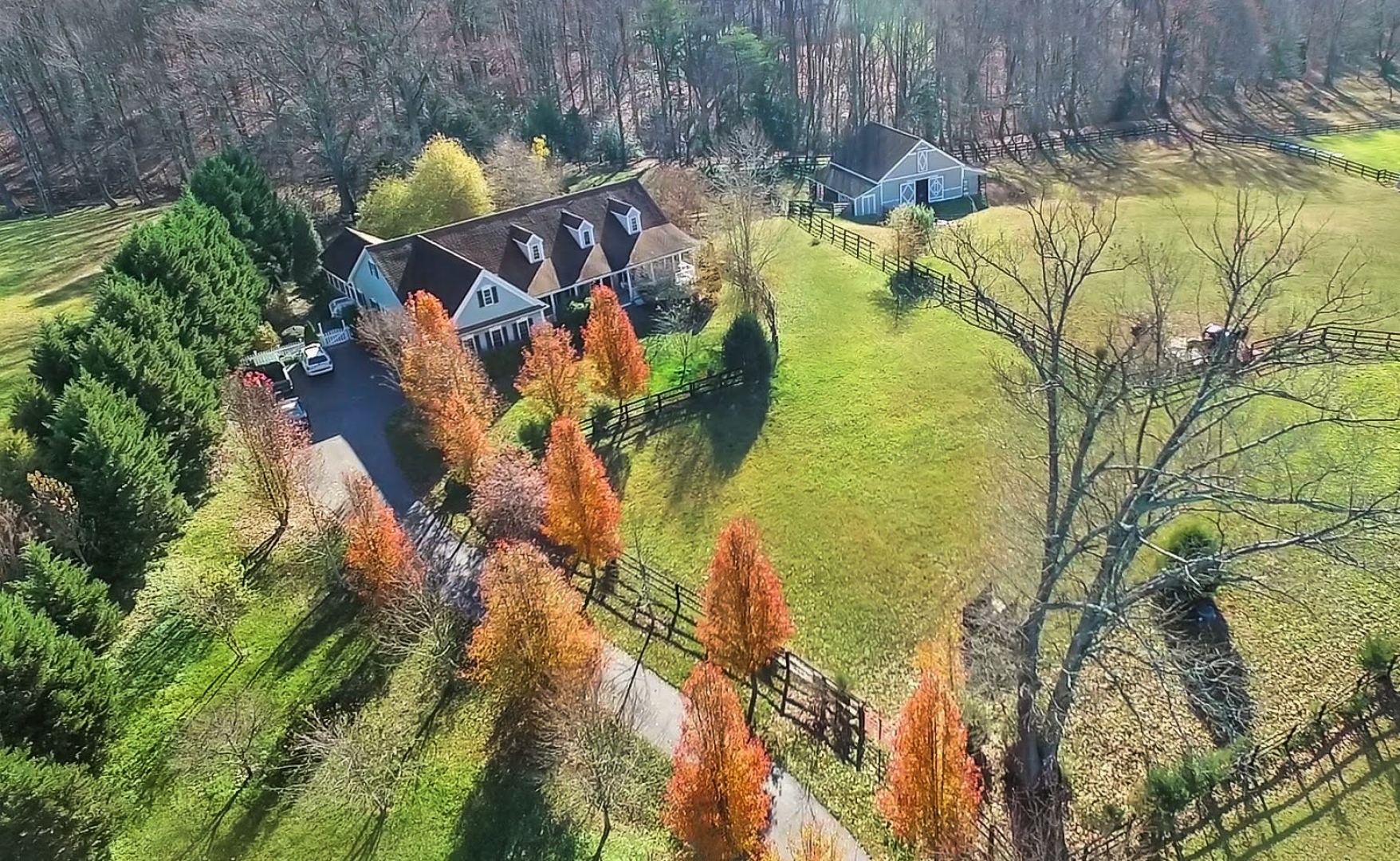
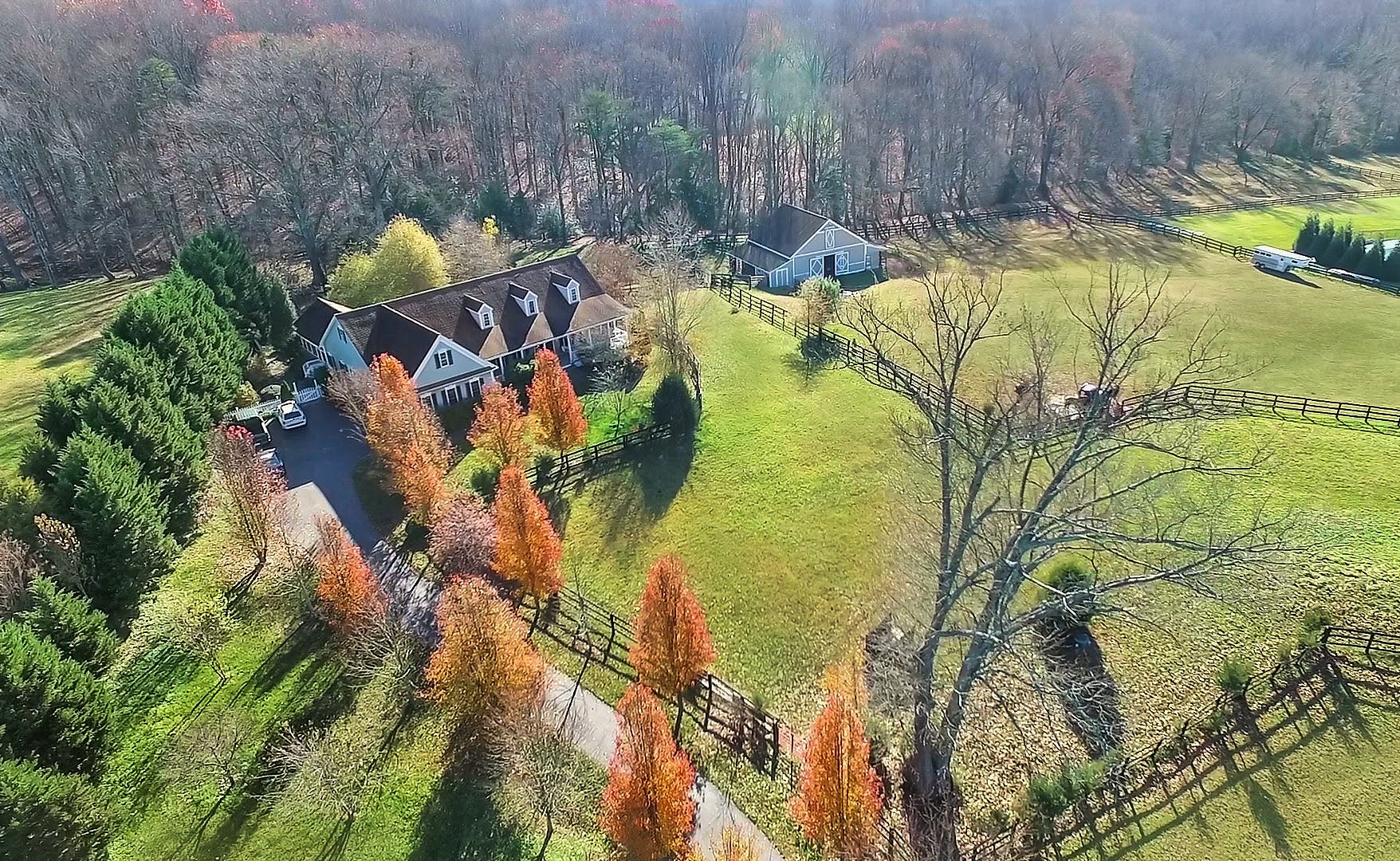
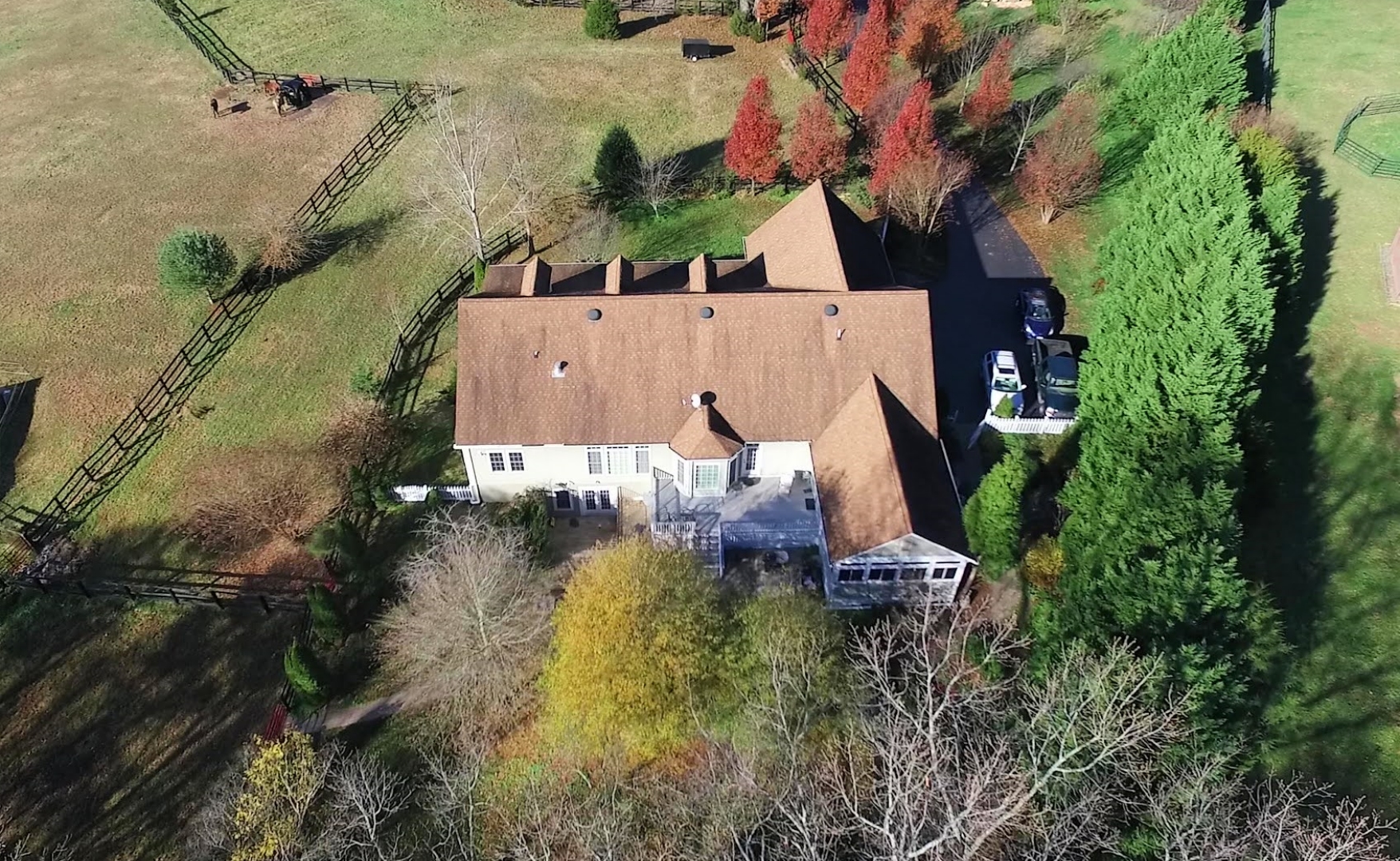
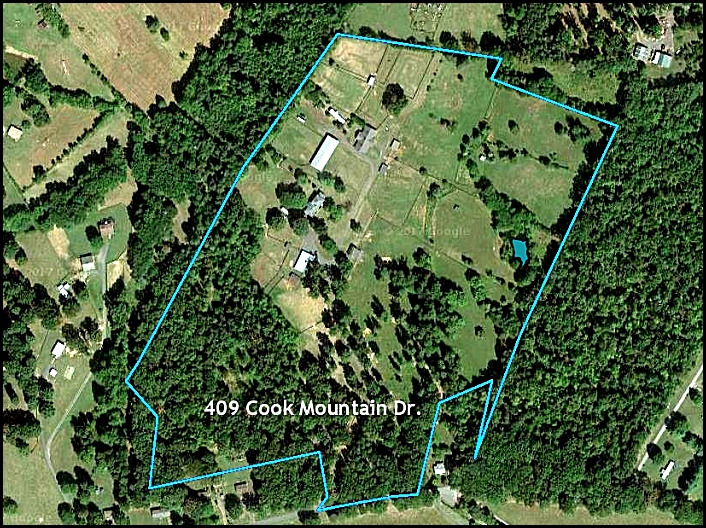
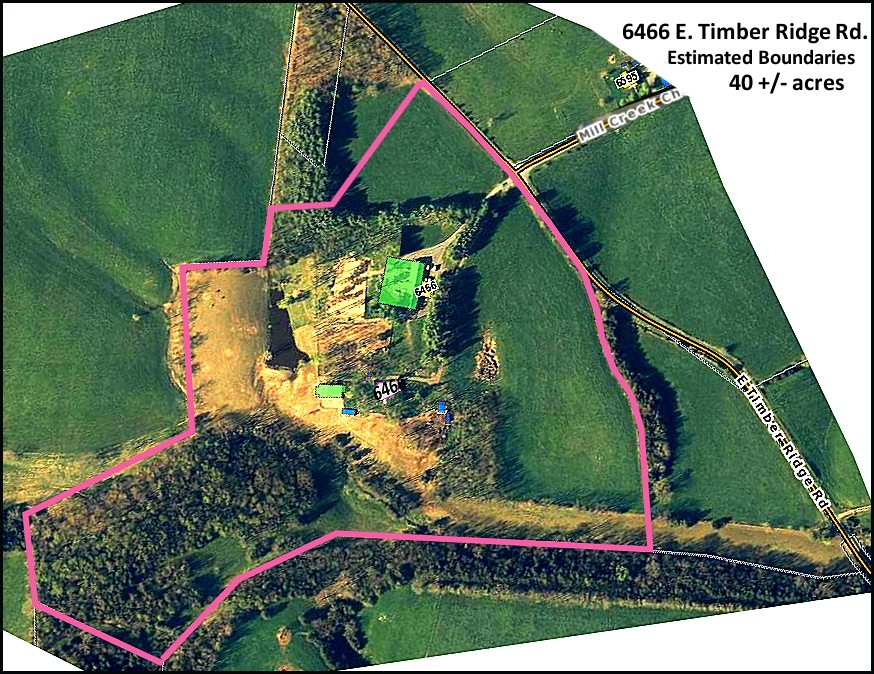
- Drone videos and aerial photos are important to show the layout and flow of the property.
A standard residential listing can omit the very features that equestrian buyers want to see. It is crucial to speak to the equestrian buyer, not just to general homebuyers.
Pricing strategy is important with equestrian properties
Pricing a horse farm or equestrian property is not the same as pricing a residential home with more acreage.
Buyers are not only looking at square footage, bedroom count, and architectural details. They are also comparing:
- Usable acreage
- Barn and property functionality
- Stall count
- Arena quality
- Fencing
- Water availability and setup
- True horse readiness. We talk about a home being move-in ready, but is the farm also move-in ready for your horses?
This is what comparable sales need to reflect equestrian or farm property value whenever possible, not just nearby homes on acreage. It may be necessary to extend the search to a larger area in order to get the closest comparables.
If a seller prices only on the home features, they are likely to miss what the buyer is actually valuing. Instead, a seller who prices based on equestrian property utility and current market demand places his property in a stronger position.
It helps to work with an agent who understands horse properties
Equestrian properties benefit from specialized positioning.
An agent who is experienced with listing and selling equestrian properties and horse farms can help sellers:
- Identify the features equestrian buyers care about
- Price the property based on function, not just appearance
- Build listing remarks around horse farm value, speaking to the equestrian buyer, not simply general homebuyers
- Show the layout clearly through photos and marketing
- Understand how niche marketing matters with specialized properties
- Can market and sell unique properties
- Target the right buyer pool and can speak to the horse property buyer in “their language”
- Anticipate buyer questions about land, barns, fencing, and use
- Showing strategy for rural and farm properties
Bottom line
Buyers for Central Virginia equestrian properties want safe, functional, and well-maintained equestrian properties with safe, usable land and practical horse infrastructure that works in real life.
The house still matters. Presentation and making a good first impression matter. Pricing matters. But when selling a horse property, buyers will often make their final decision based on how well the property works for their horses.
Sellers of horse farms in Virginia who prepare their property for the market with consideration of these priorities will position their farm to attract serious buyers and stronger offers.
Frequently asked questions
It depends on the buyer’s goals, number of horses, and more about how much of the land is actually usable, and set up for horses.
It can, especially if it is functional and well maintained. Buyers usually look at size, footing, drainage, and usability. An arena with problems may offer potential, but buyers often account for improvement costs.
Preferences vary, but most buyers prioritize safety, visibility, and condition. Secure, well-maintained fencing generally creates a stronger impression than fencing that looks patched together or neglected.
Many buyers evaluate the horse setup first, especially if they are actively shopping for a horse property rather than a home with acreage. The house still matters, but the horse infrastructure often carries more weight early in the decision.
Start with the features buyers notice most: fencing, pasture presentation, drainage, trailer access, barn condition, and overall organization. Then gather useful property details and market the property based on function, not just appearance.
 Why donate an easement to the TJSWCD?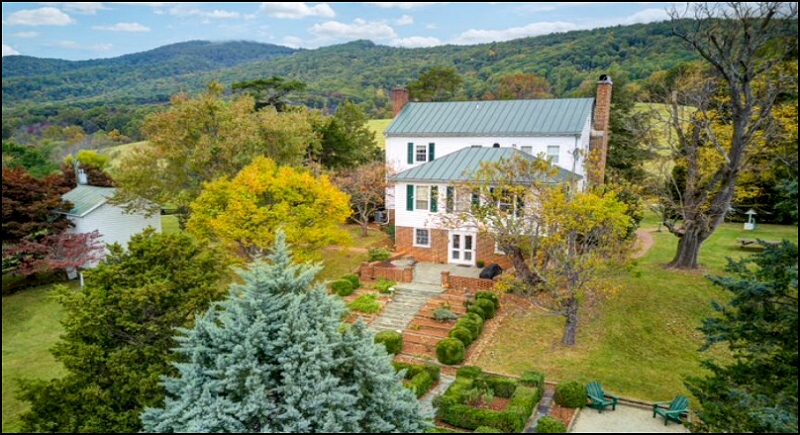
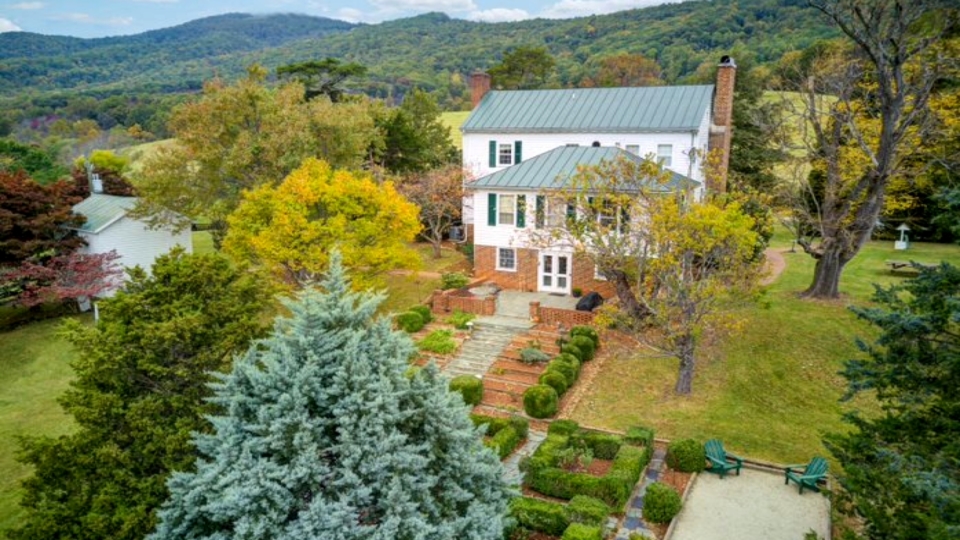

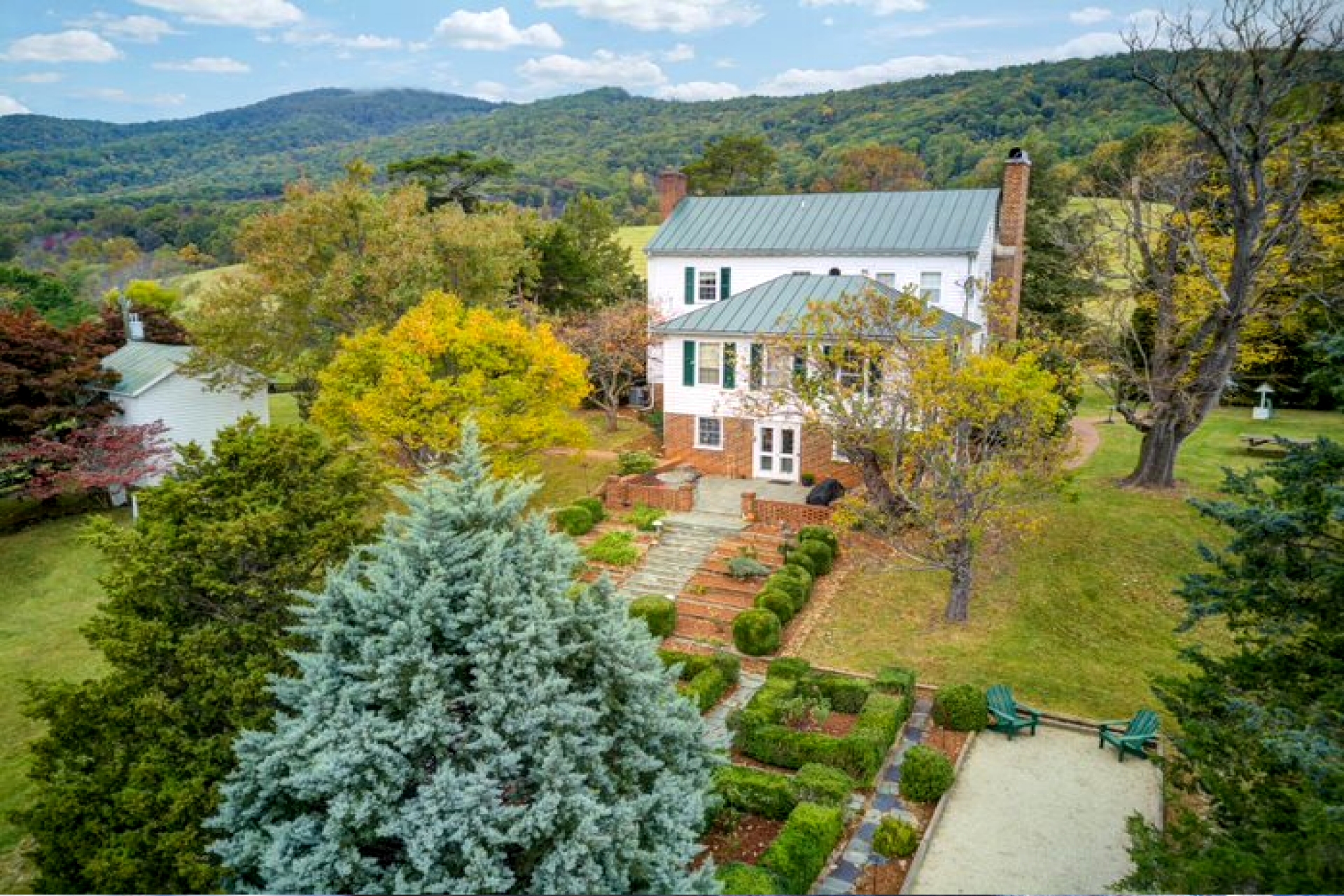
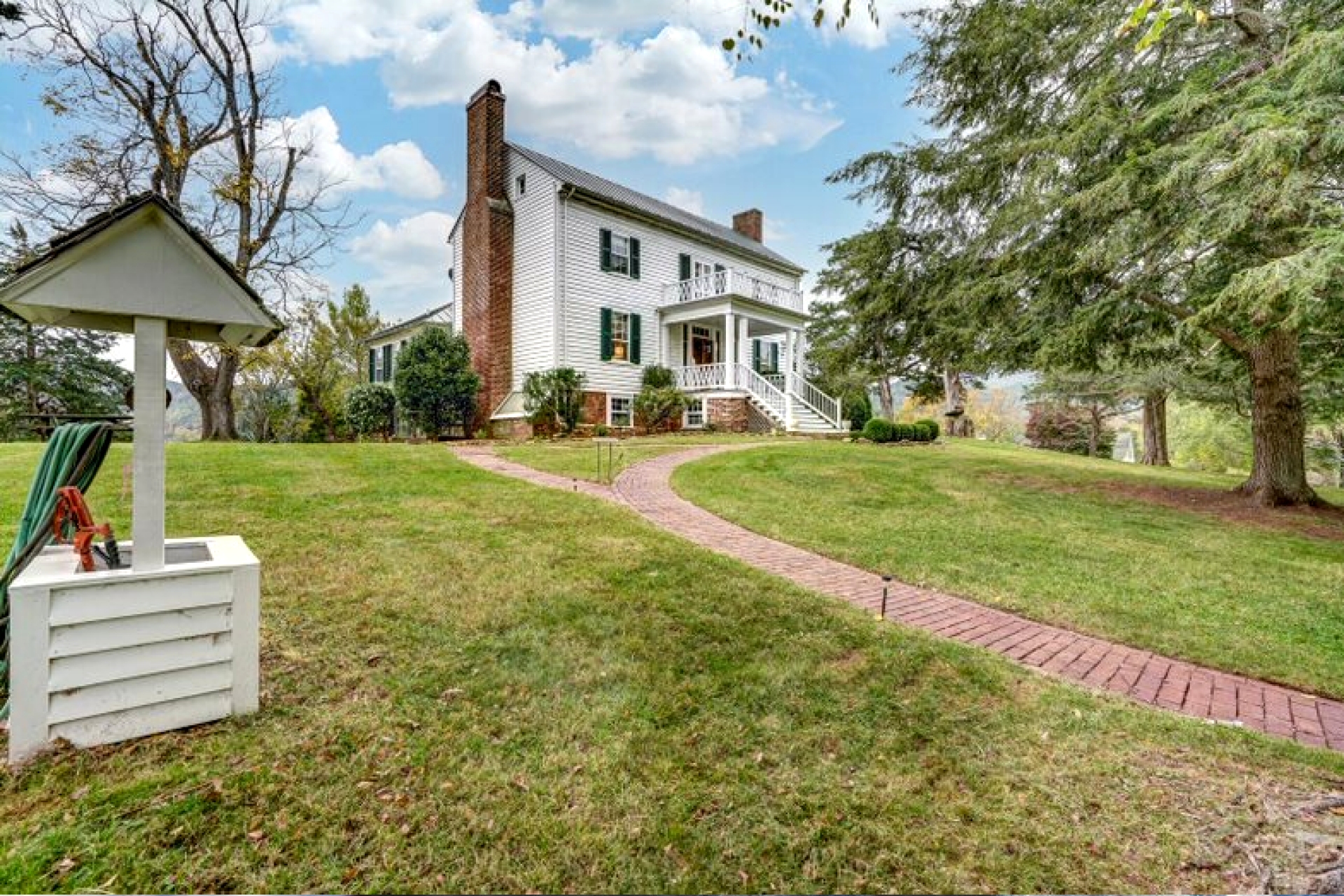
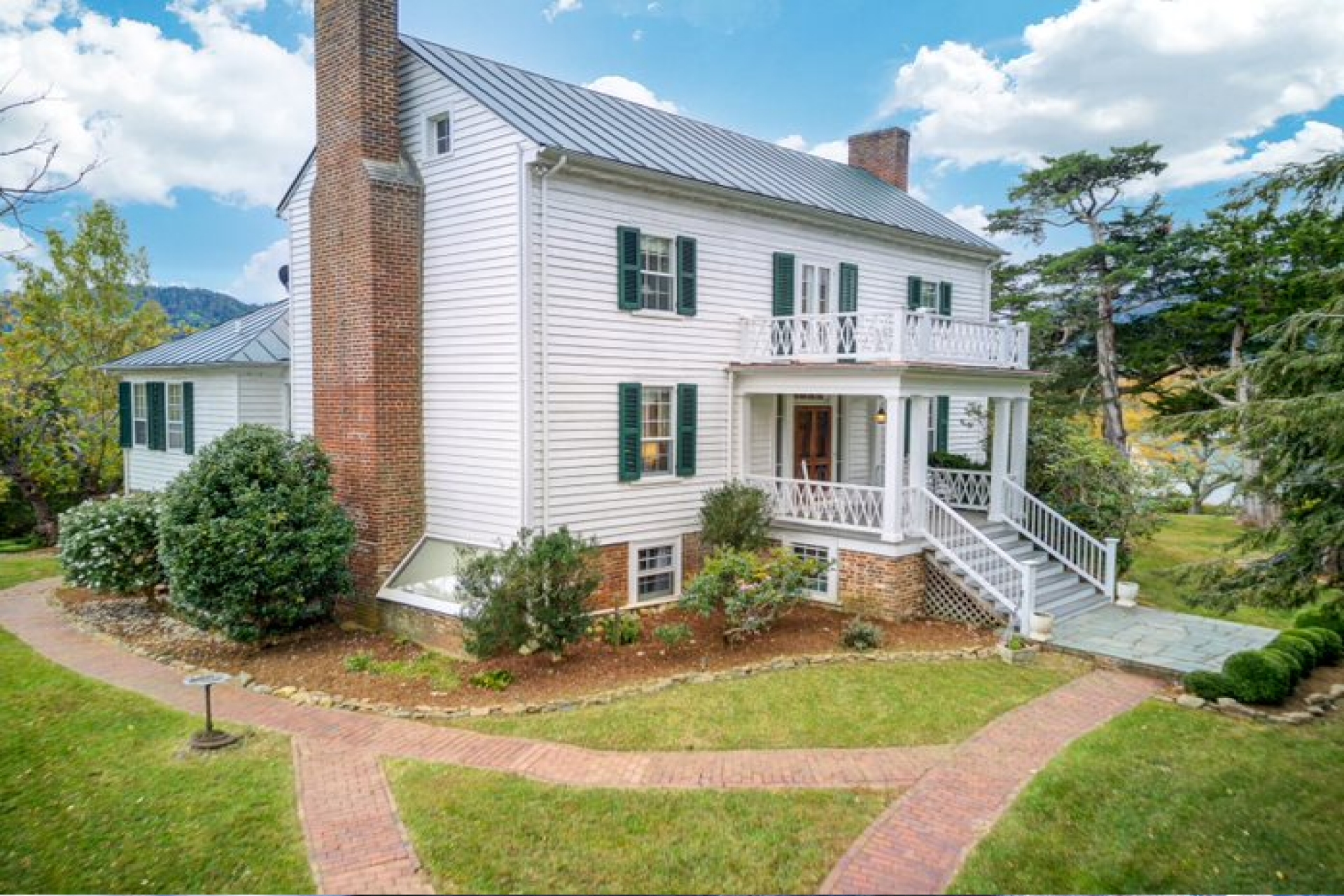
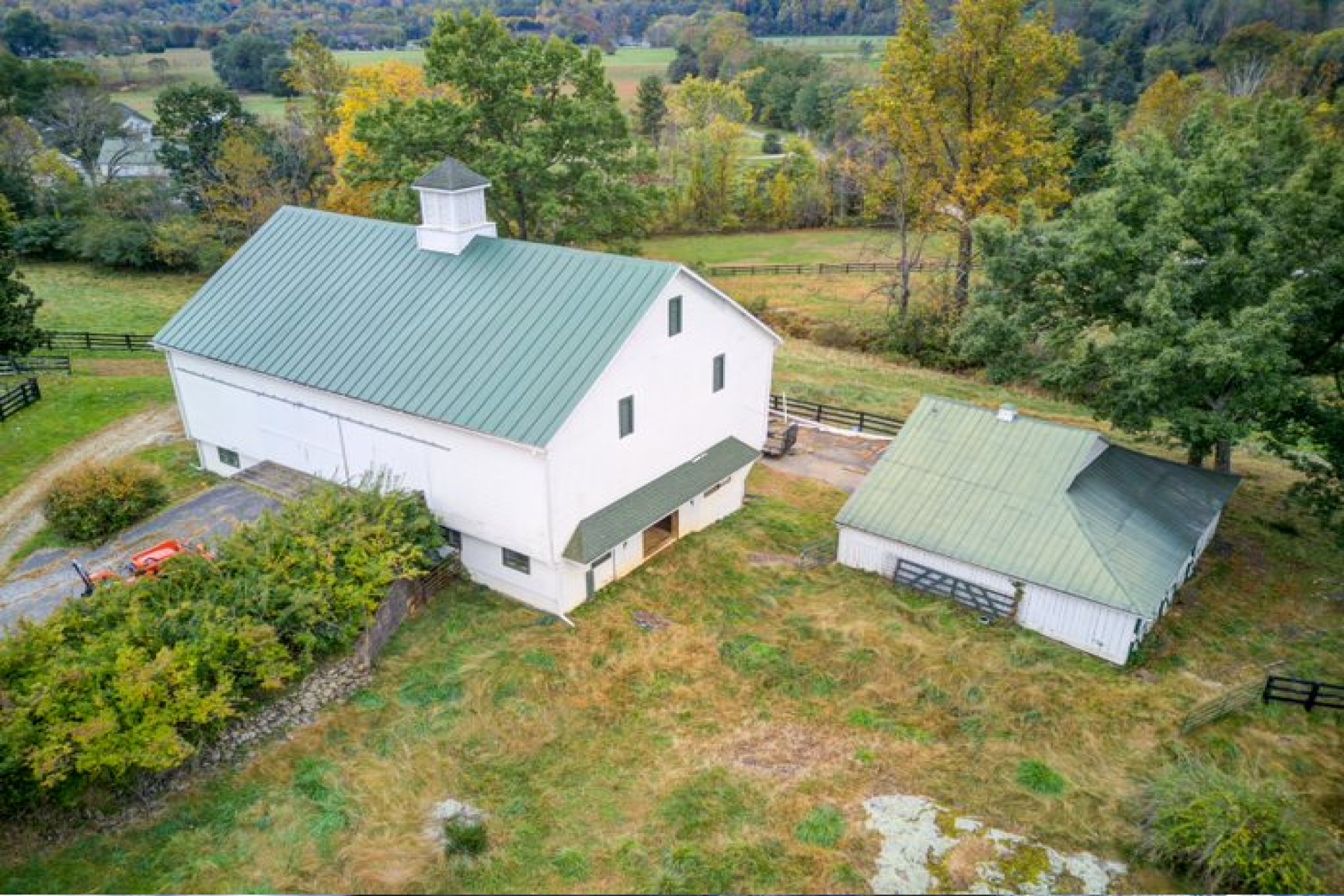
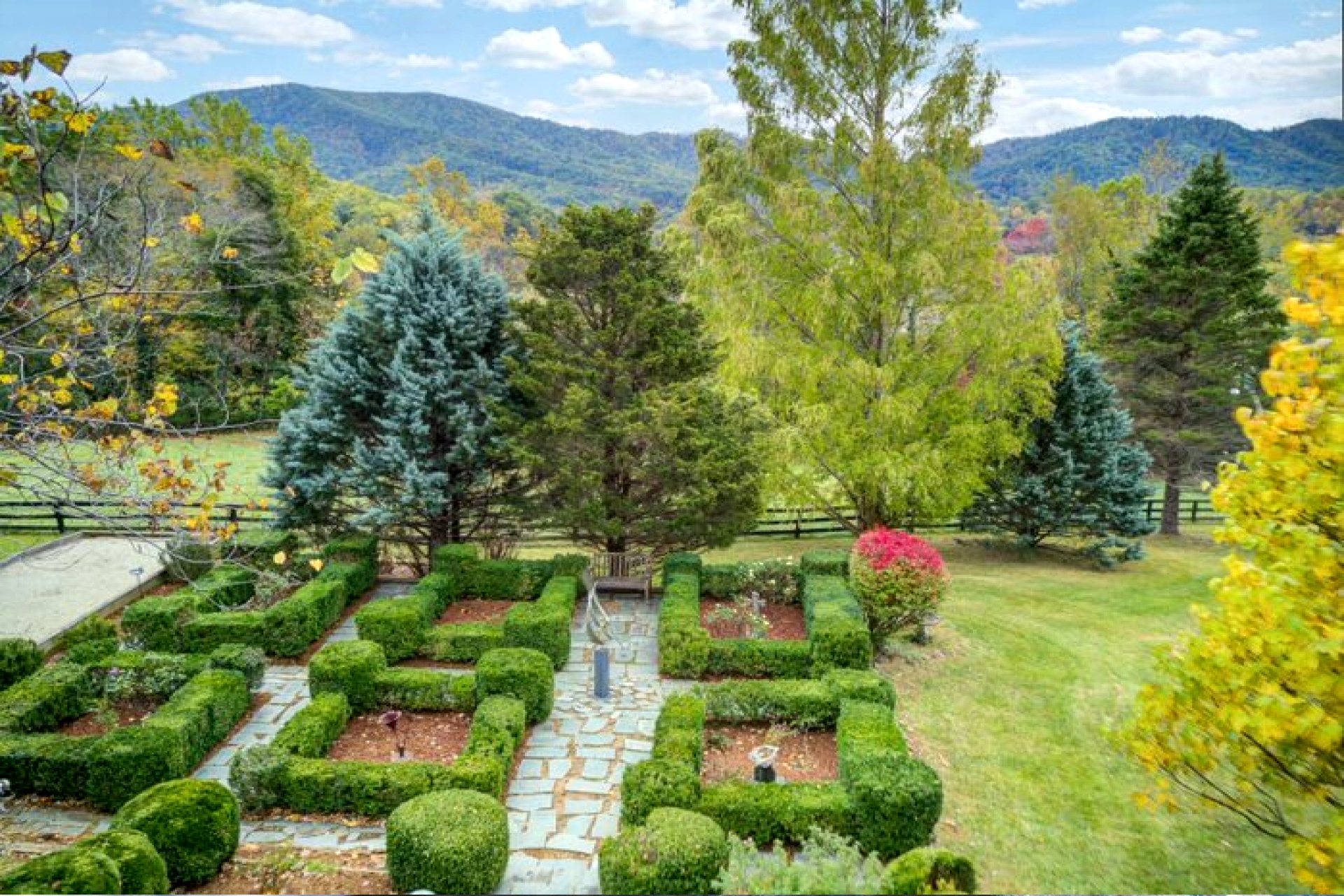
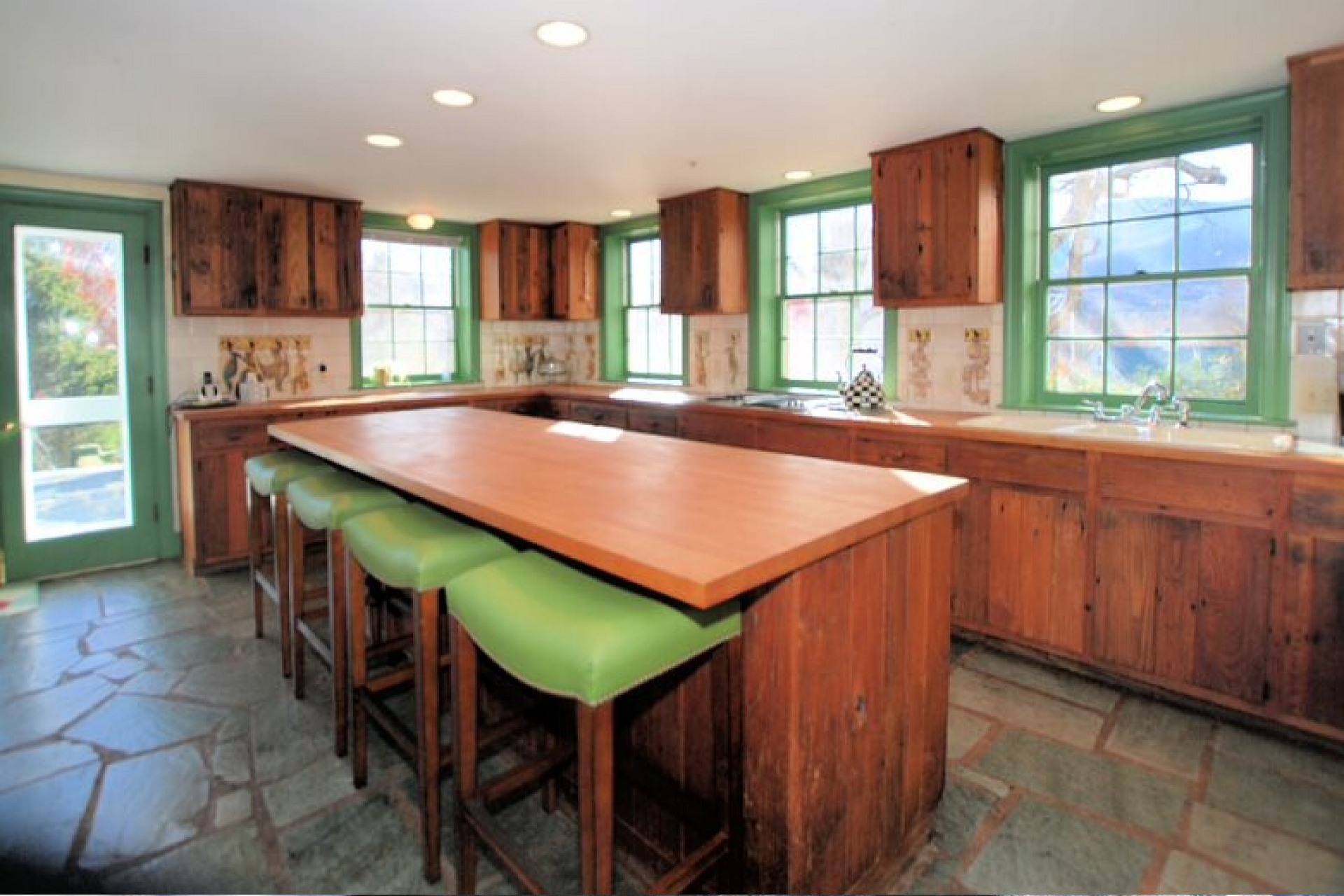
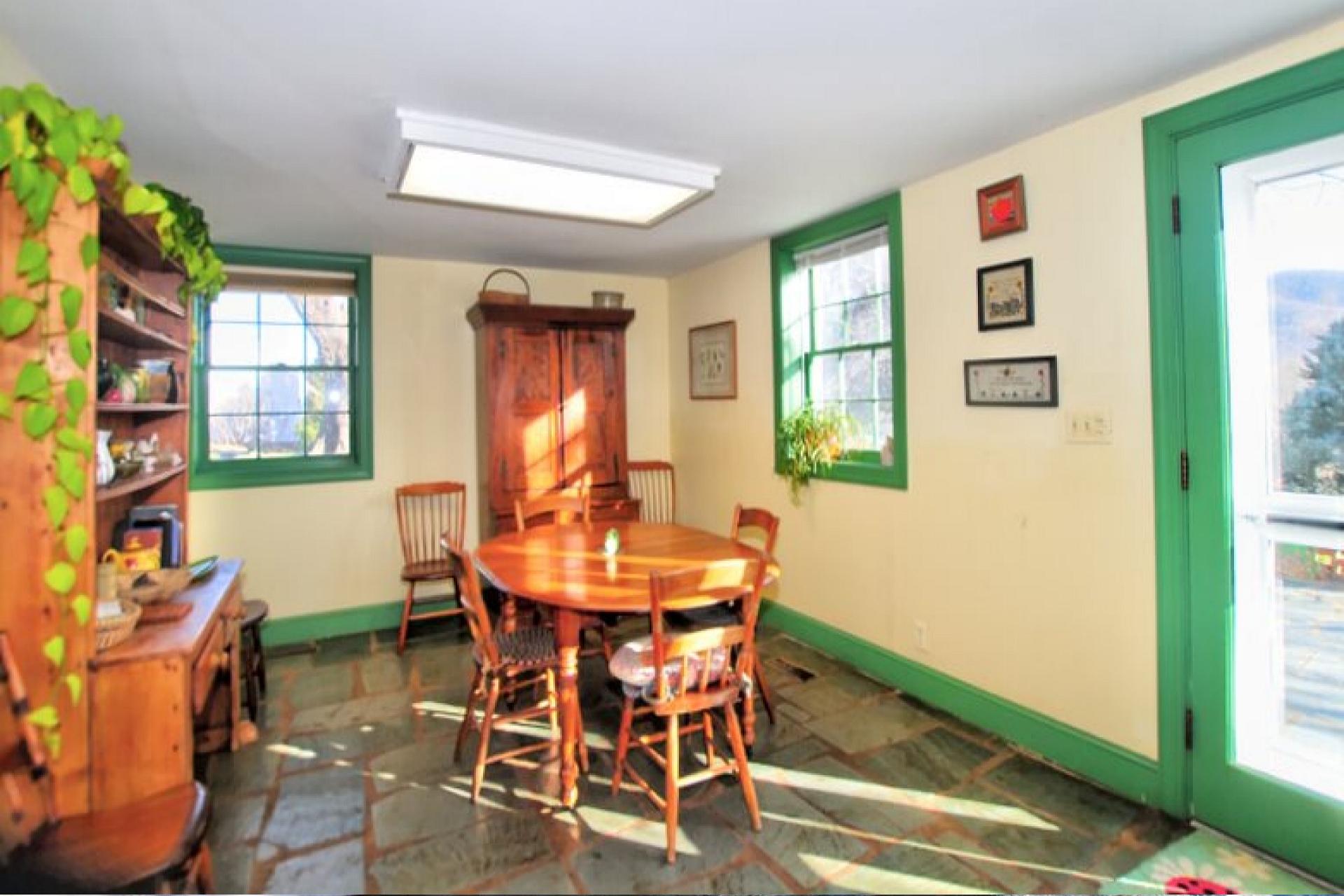
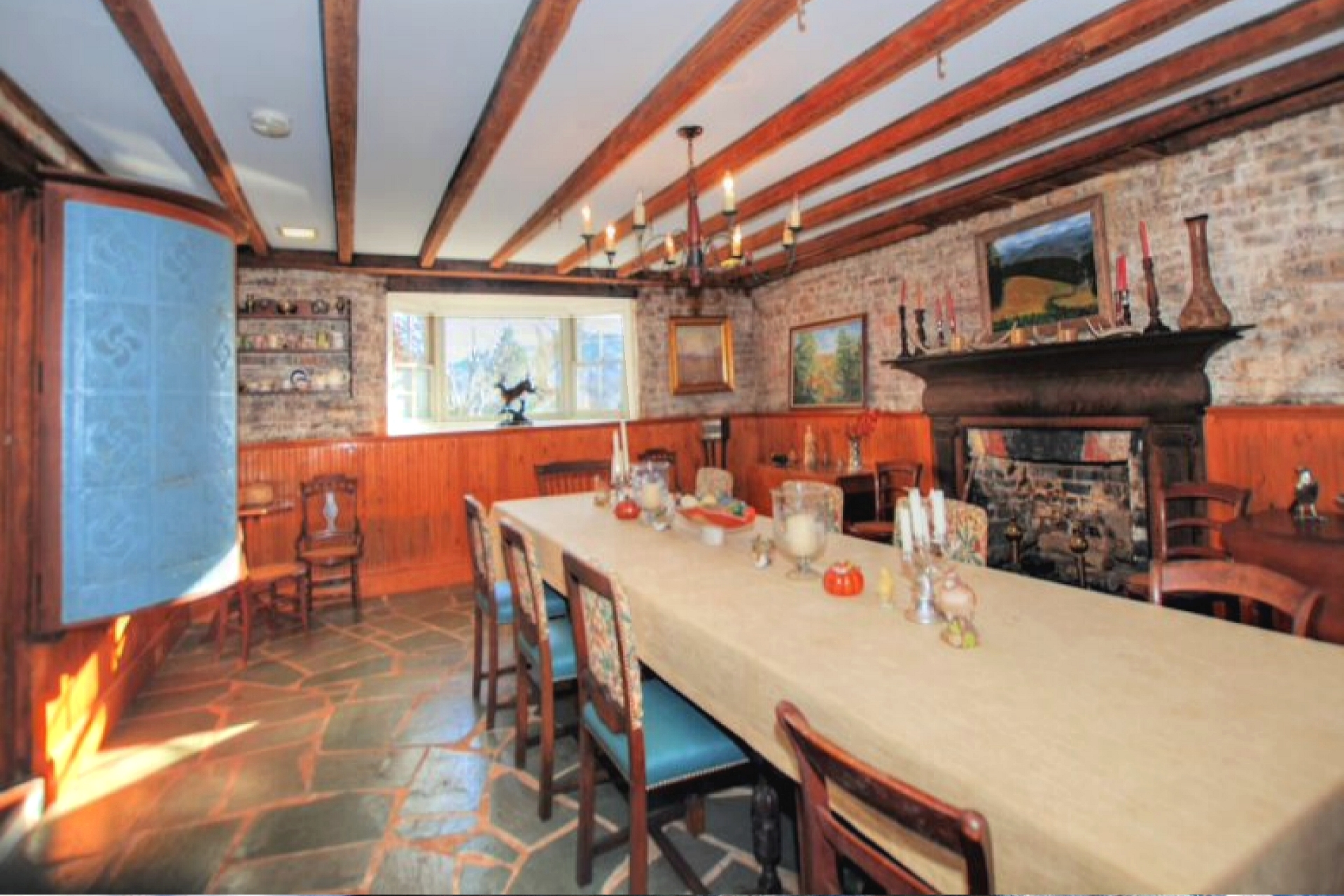
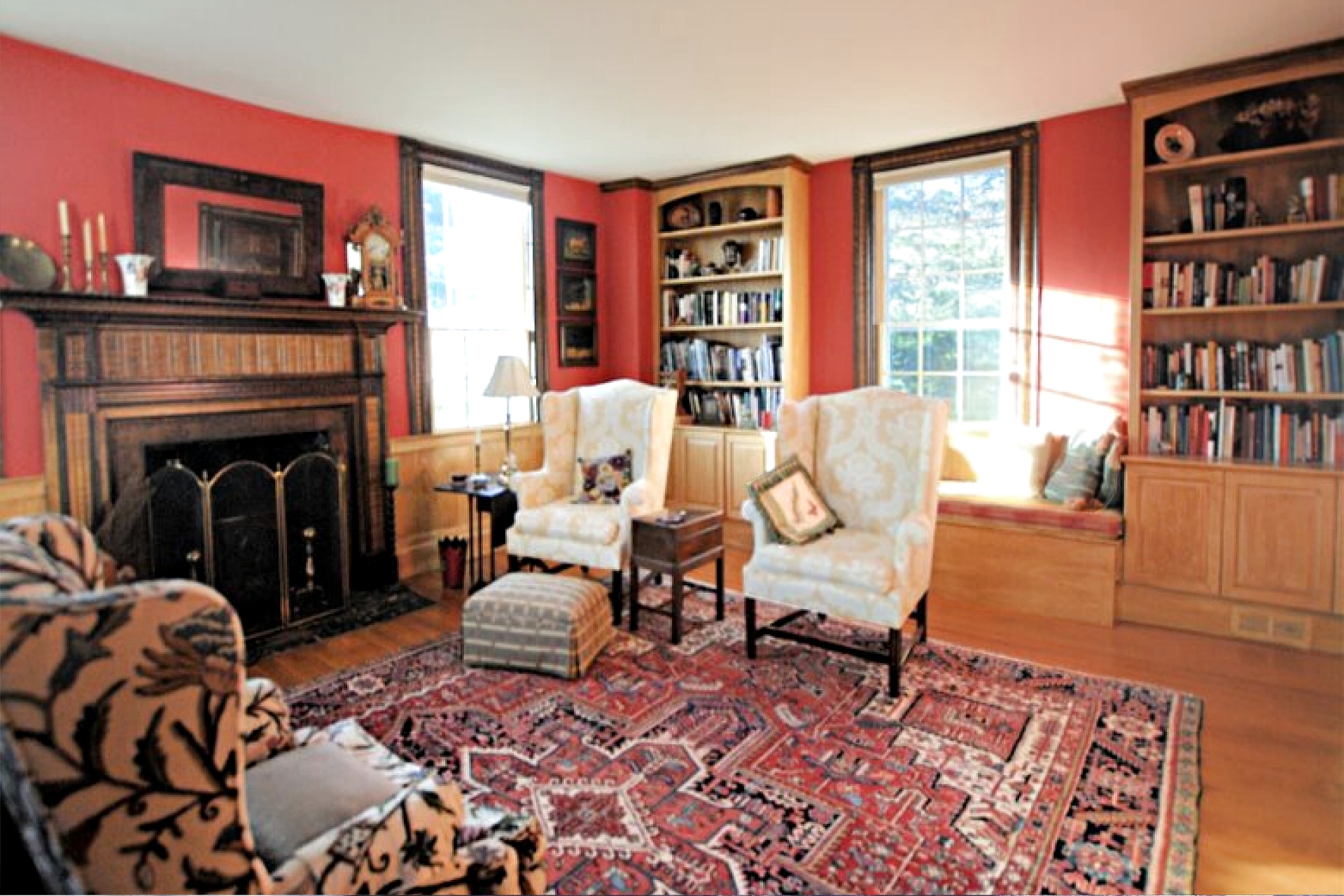
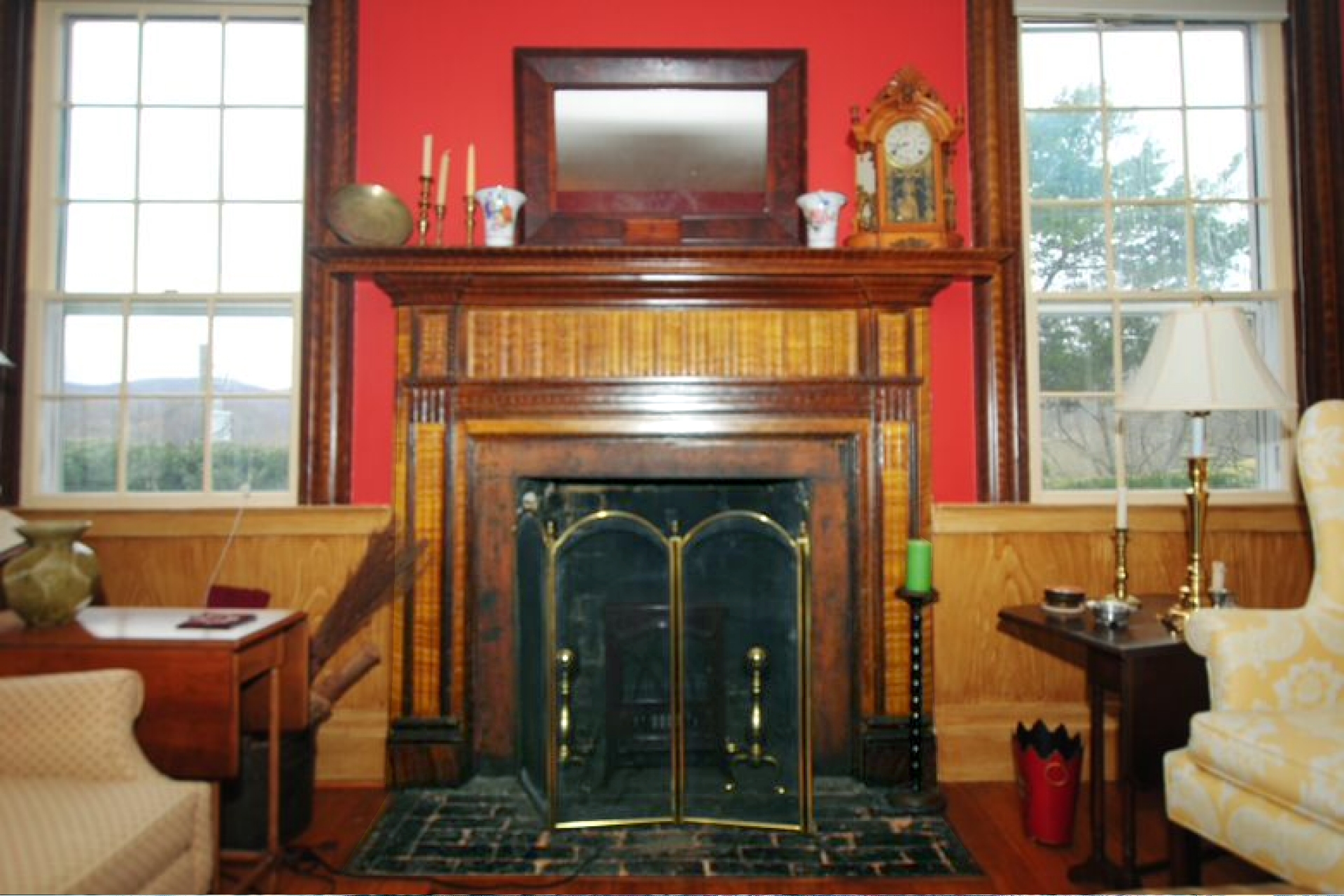
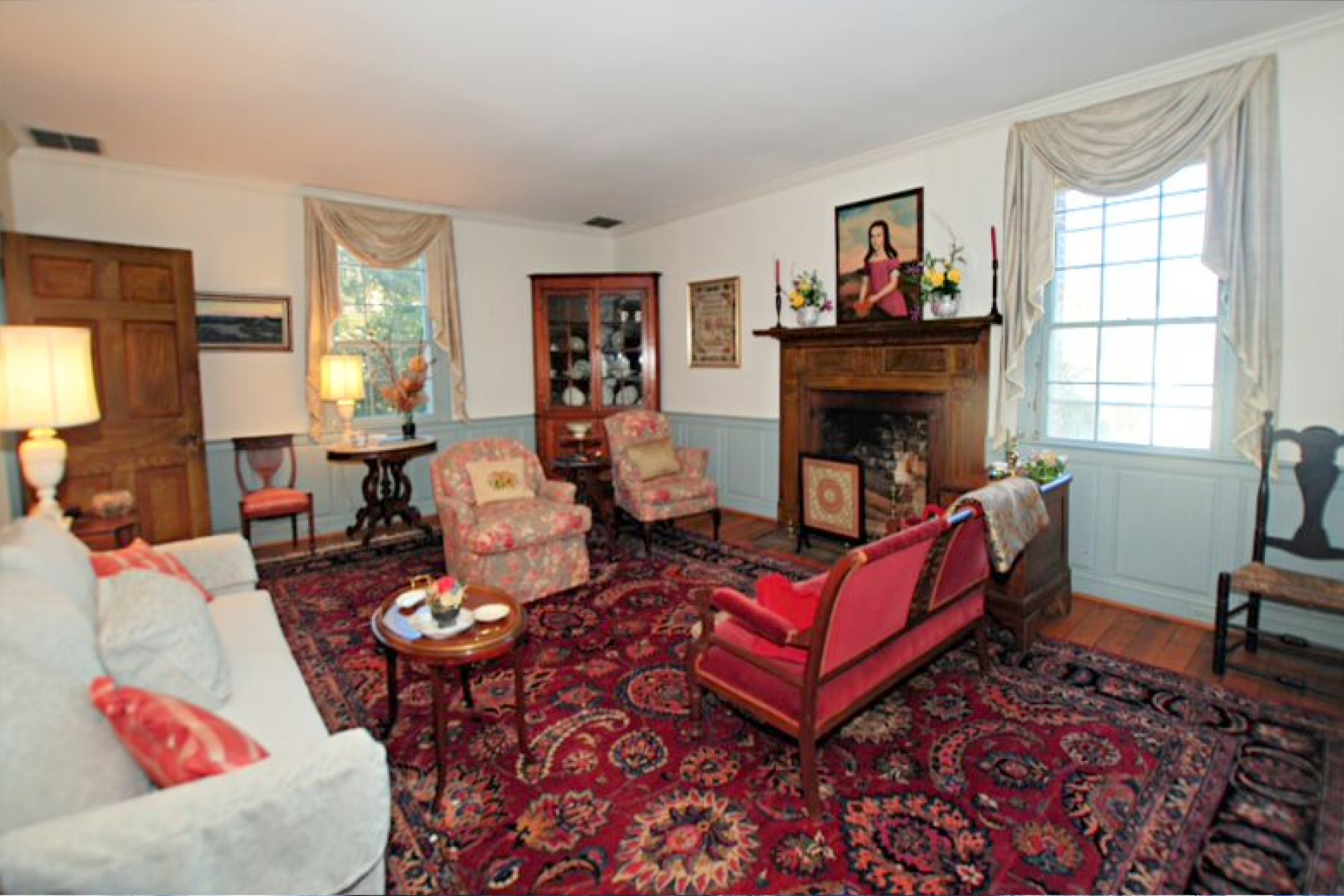
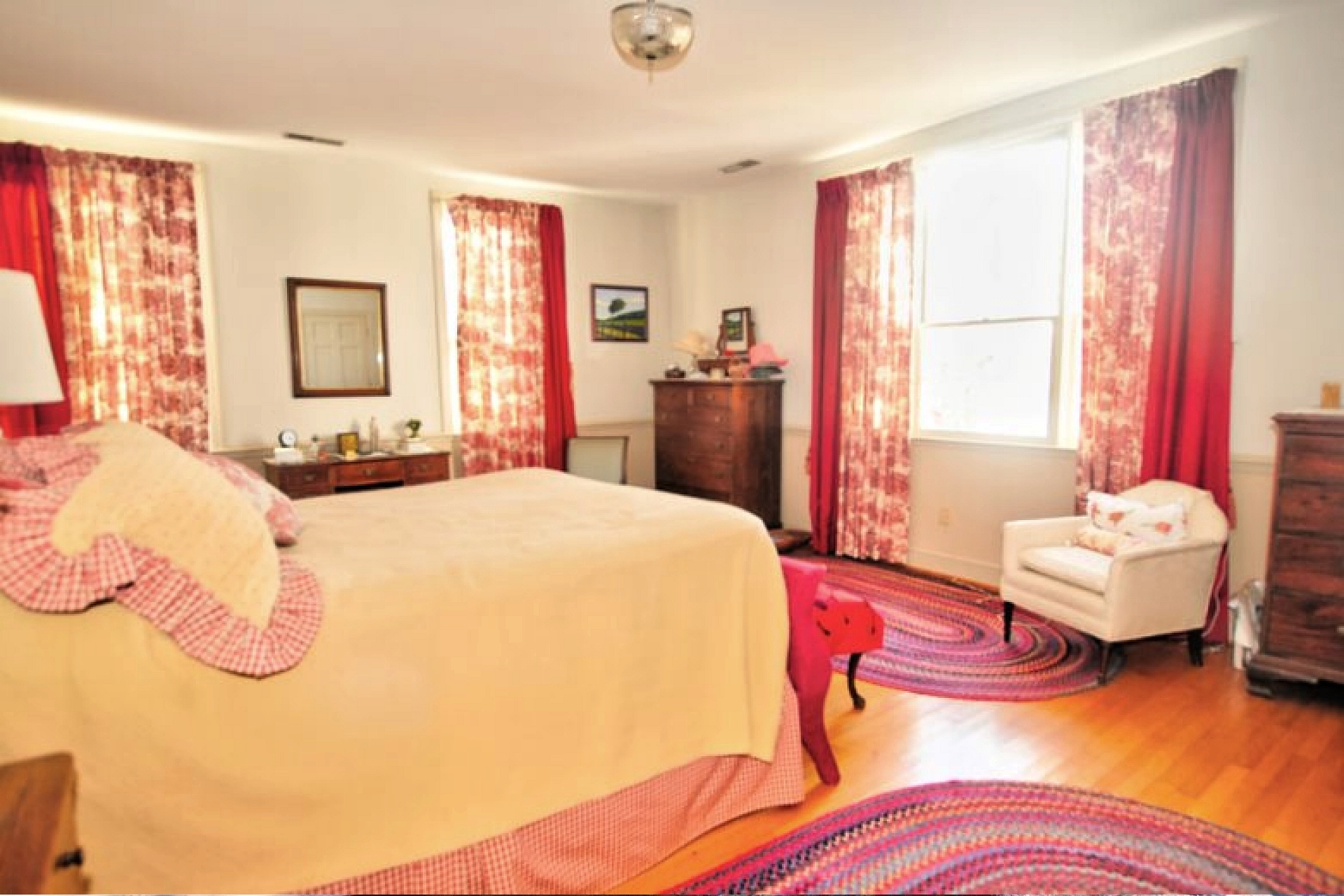
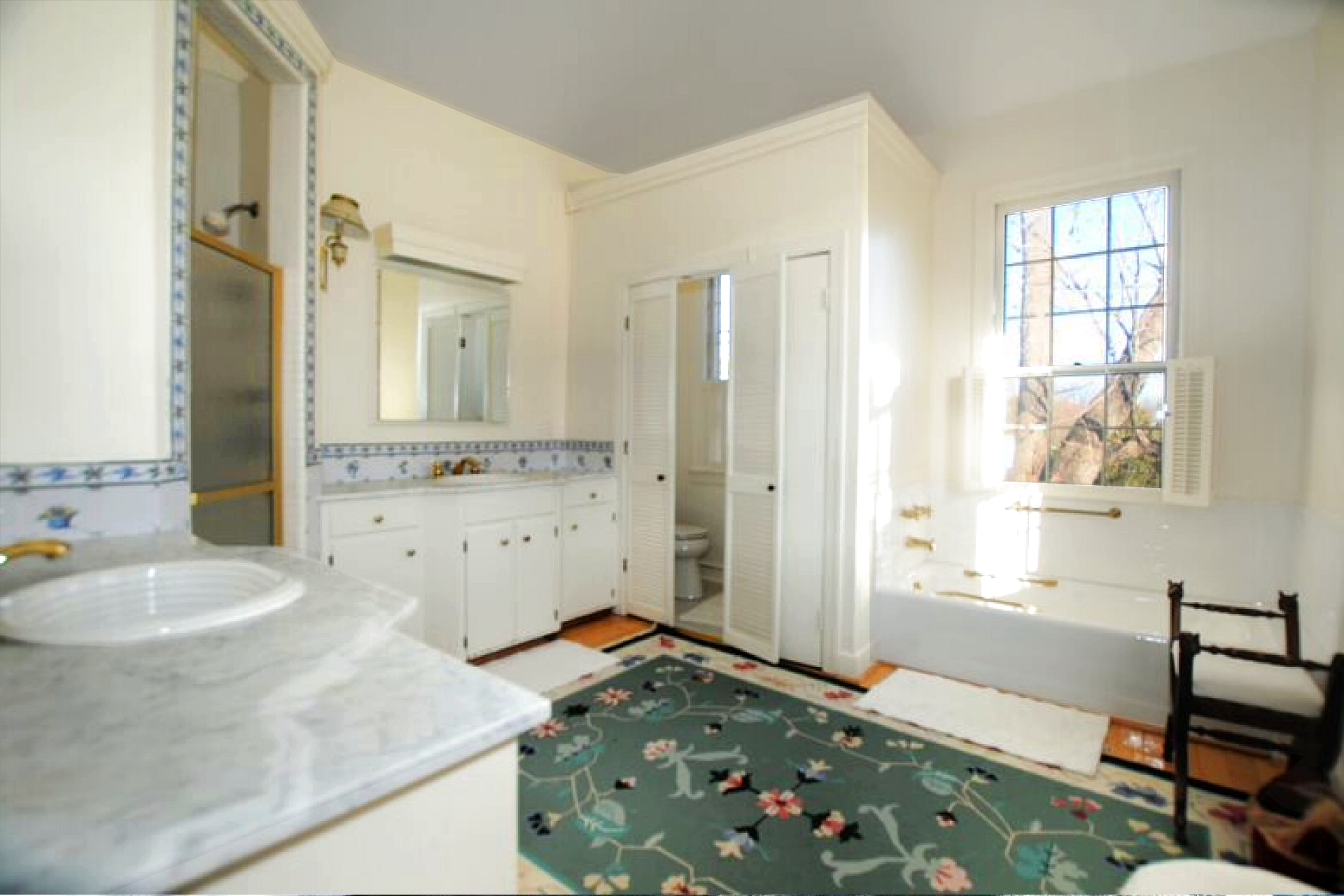
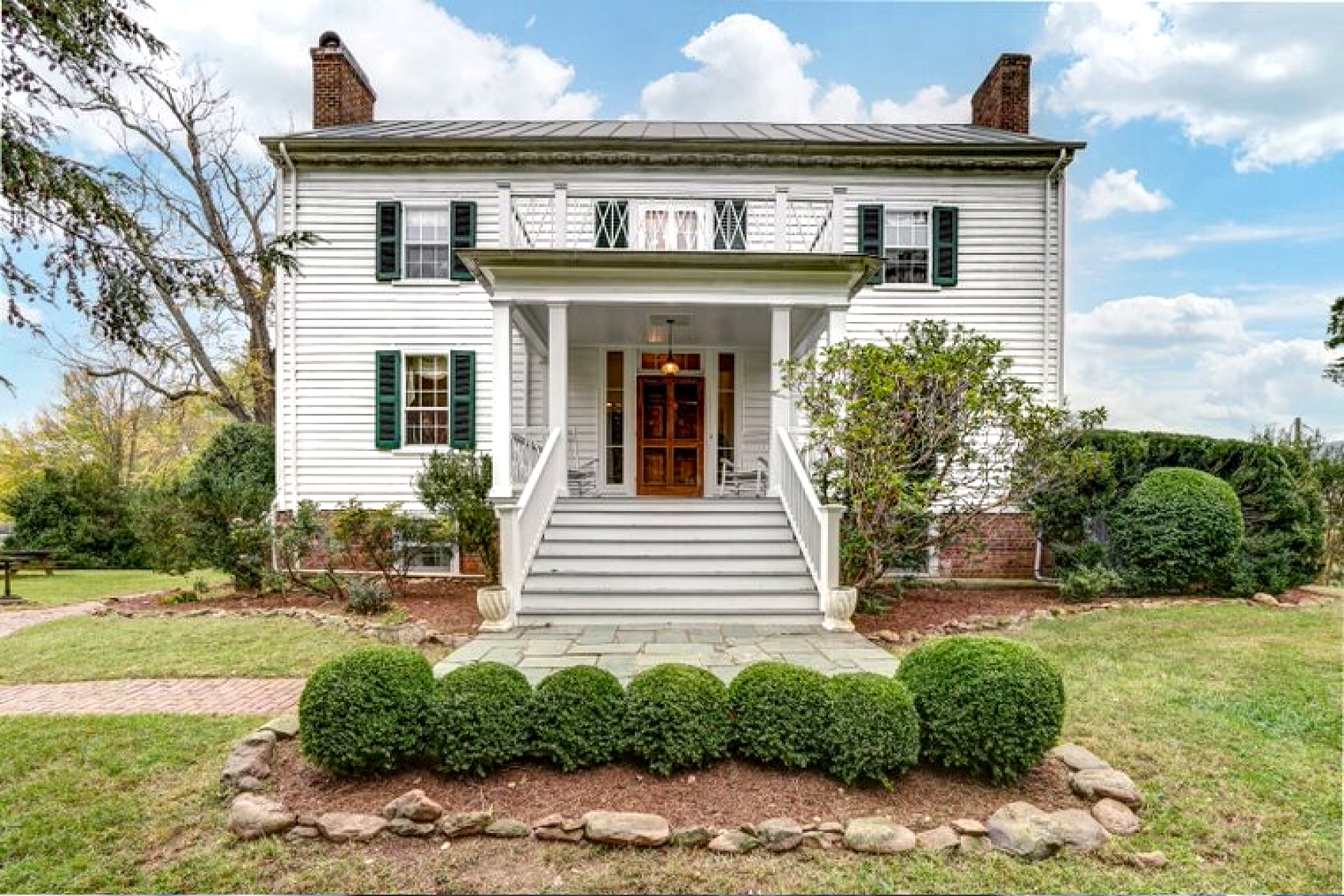
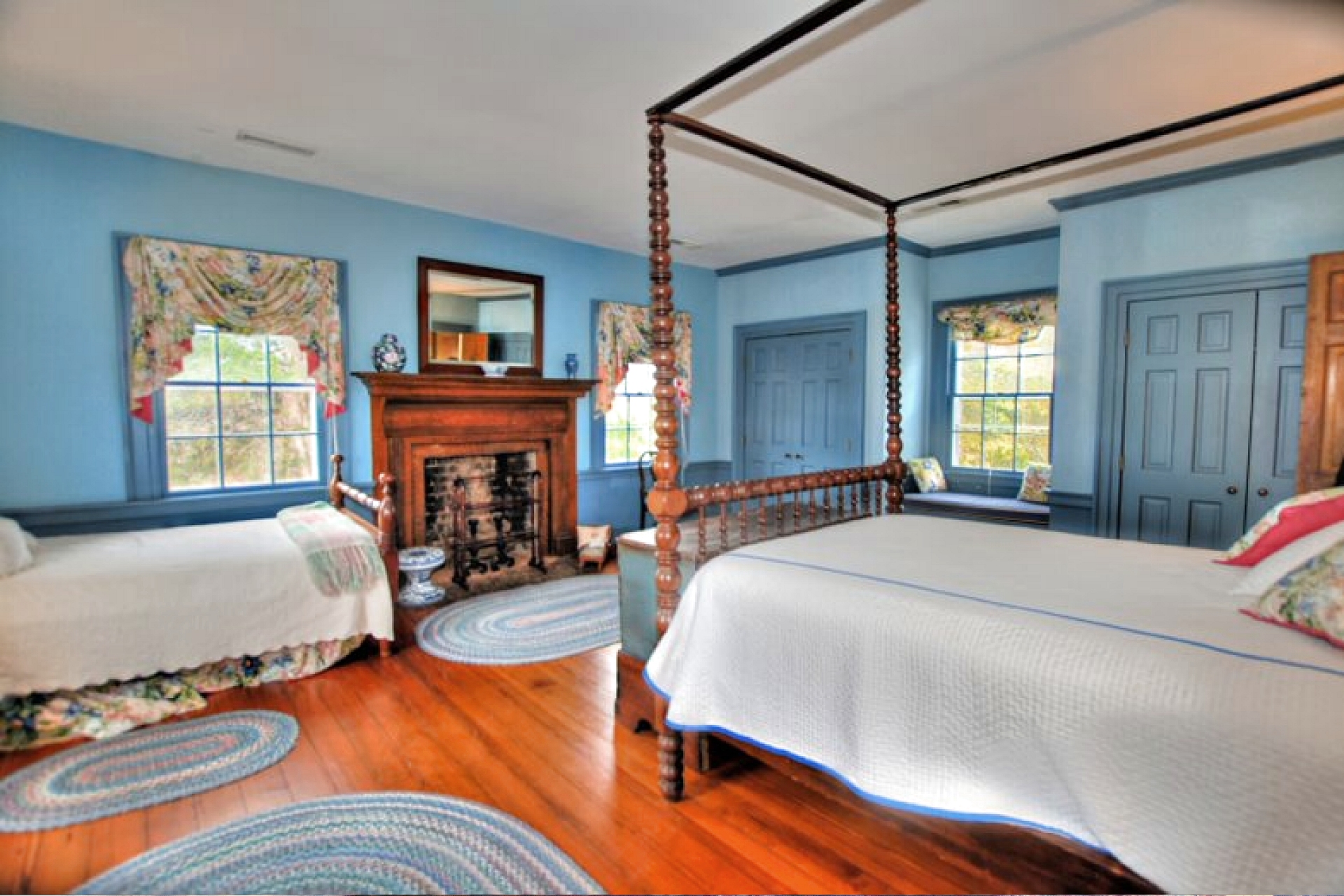
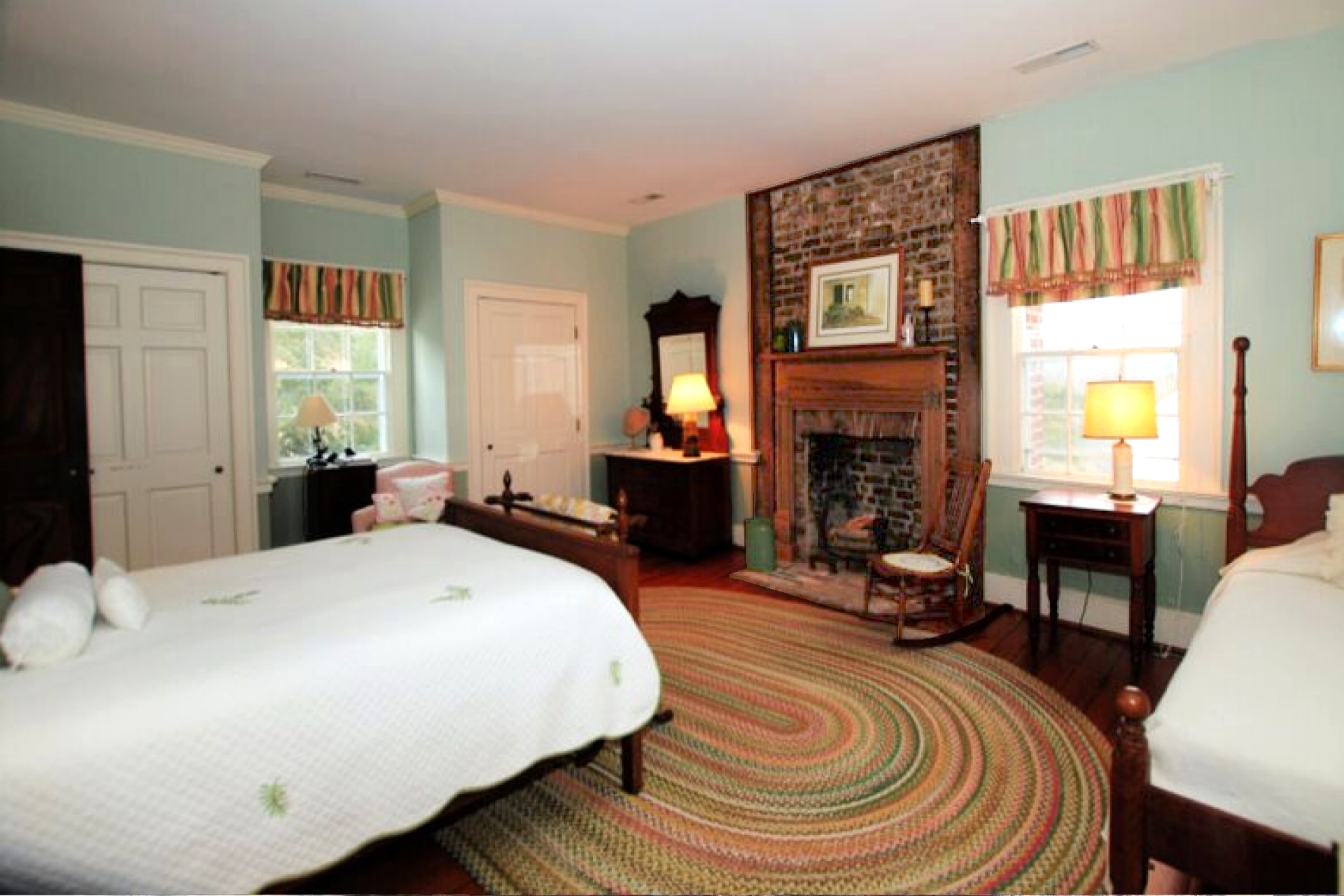
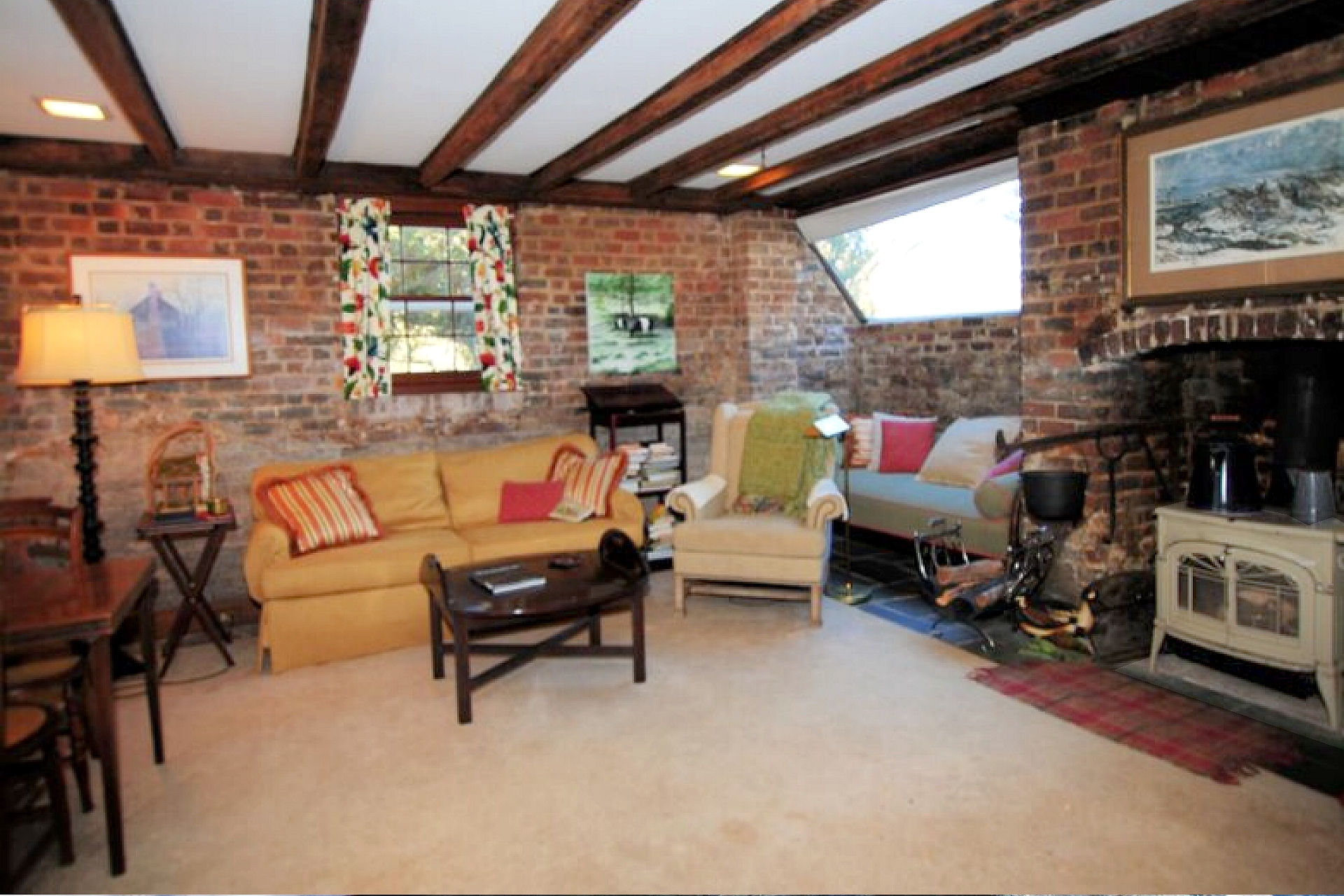
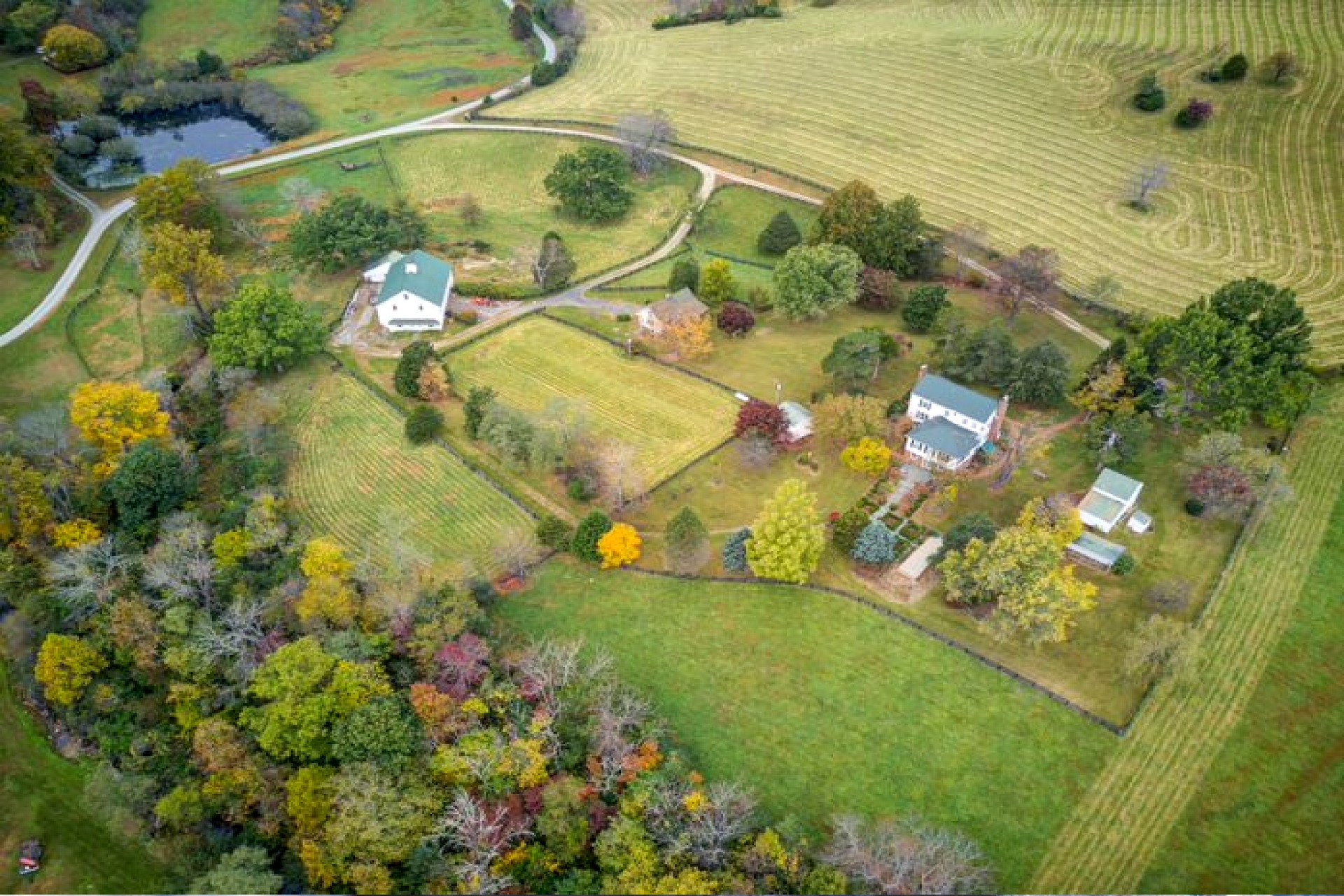
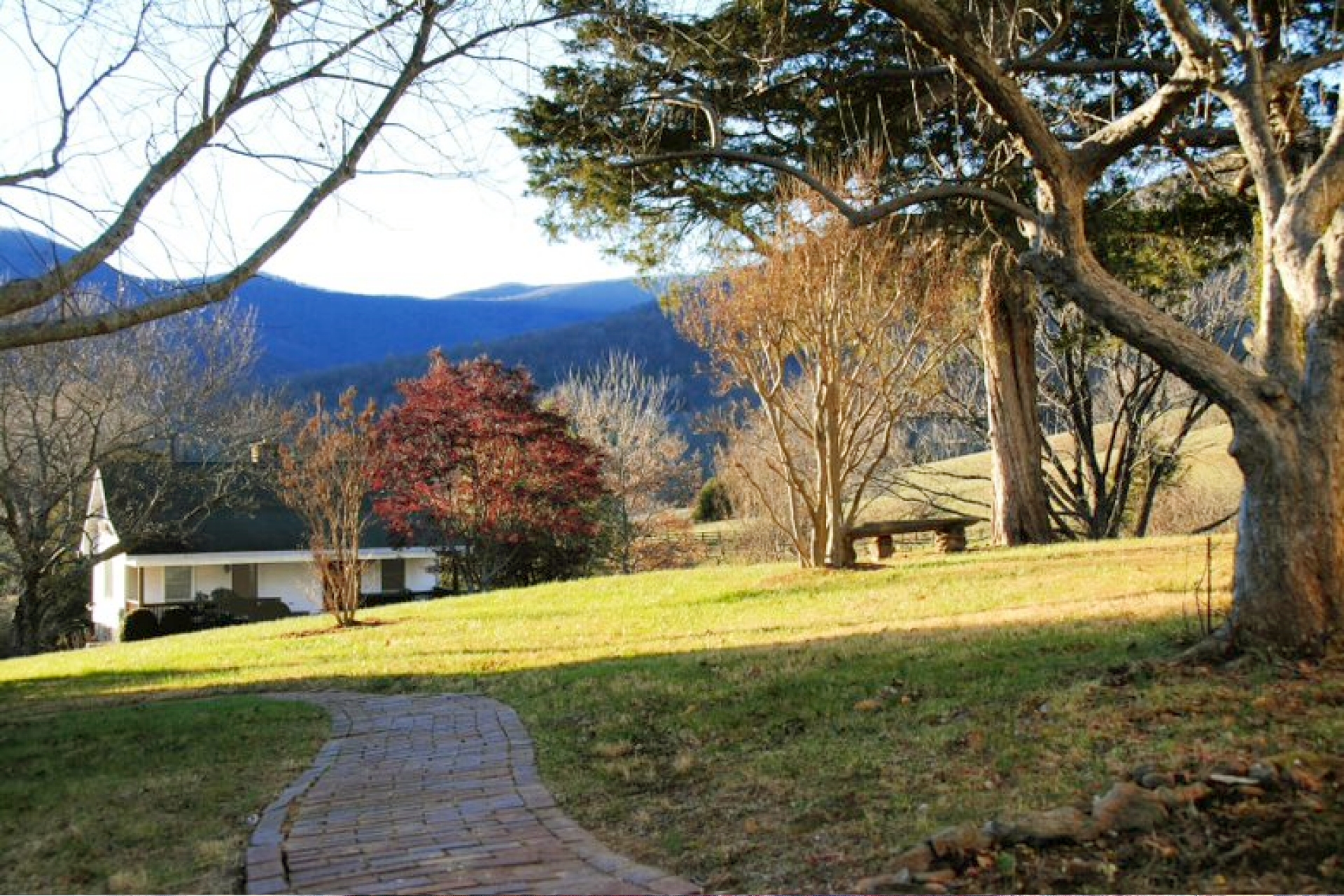
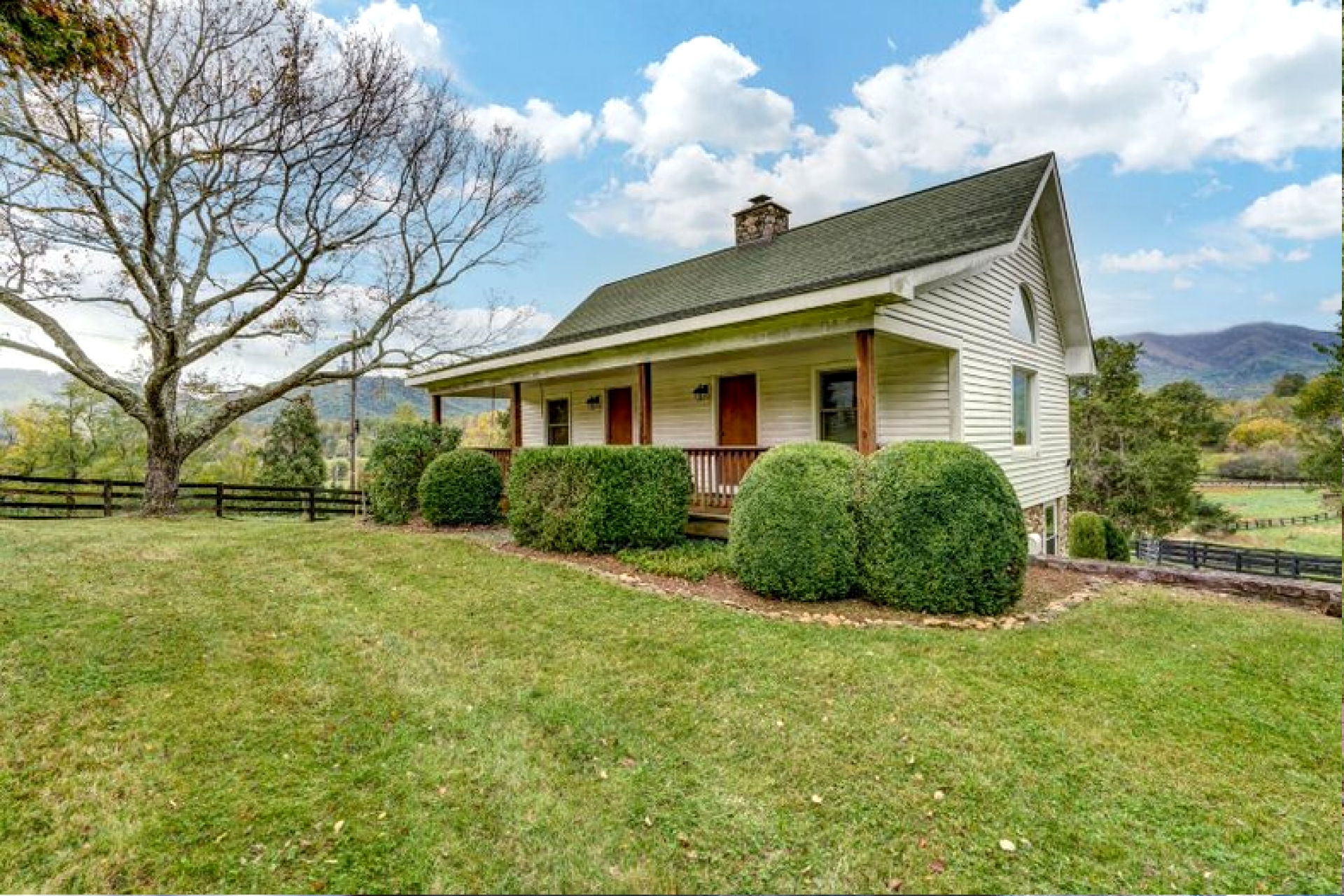
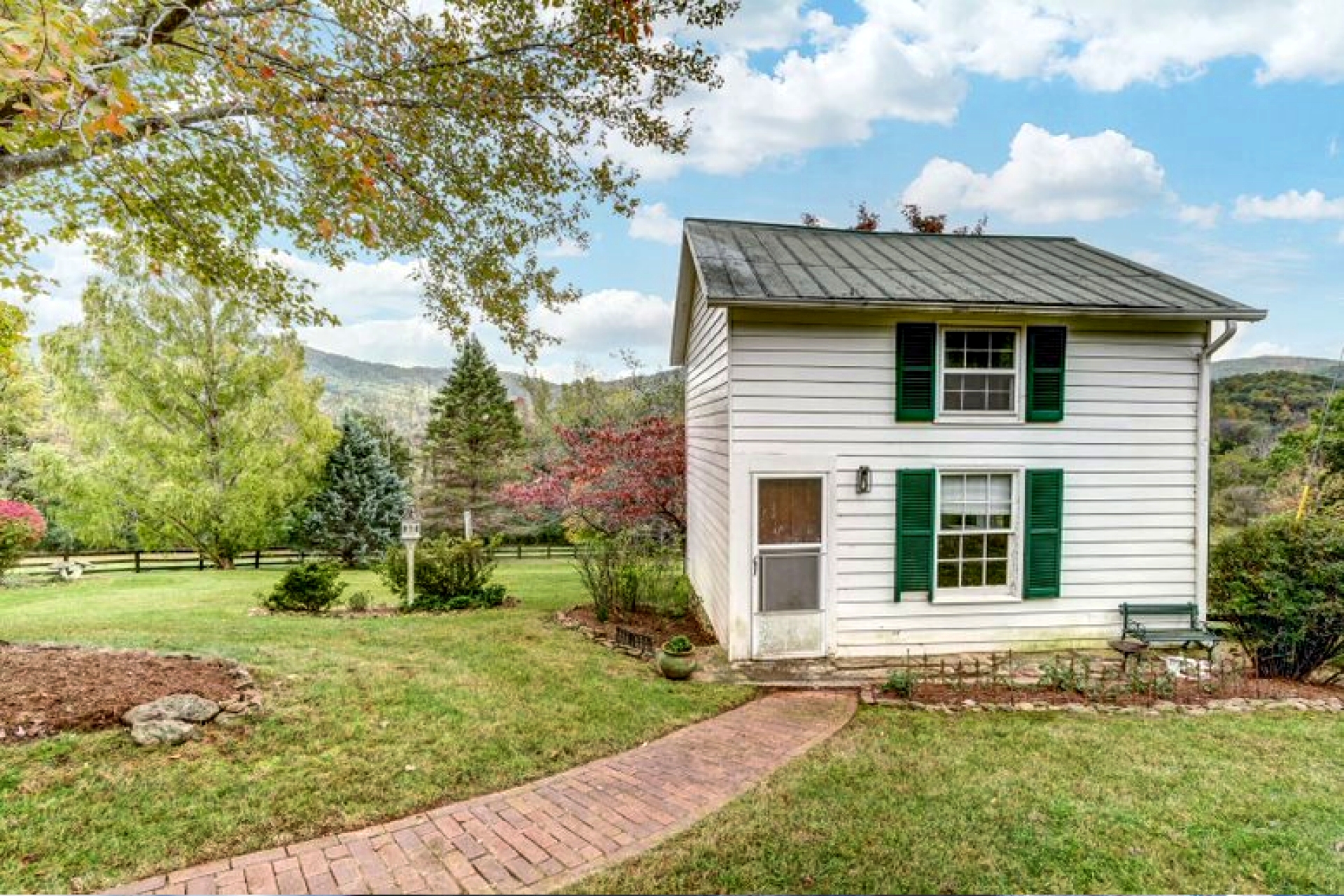
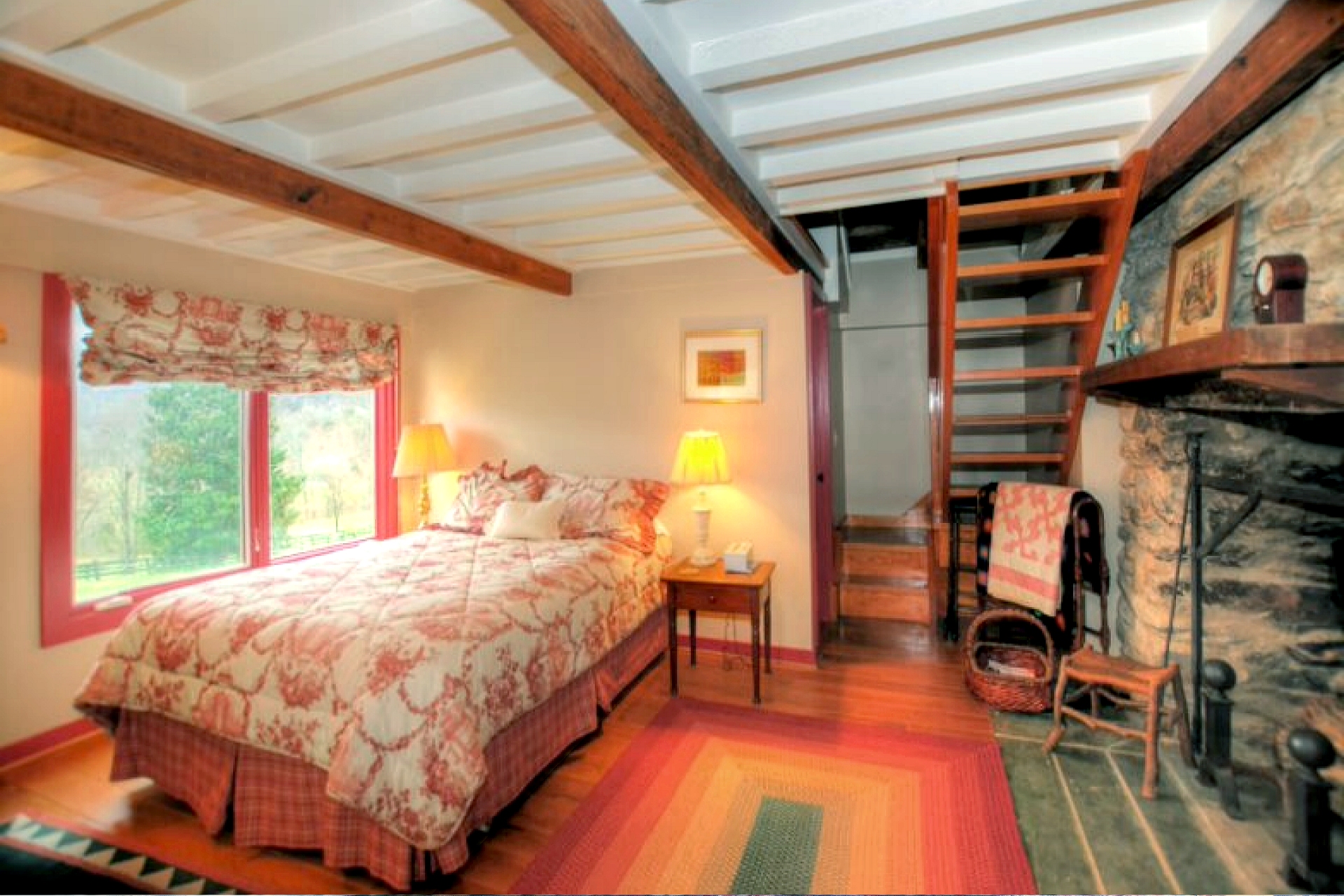
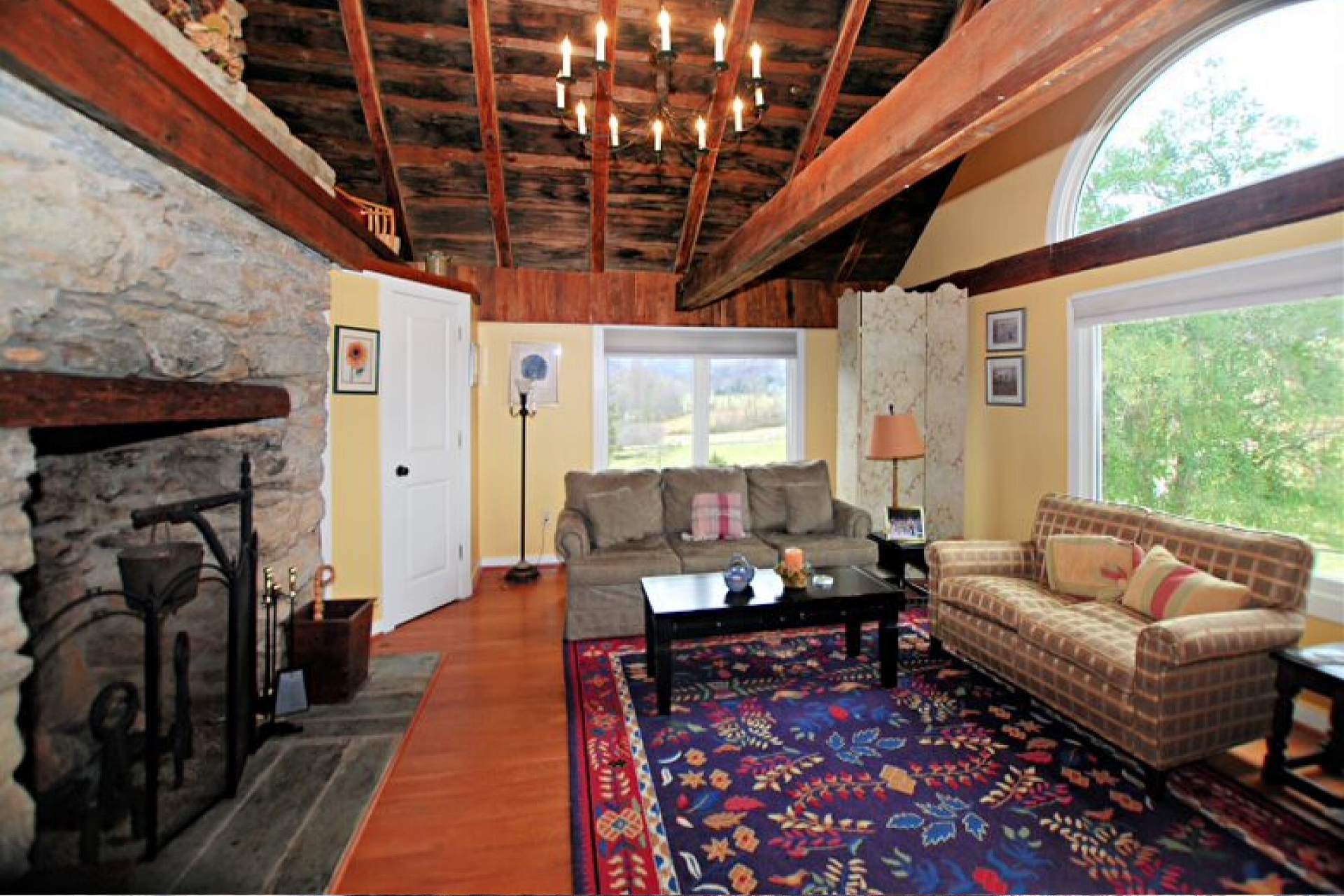
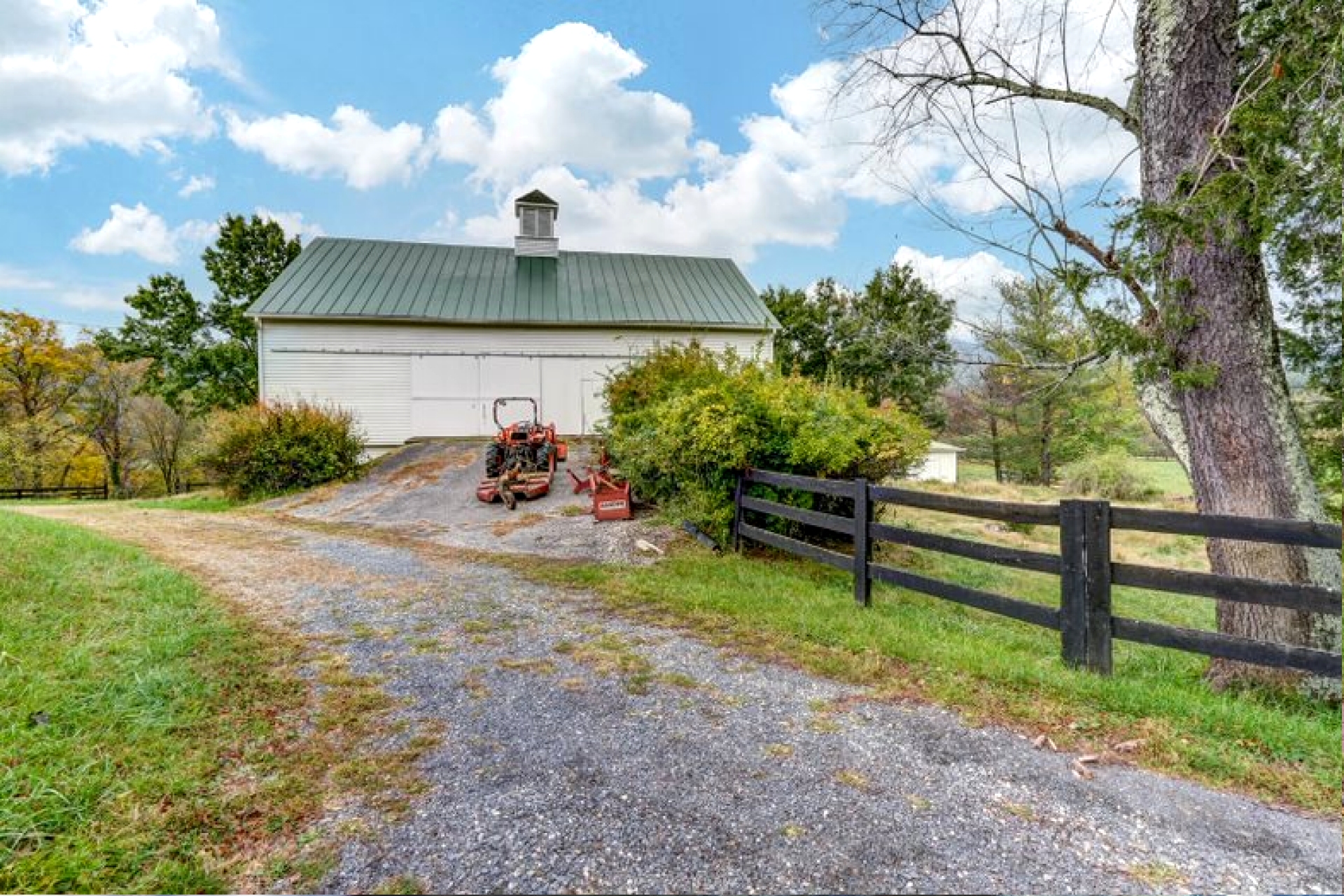
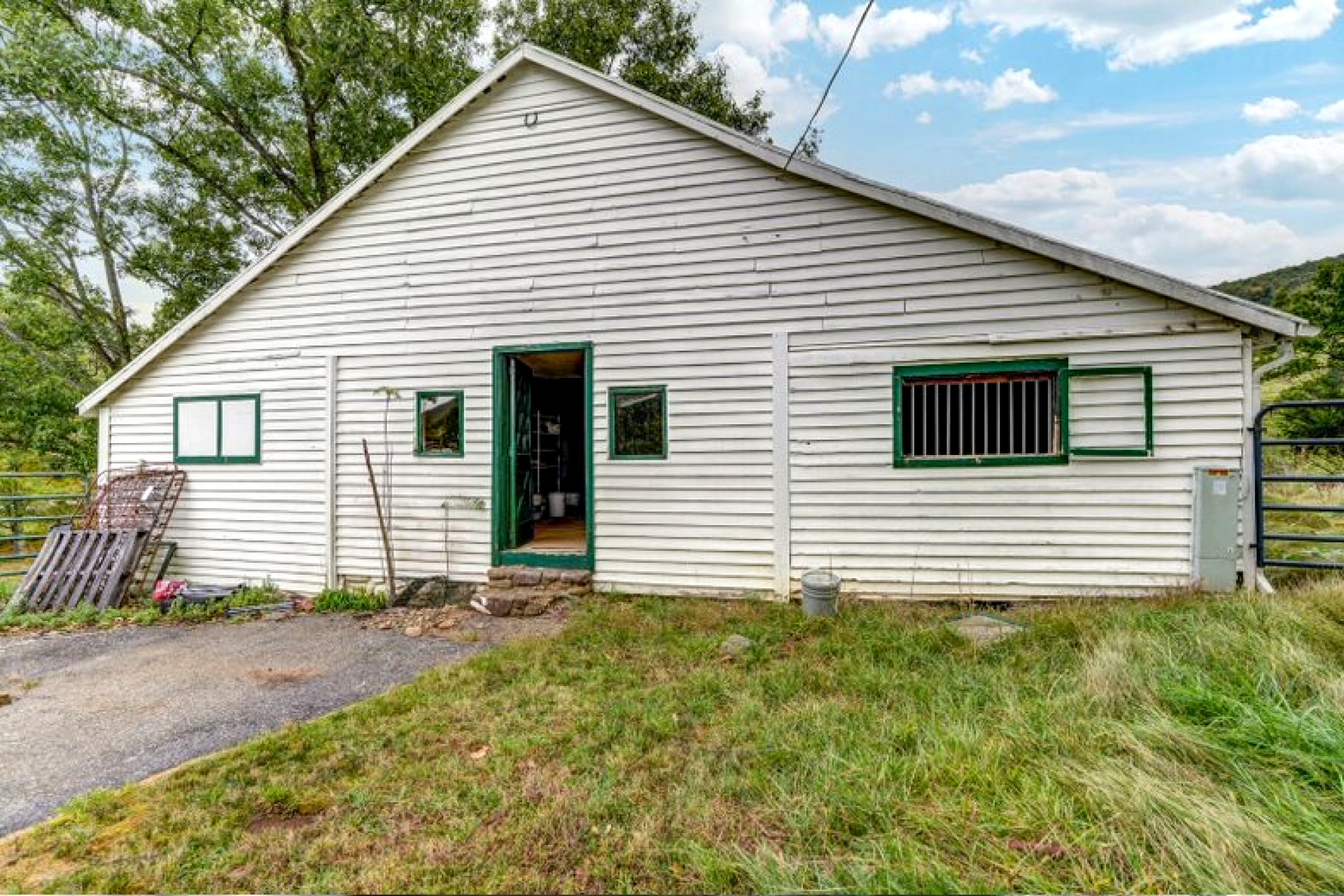
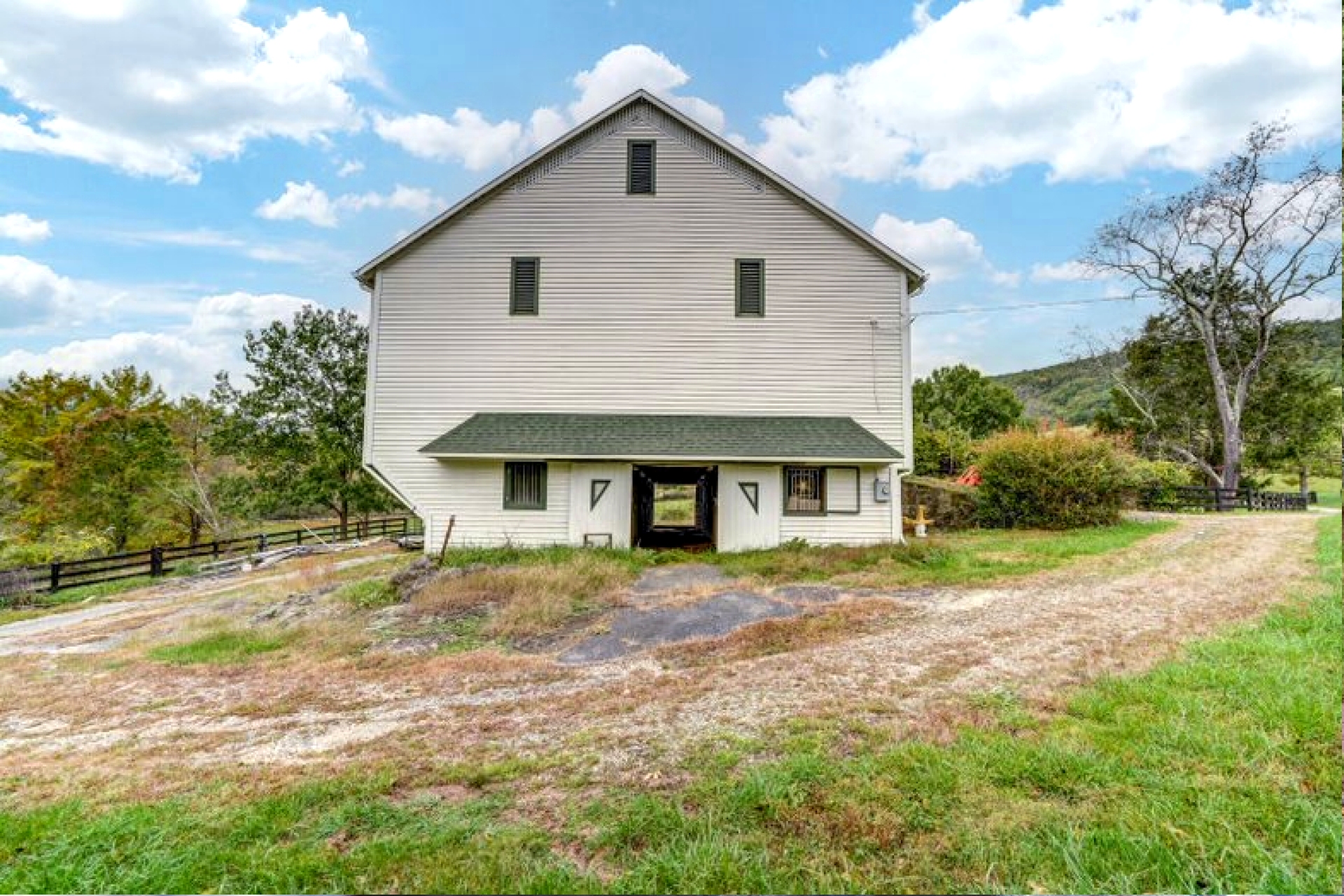
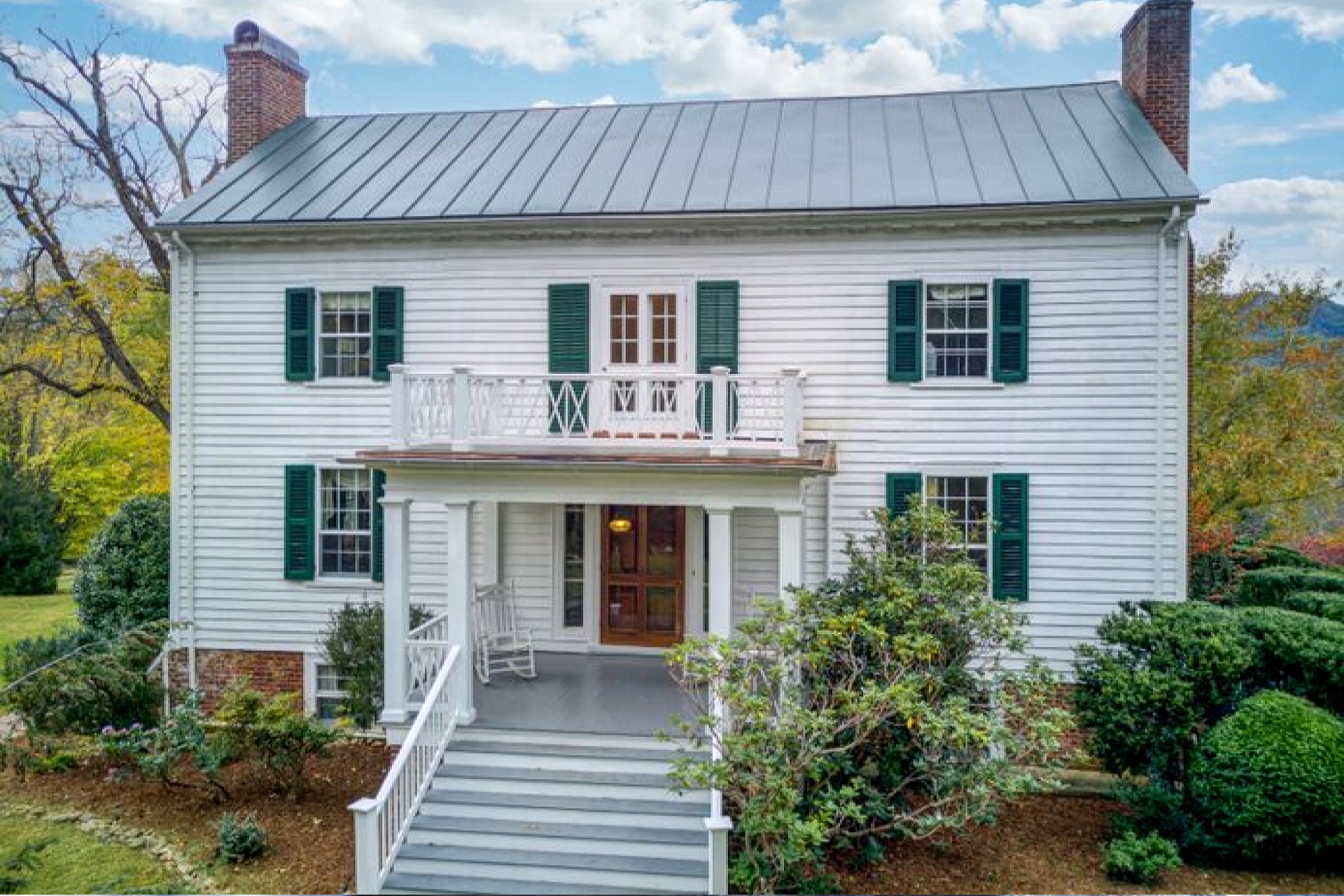
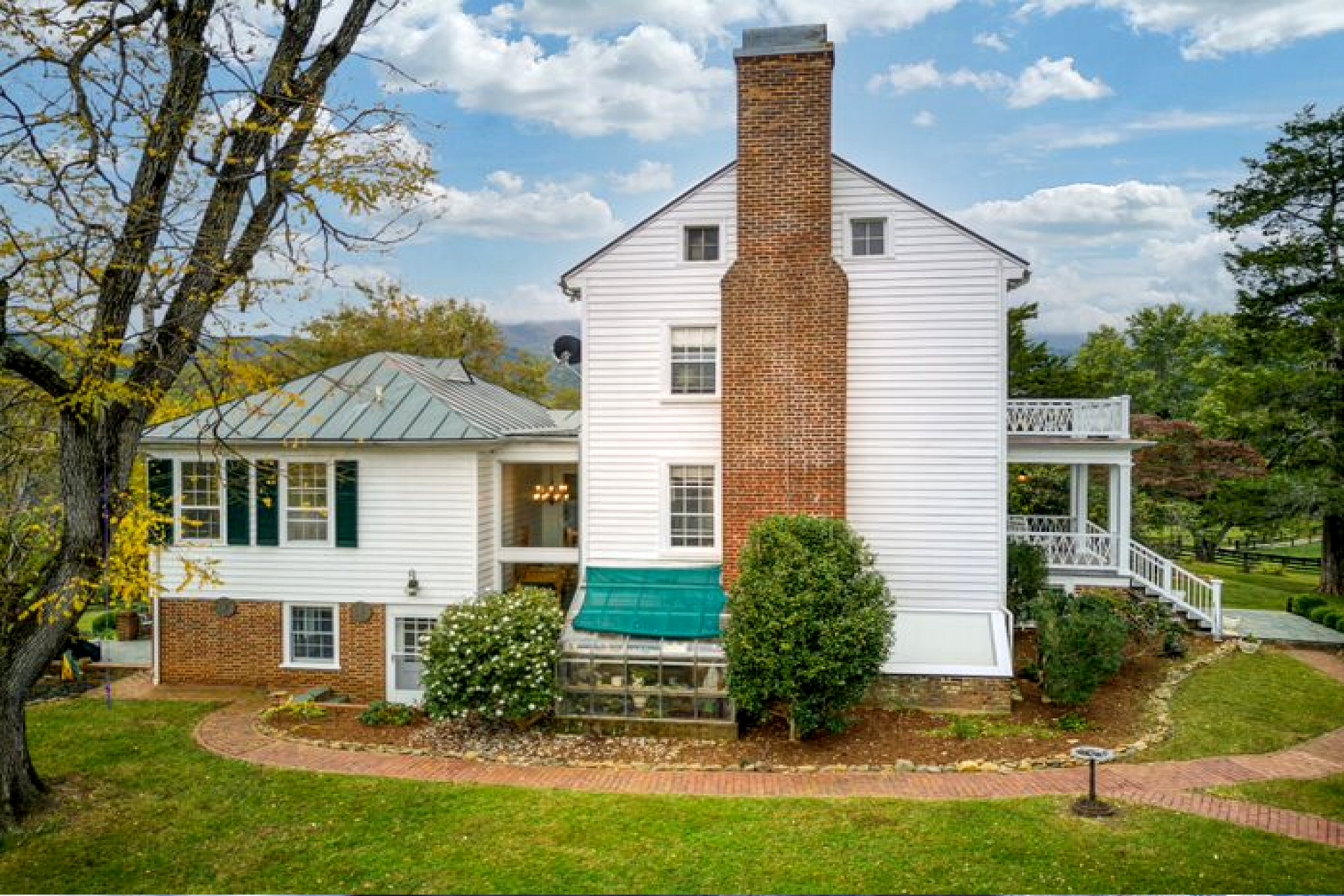
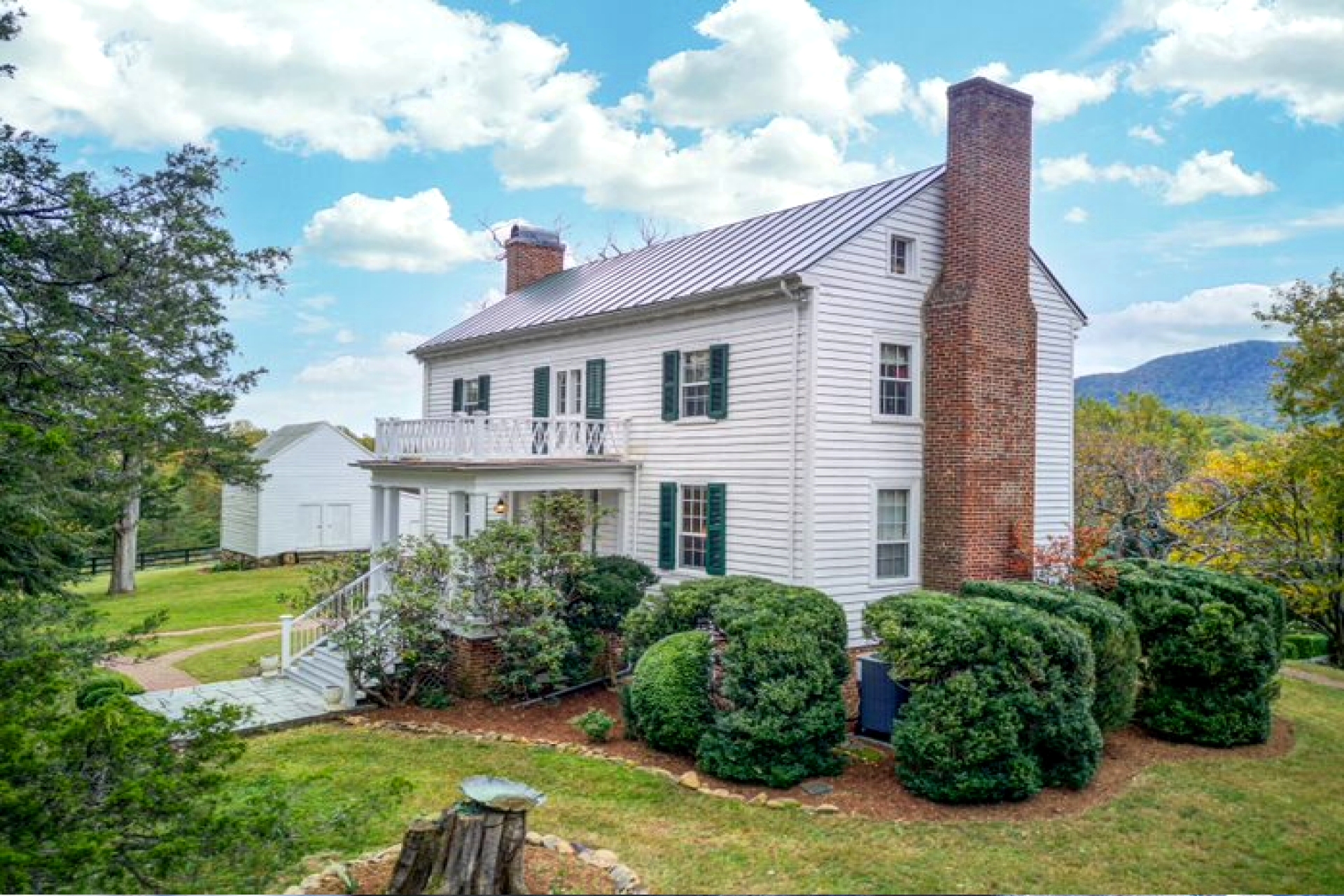
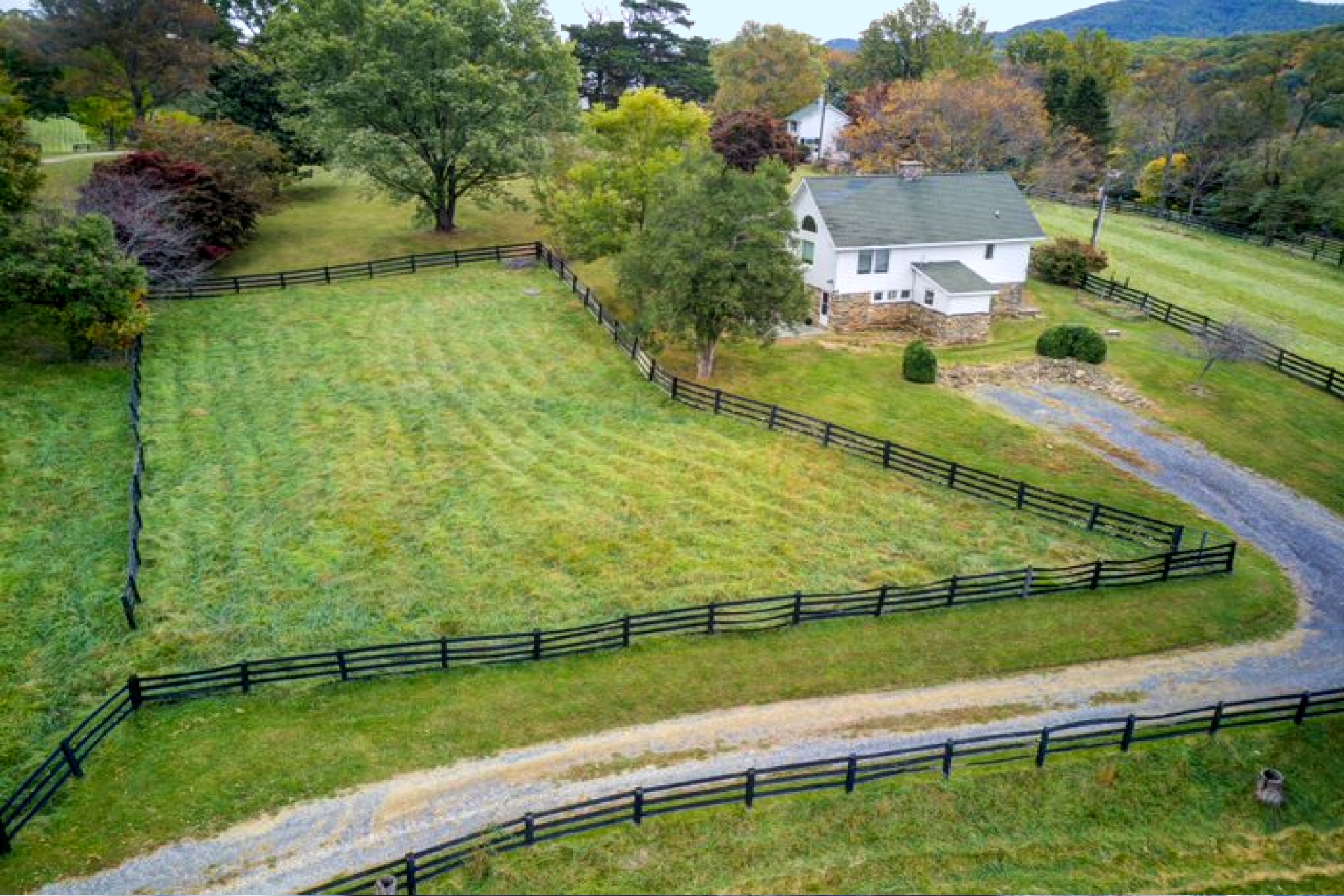
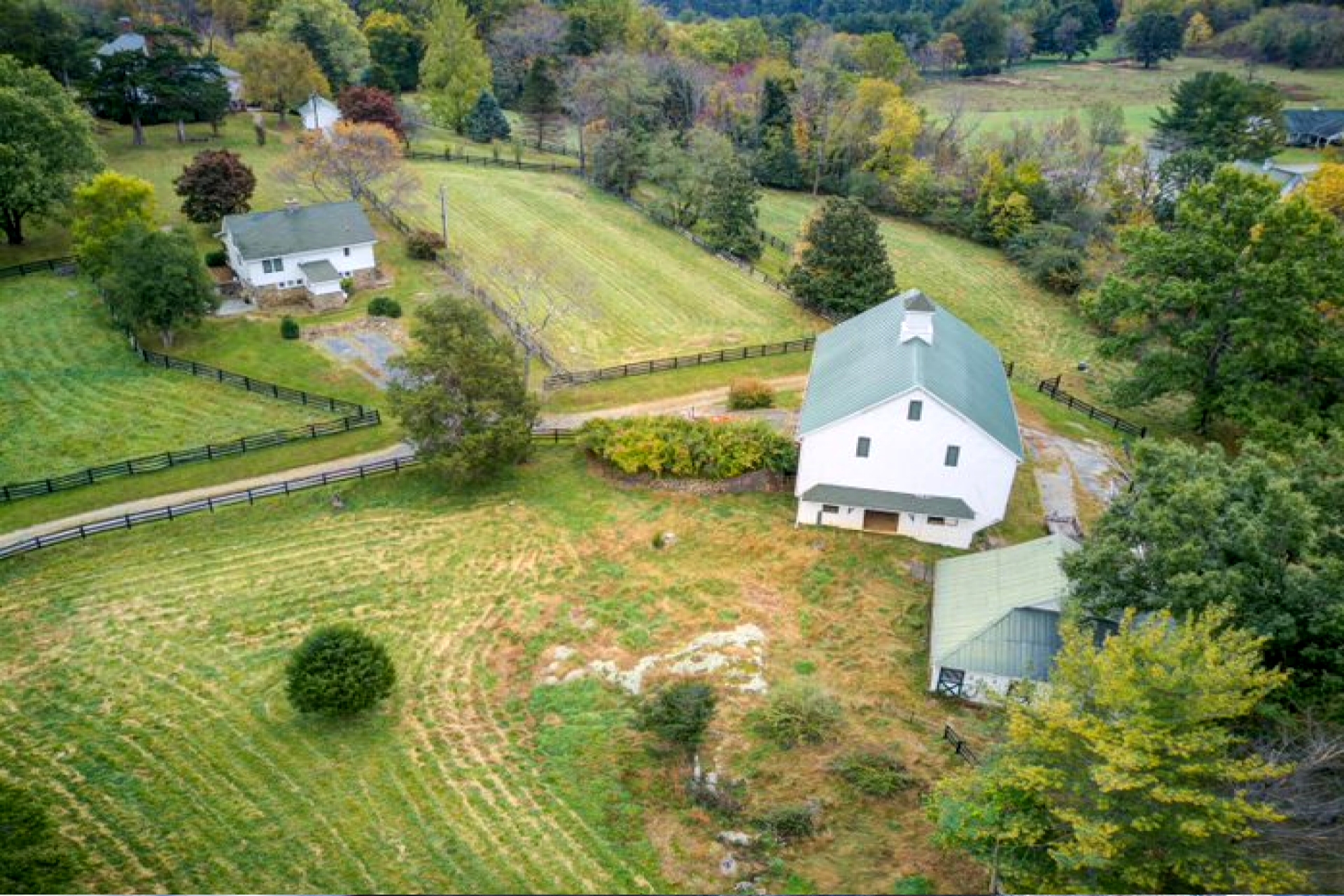
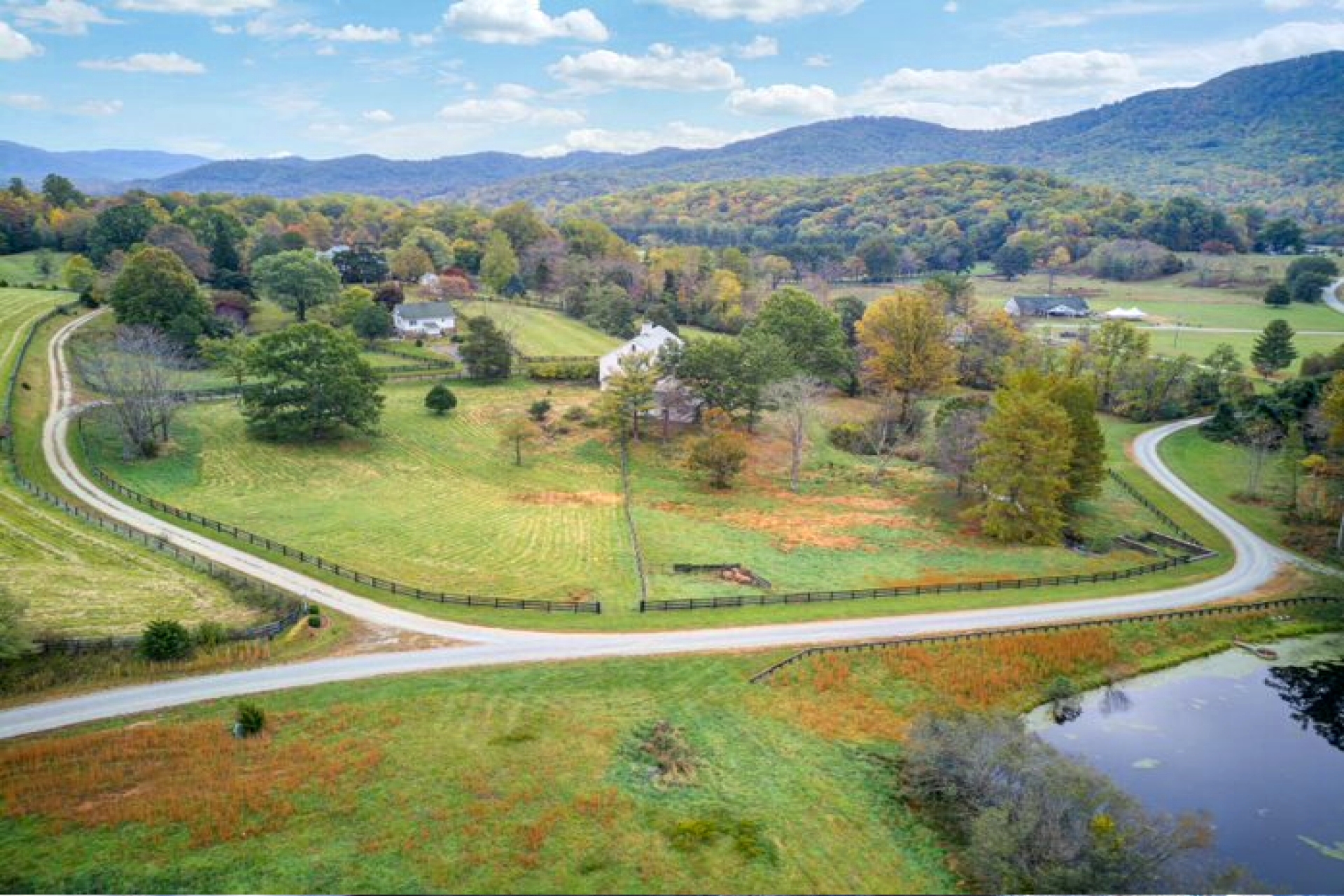
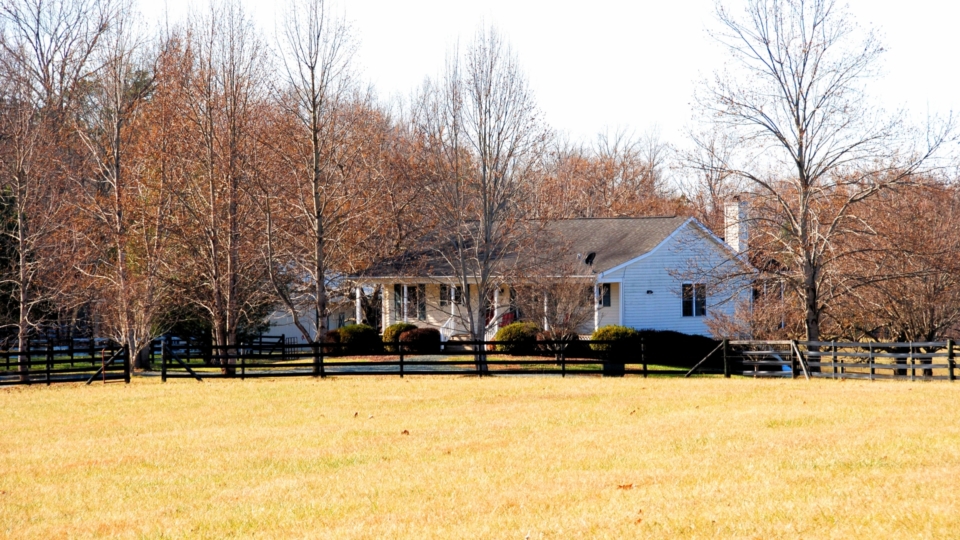
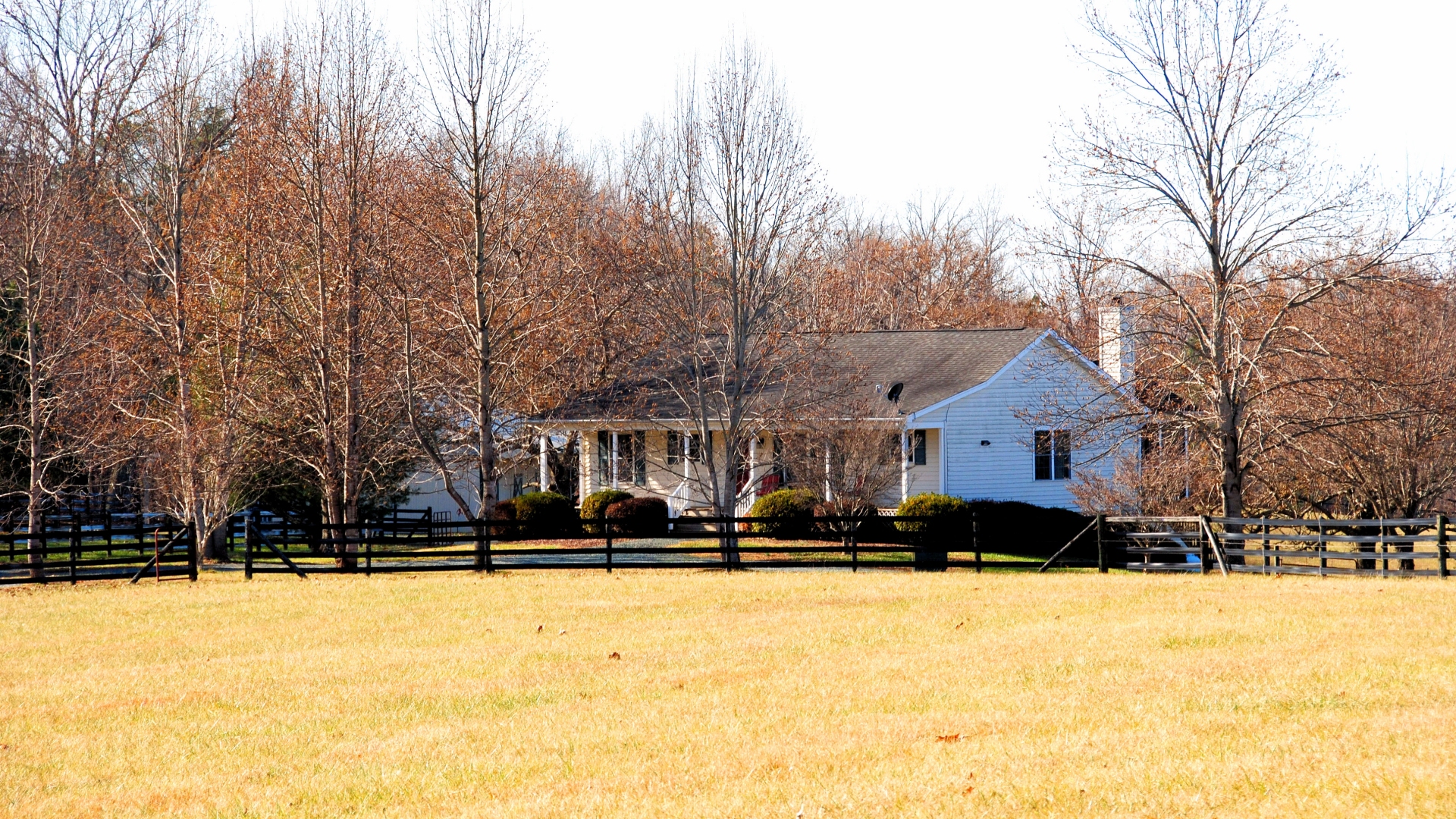
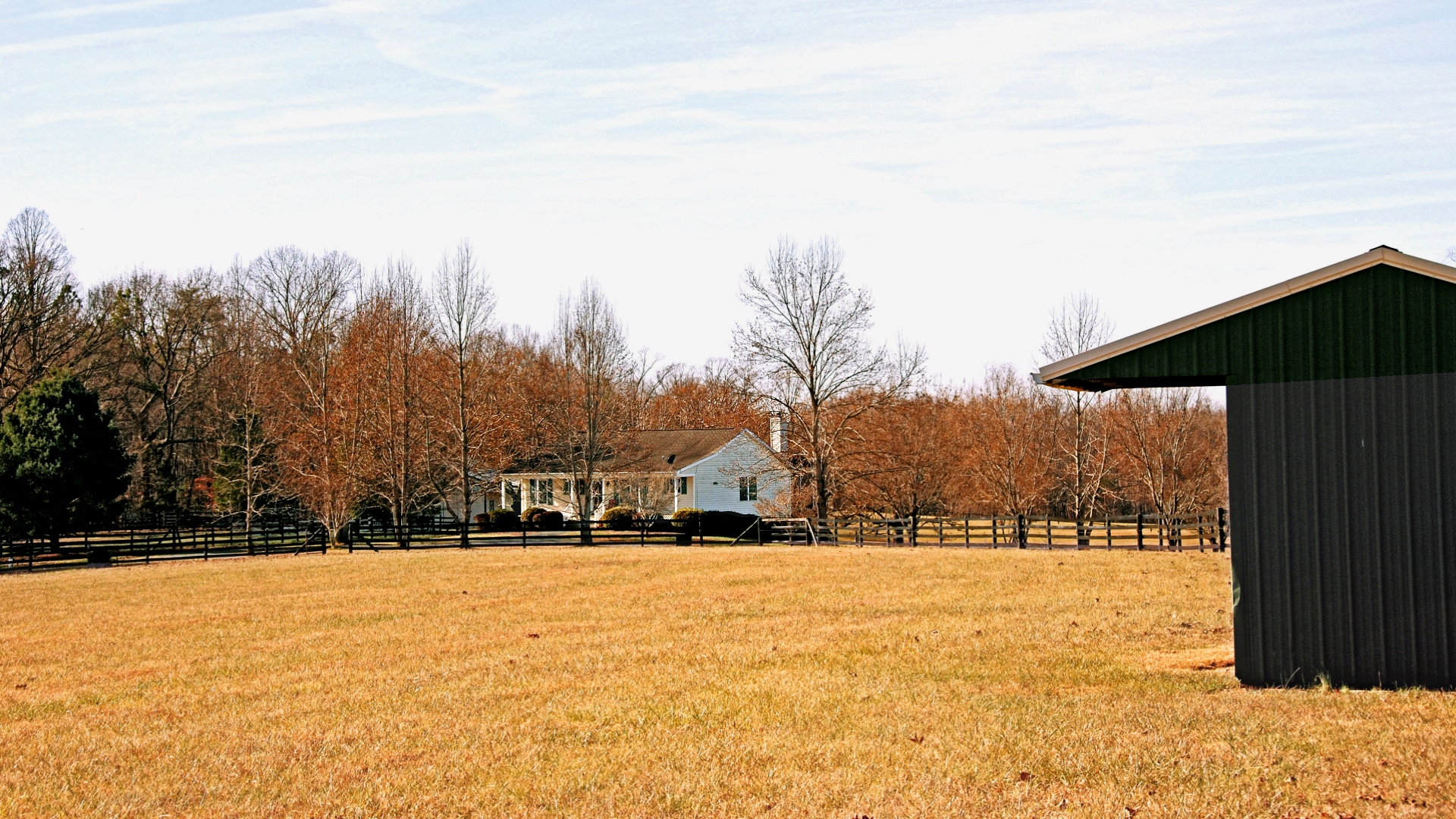
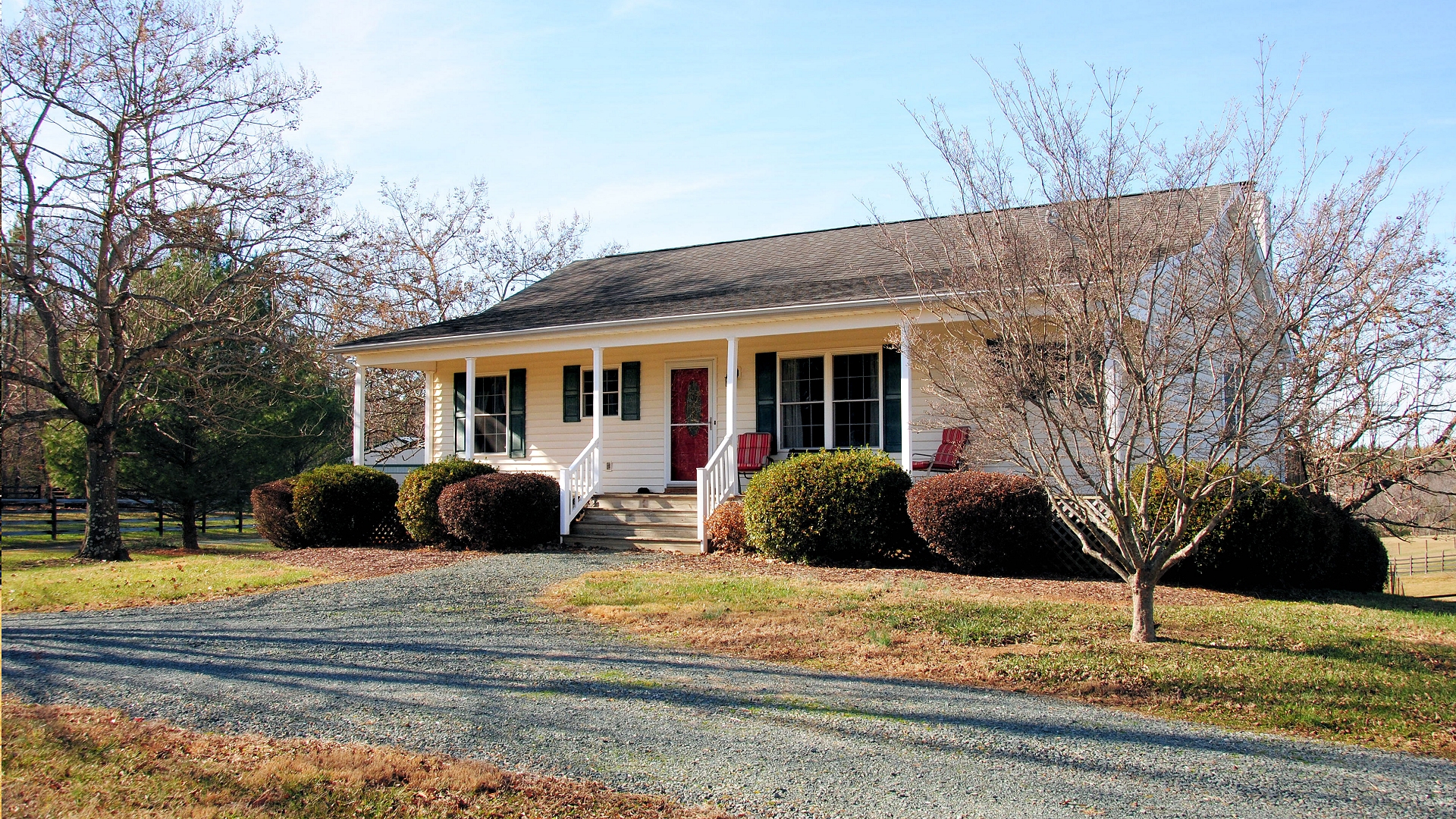
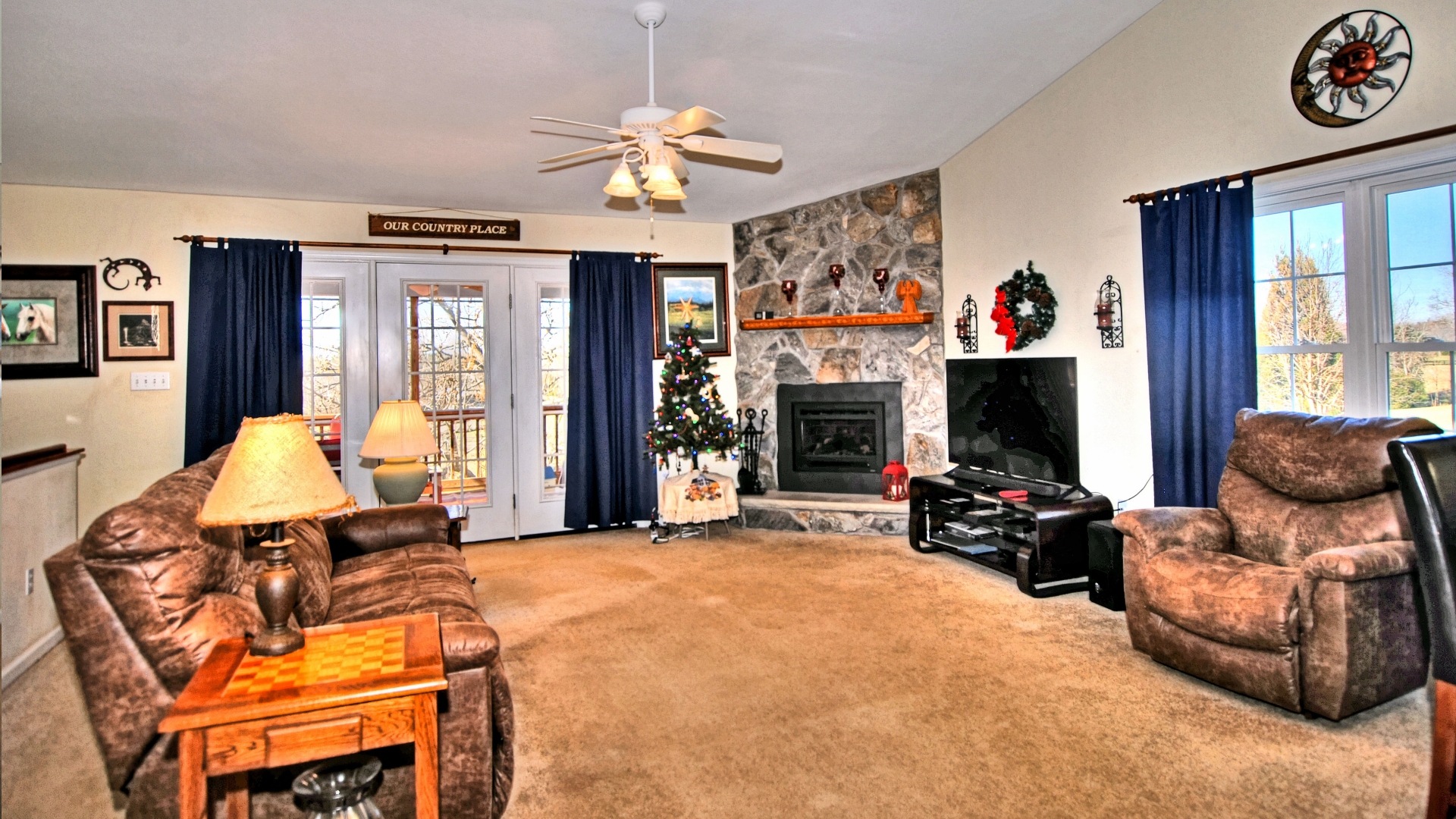
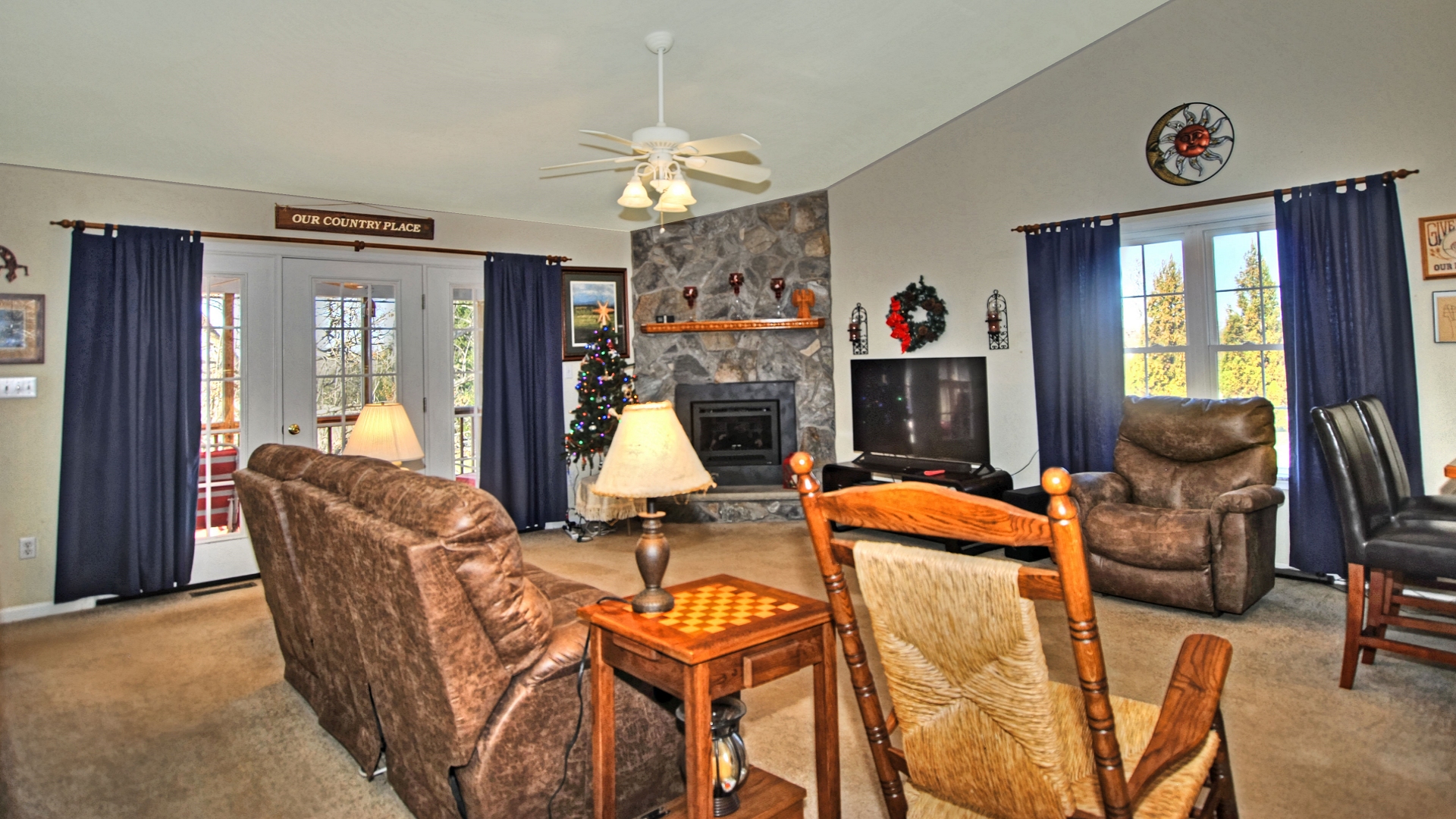
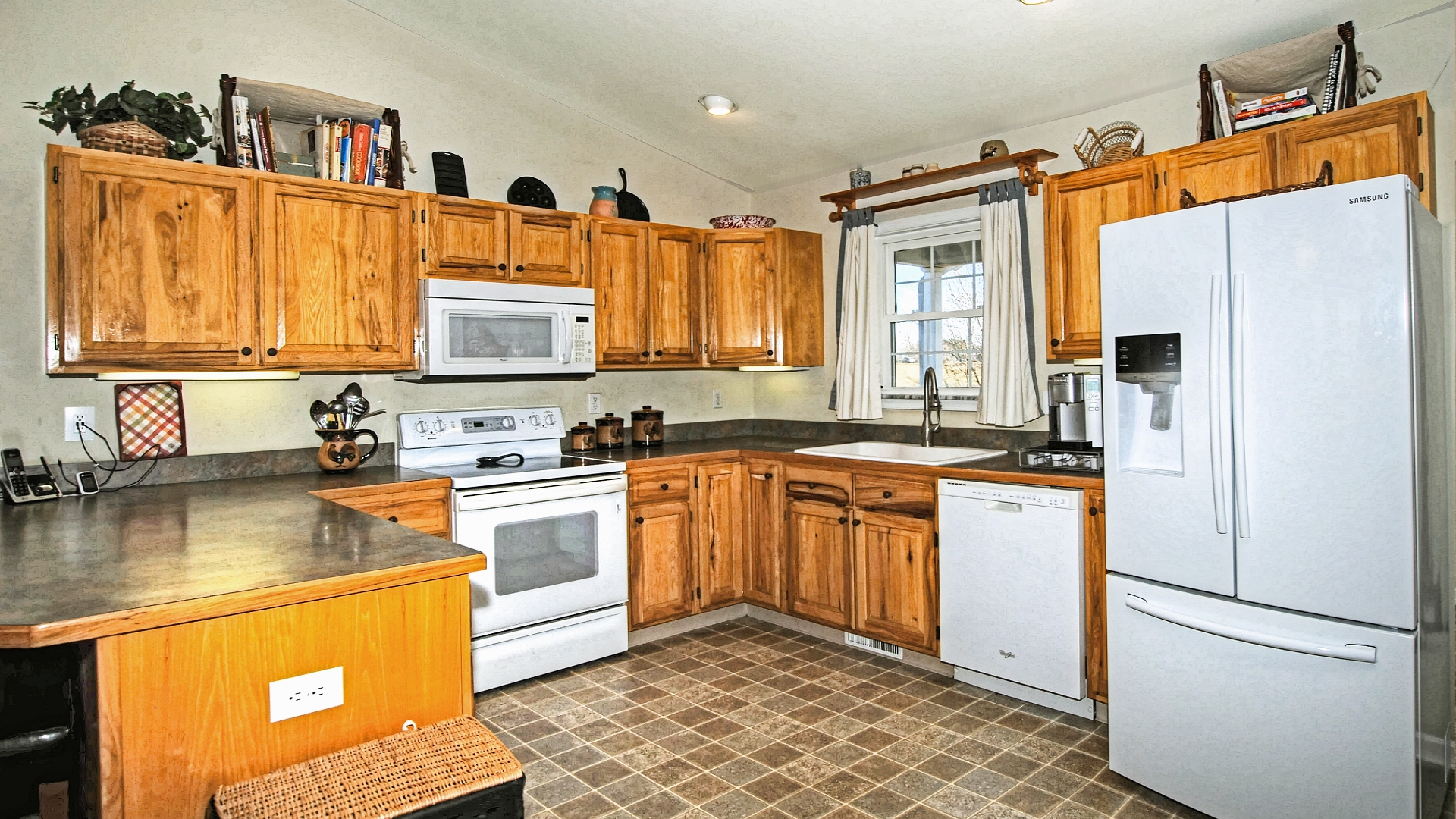
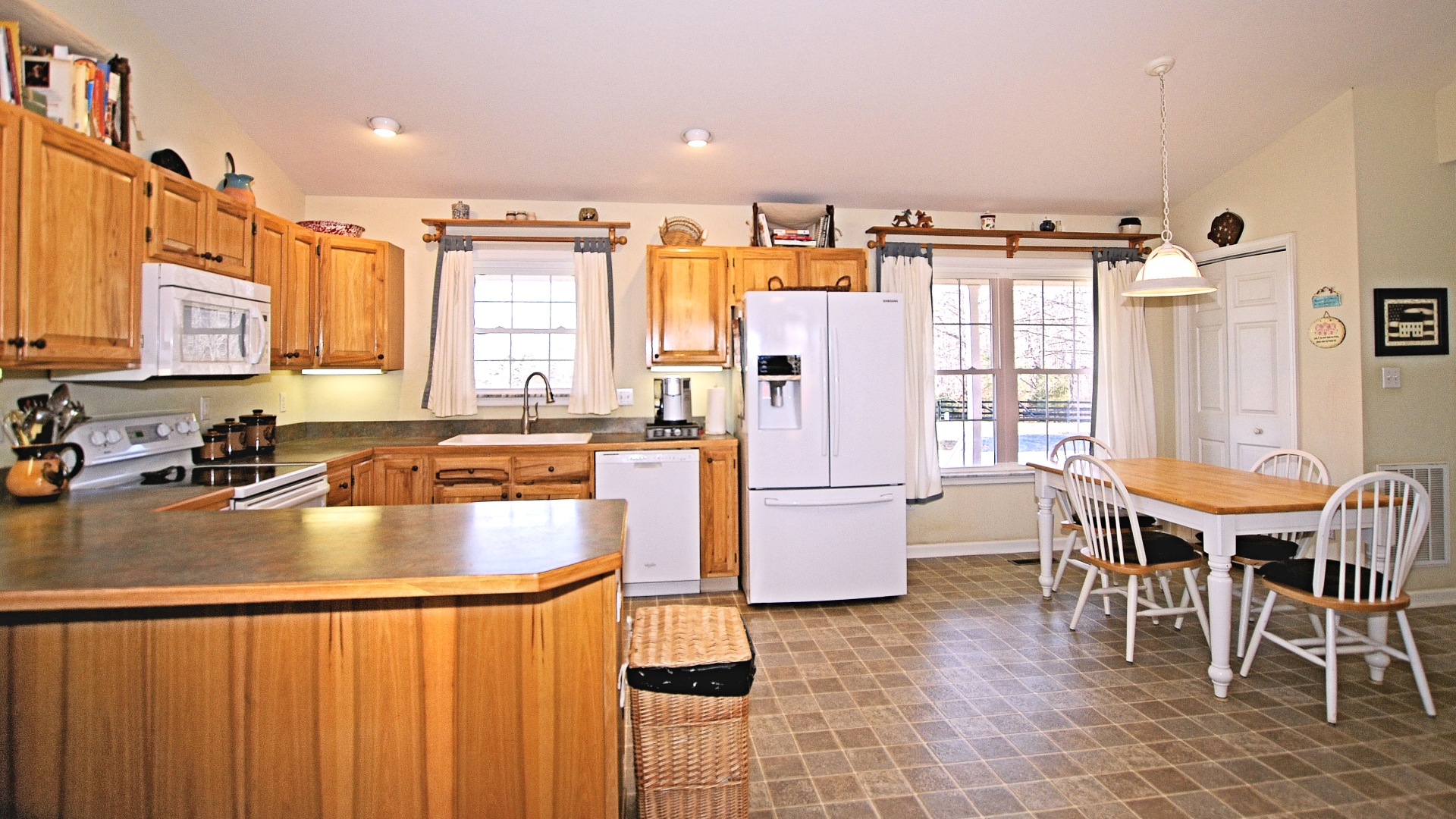
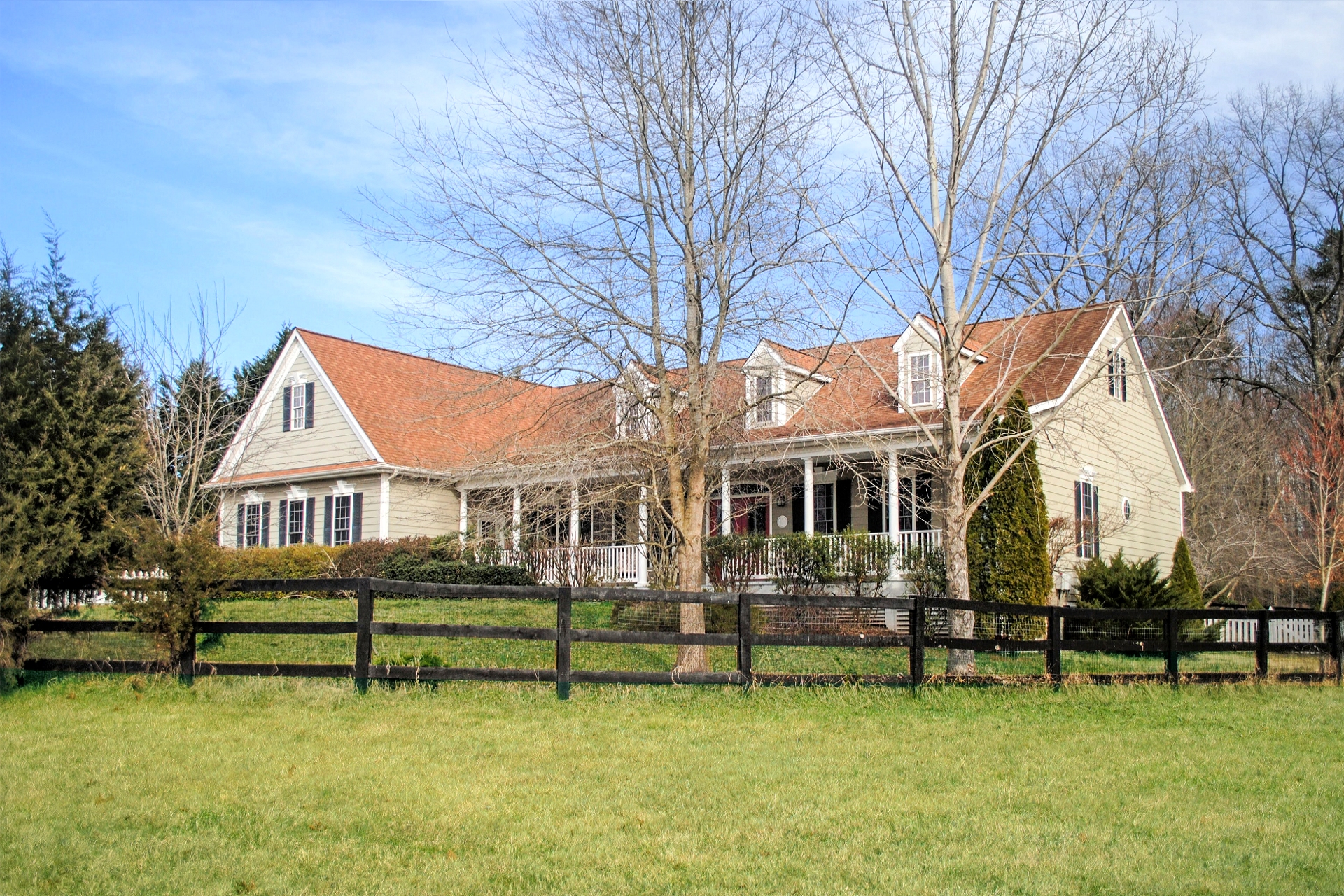
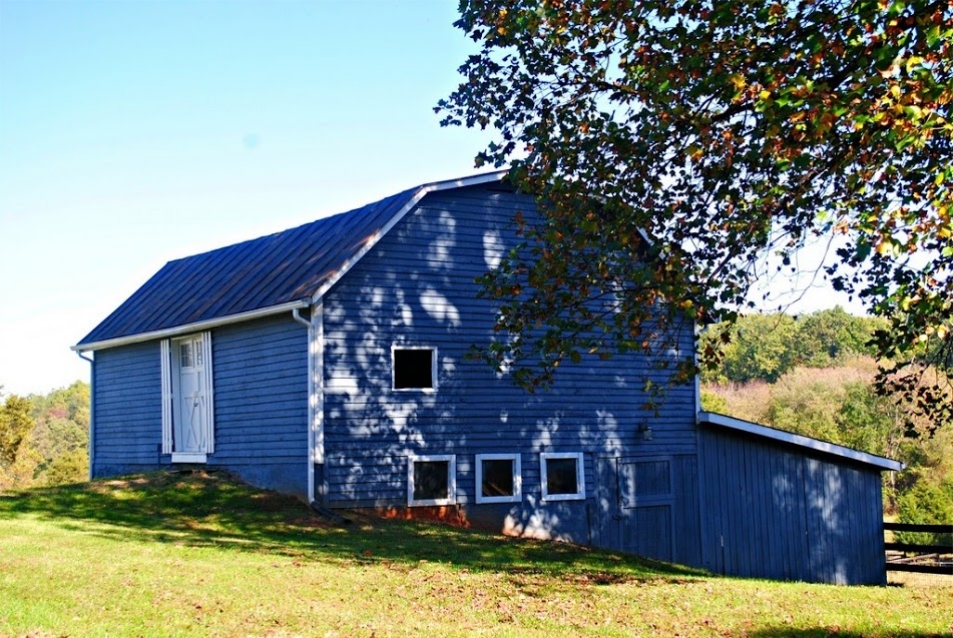
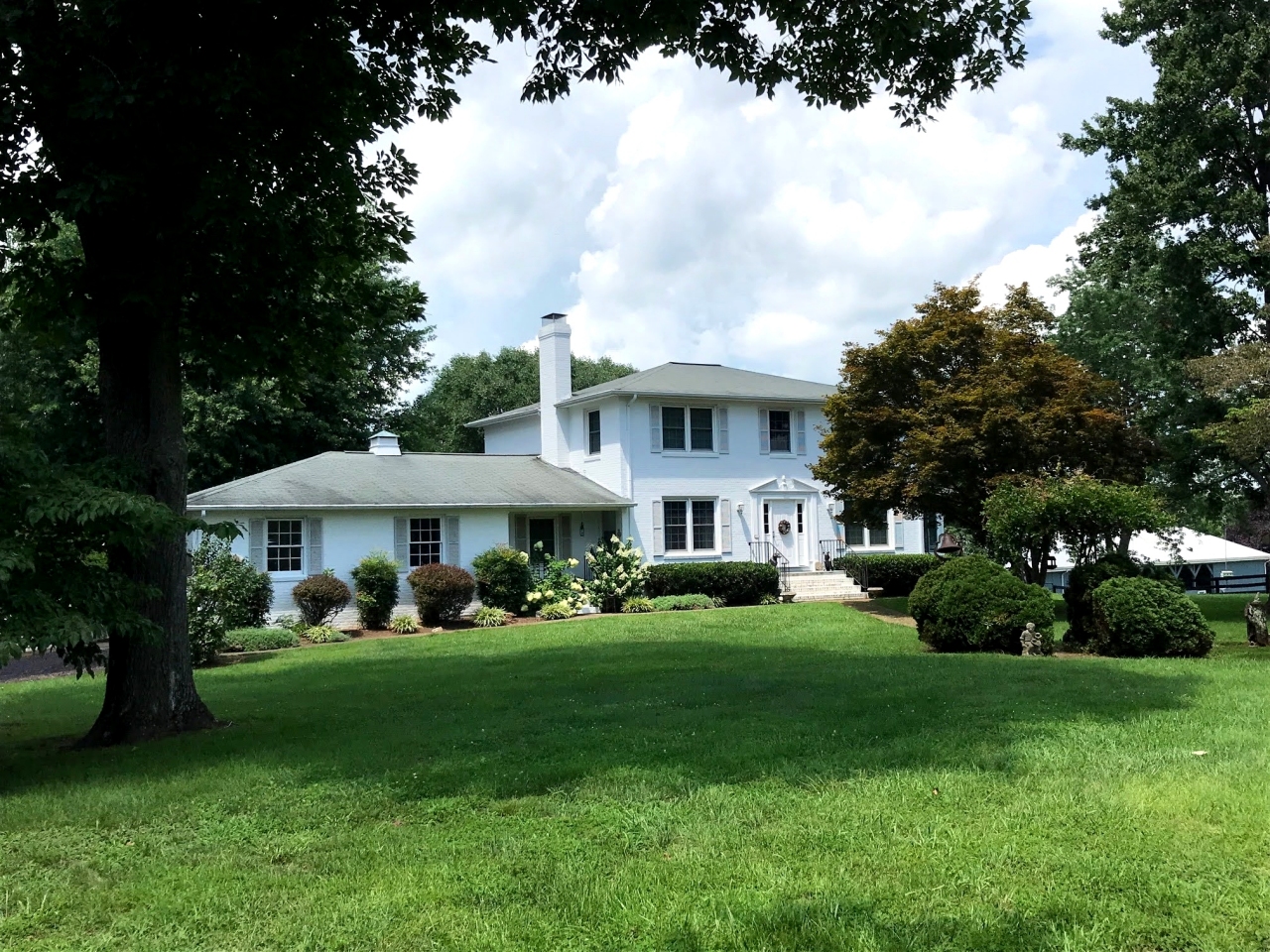
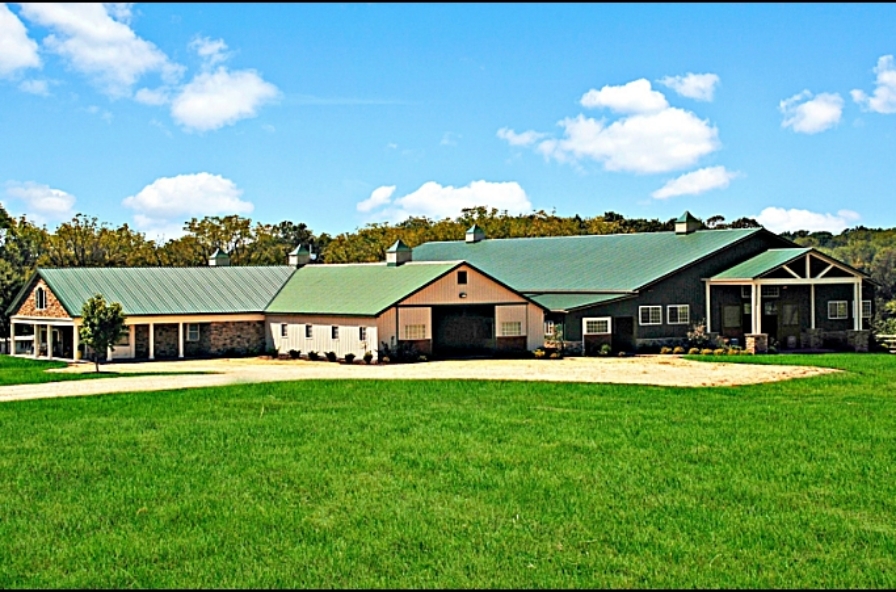
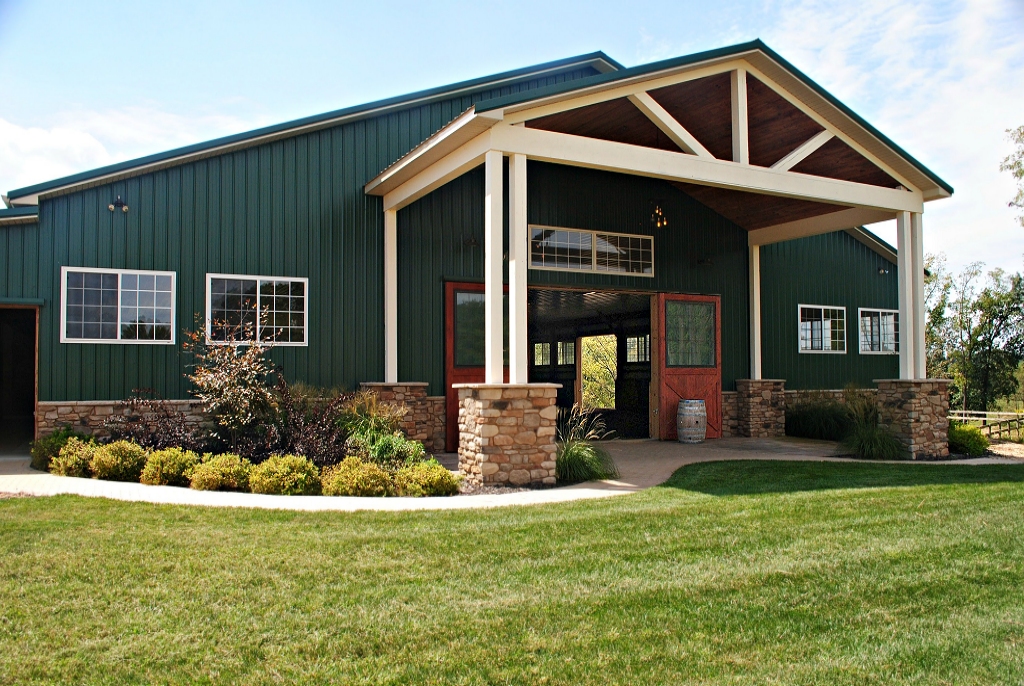
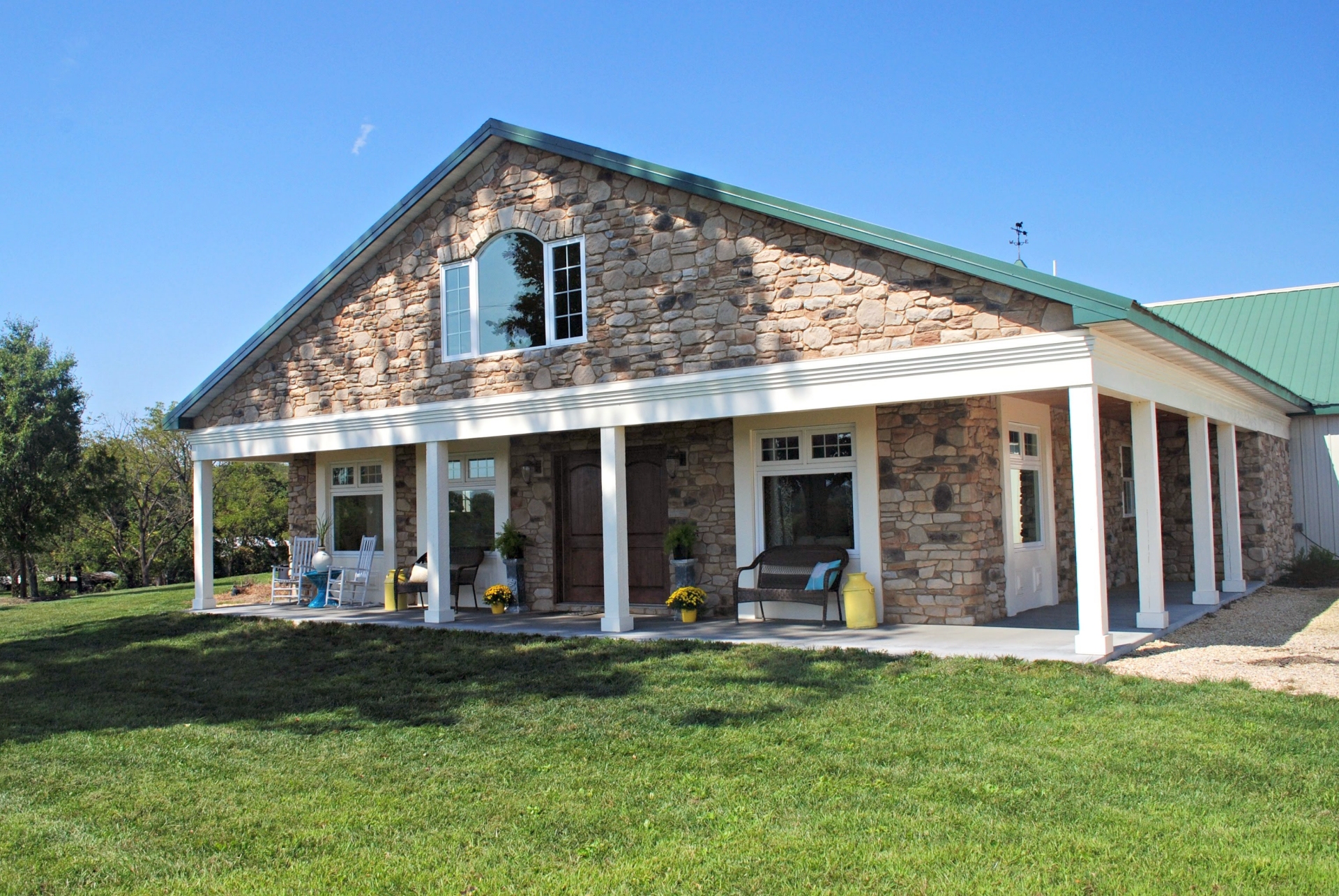
 Cedar Creek Farm Equestrian Estate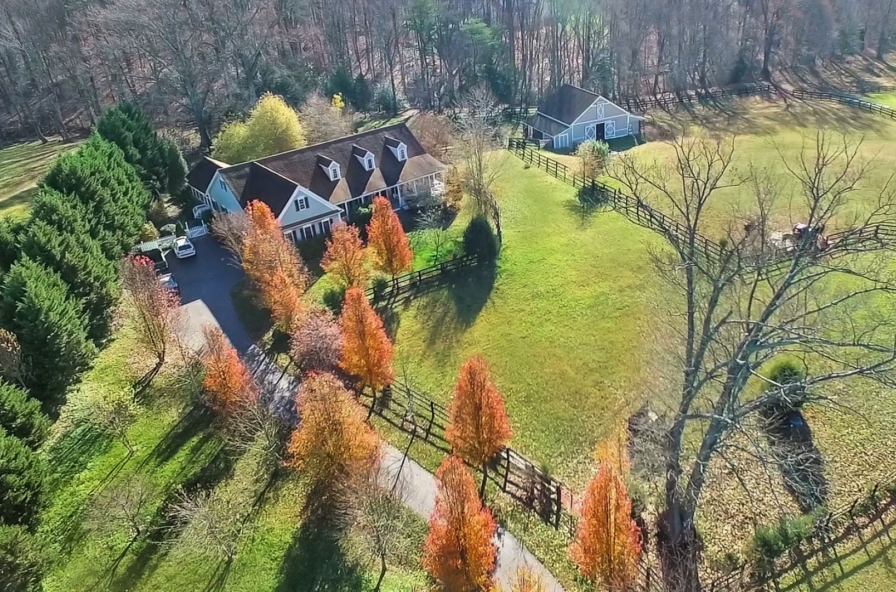
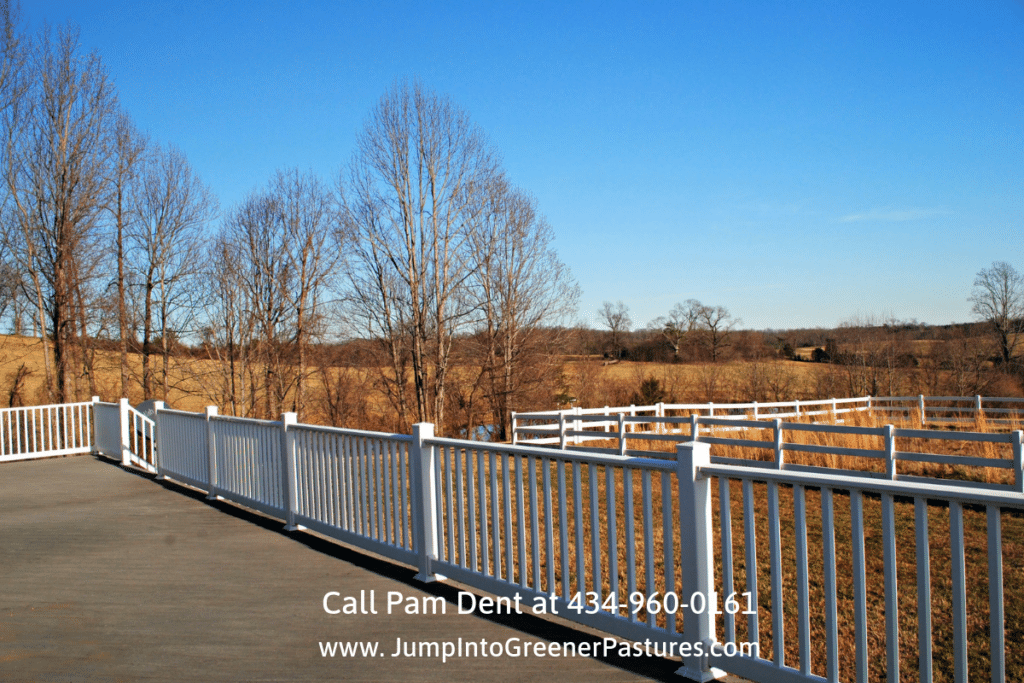
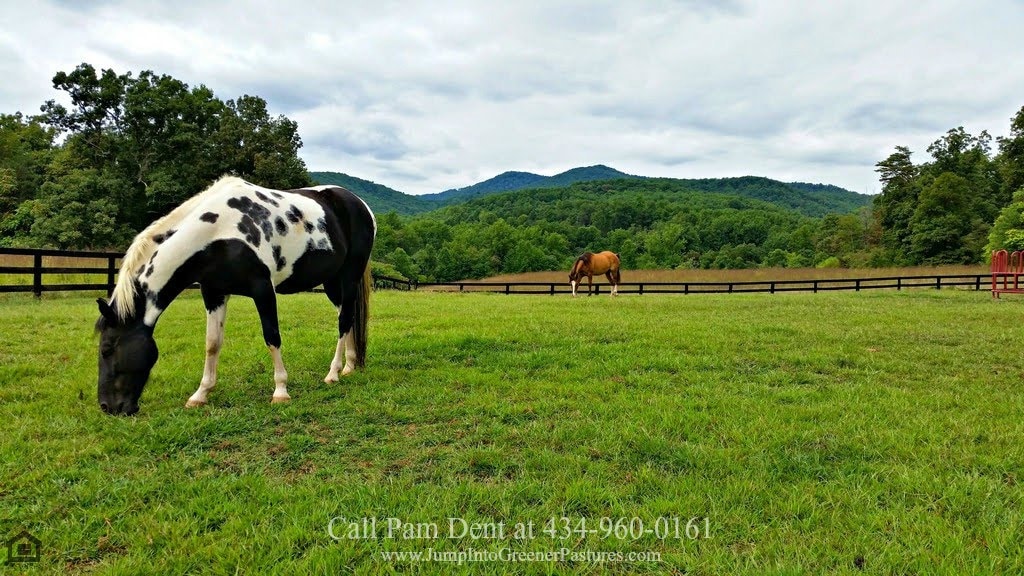 Soil quality can be easily overlooked as those looking for equine real estate draw up their wish list for a property. However, this factor can be important for a number of reasons. Some may want to have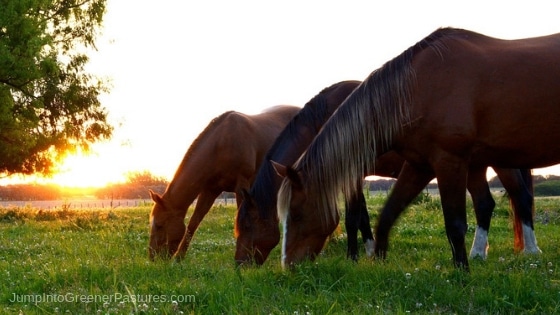

 Pam Dent