A prelisting inspection can provide an advantage to Sellers. The process of selling a home can come with unwelcome surprises, and a prelisting home inspection can eliminate one of the most common Seller stresses.
The buyer contracts for the home with a provision for a professional home inspection. Their inspection could unearth things that the buyer didn’t expect or even anticipate. If it doesn’t trigger an action to terminate the contract, the buyer will inevitably ask the seller to make all or most of the repairs.
When presented with the buyer’s request, the seller may take the opposite position of not wanting to do any of the repairs. The buyer then must accept the property in its “as is” condition or negotiate a reduced price or credit with the seller in lieu of the repairs.
Any experienced agent can tell you that sometimes a mutually agreed negotiation is reached and other times, an impasse is met that cannot be resolved. Then the buyer elects to terminate the contract, and the house has to go back on the market. But this time the property may be stigmatized in the eyes of buyers. Importantly, deficiencies may be uncovered that require a disclosure that has to be made to all parties looking at the home and that may deter future showings and offers.
Taking a pro-active approach, by obtaining a pre-listing inspection, sellers can find out about things that will probably show up in a buyer’s inspection. The sellers can get the deficiencies repaired before the home is shown and it will help the buyer feel more confident with the home. Another option would be to disclose them as not working and make a price adjustment. Either way, the seller is in control and is taking a position of transparency with potential buyers.
In some cases, the pre-listing inspection may show things in working order that the buyer’s inspection indicates as needing repair. No two inspectors will find everything or see everything the same way. However, home inspectors are required to be licensed by the state and inspect accordingly. With two disinterested parties having opposing professional opinions, there is the basis for negotiations which will have a more likely chance for a mutual agreement.
Disclosing things that are not in working order can reduce liability in the future. The pre-listing inspection by a professional, combined with the seller disclosing major deficiencies properly, can reduce potential liability.
For the small investment in the pre-listing inspection, the benefits to the seller are well worth the expense. You and potential buyers will have a better idea of the condition of your property and know what to expect. You can present the property in a transparent way that will build confidence with the buyer. You’ll avoid unpleasant surprises as well as possible delays. Pre-listing inspections can lead to faster sales and satisfaction for everyone involved.
If you want to know more details about what happens with a home inspection, CLICK HERE.
 There are many types of home and property inspections so we’ll deal with two of the main ones in our Charlottesville VA area which are (1) Residential Home/property Inspections and (2) Study Period Inspections (typically for large acreage farm or estate properties). If the buyer is purchasing a large estate or a farm with acreage, that’s when we recommend a Study Period for their inspections, and we’ll talk about that after we finish the standard Home Inspection section of this page.
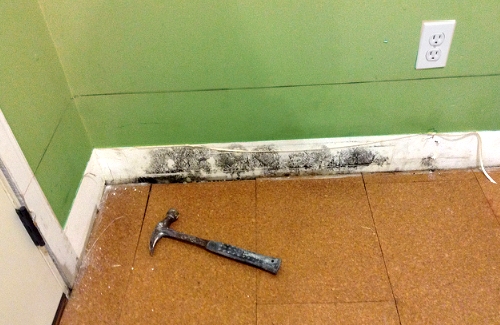 And then there’s the basement or crawl space. If the home has any space underground, the inspector will pay close attention to the basement or crawl space…. even if the basement is finished and furnished. Any sign of dampness or mold is a cause for notation. The possible points for drainage problems are also checked around the exterior of the home (even if there is no sign of dampness inside)…. and details such as the slope of adjacent ground or rainwater drainage will be noted. Drippy exterior faucets are inspected. If any water damage has affected the structural integrity of the exterior steps into the home, they may be suggested for repair. Even sidewalk cracks or irregularities can be noted.

 Both the residential Home Inspection and the Study Period are part of the buying process that we refer to as “due diligence”. Again, it’s important to remember that it’s up to the buyer of real estate in Virginia to verify any claims or statements made by the seller. Buyer beware. This is important. Not all states operate with this legal premise, and often our most experienced real estate purchasers are the ones who’re least able to wrap their minds around this part of our laws. In other states, a seller may not be able to even put his property on the market without providing a guaranteed clear title, but in Virginia a buyer needs to examine and verify all details of the property without relying on information provided by a seller. This period of inspection and verification is what we call “due diligence”. The buyer must perform (often, invest) in research to make sure that the property is able to be sold as it’s claimed, and this may benefit not only the purchaser’s current transaction but also his ability to market this property in the future after his purchase is complete.




 Pam Dent